

Every November the dry fruit stalls fill up, prices climb, and the same question comes up in most Pakistani homes: which dry fruits for winter are actually worth buying? Walnuts, almonds, pistachios, cashews and peanuts all show up on the list. They are different foods, though, and they don’t all deserve the same share of your budget.
This guide covers what each one brings, how much to eat, how to spot a bad batch, and how we think about it at Organio.
Short answer: For most families, walnuts and almonds are the best dry fruits for winter. Walnuts are one of the few nuts with plant omega-3 fats, and almonds are a good source of vitamin E and magnesium. Add pistachios or cashews for variety, keep portions to a small handful a day, and buy fresh, unrancid stock.
Why do people eat more dry fruits in winter?
Part of it is tradition. Pinni, panjiri, gajar ka halwa with badaam on top, a plate of chilgoza after dinner: these are winter habits across Punjab, Khyber Pakhtunkhwa and beyond. Many families call dry fruits “garam” foods. That is a cultural description, not a medical one, but the habit itself is sensible.
Nuts are energy dense. A small amount gives you calories, protein and fat, which suits cold days when people want something filling with their chai. The catch is that energy dense also means it is easy to overdo.
What is the real problem with buying dry fruits in winter?
The bigger risk is paying winter prices for stock that is old, stale or badly stored.
Nuts are high in unsaturated fat, and that fat can go rancid with heat, light and time. Rancid walnuts taste bitter and smell like old paint or cardboard. Loose market stock often sits in open sacks for months, and mixed “dry fruit” packs sometimes hide broken or dull pieces at the bottom.
The second problem is portion size. Because nuts are traditional and “good for you”, people eat them by the bowl while watching TV. A handful is a snack. A bowl is a meal’s worth of calories.
Why are walnuts a top pick among dry fruits for winter?
Walnuts stand out because they contain alpha-linolenic acid (ALA), a plant form of omega-3 fat. The US National Institutes of Health lists walnuts alongside flaxseed and chia seeds as food sources of omega-3s. Most other common nuts have very little of it.
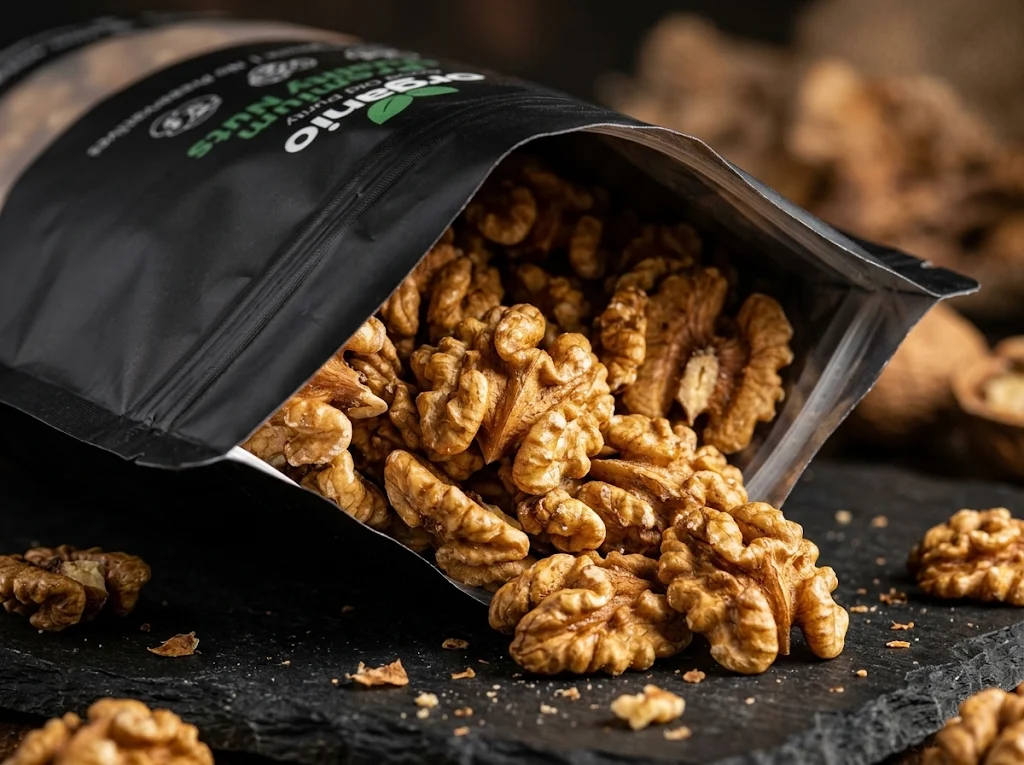
Walnuts also give you protein, fibre and polyunsaturated fat. They fit easily into winter food: chopped into oats, stirred into halwa, or eaten with a few dates.
The downside is that walnuts go rancid faster than almonds because of that same polyunsaturated fat. Buy smaller amounts more often, and keep them airtight in the fridge once opened. Our walnuts are sold shelled, so check the colour: light golden halves are fresh, while dark, oily-looking pieces are not.
What do almonds bring to the table?
Almonds are the everyday nut. According to the NIH, almonds are one of the better food sources of vitamin E, and they also appear on its list of foods that provide magnesium. They have protein and fibre too, and they keep longer than walnuts.
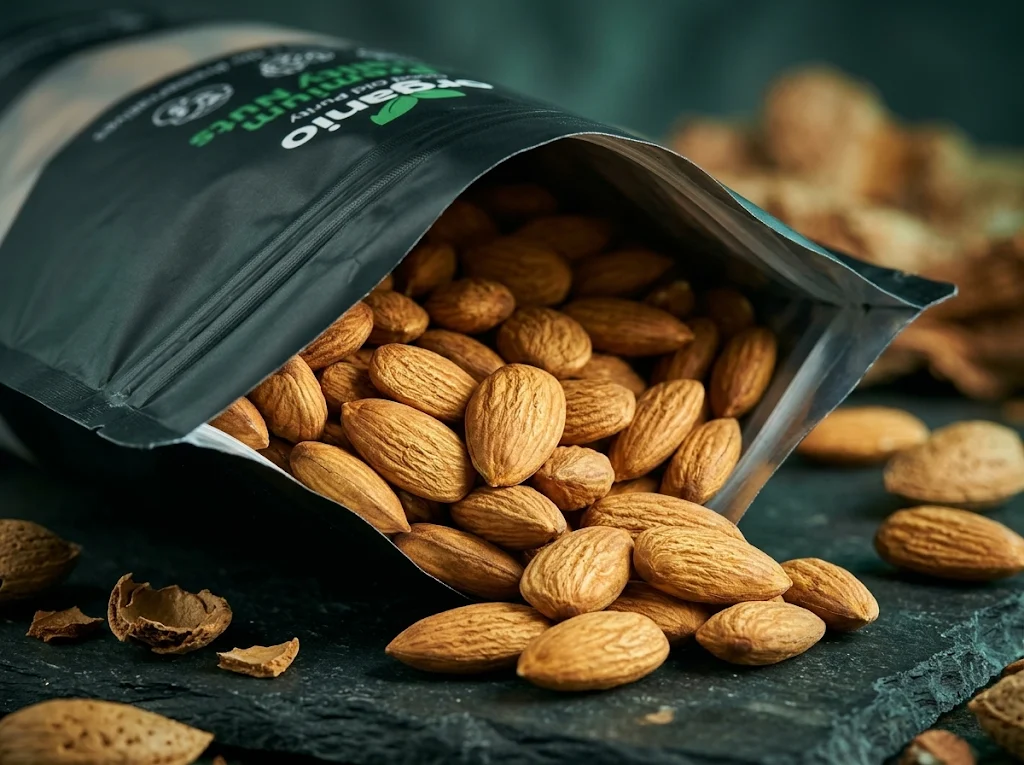
In Pakistan you will see several types: American almonds, Irani almonds, and local varieties such as Khaira Deeni and Abdul Wahidi. They differ in size, shape and taste more than in basic nutrition, so pick the one your family likes eating. Many people soak almonds overnight and peel them in the morning. That is a matter of taste and digestion comfort; both raw and soaked almonds are fine.
Are pistachios and cashews worth the price?
Yes, as part of the mix, though they don’t need to be the bulk of it.
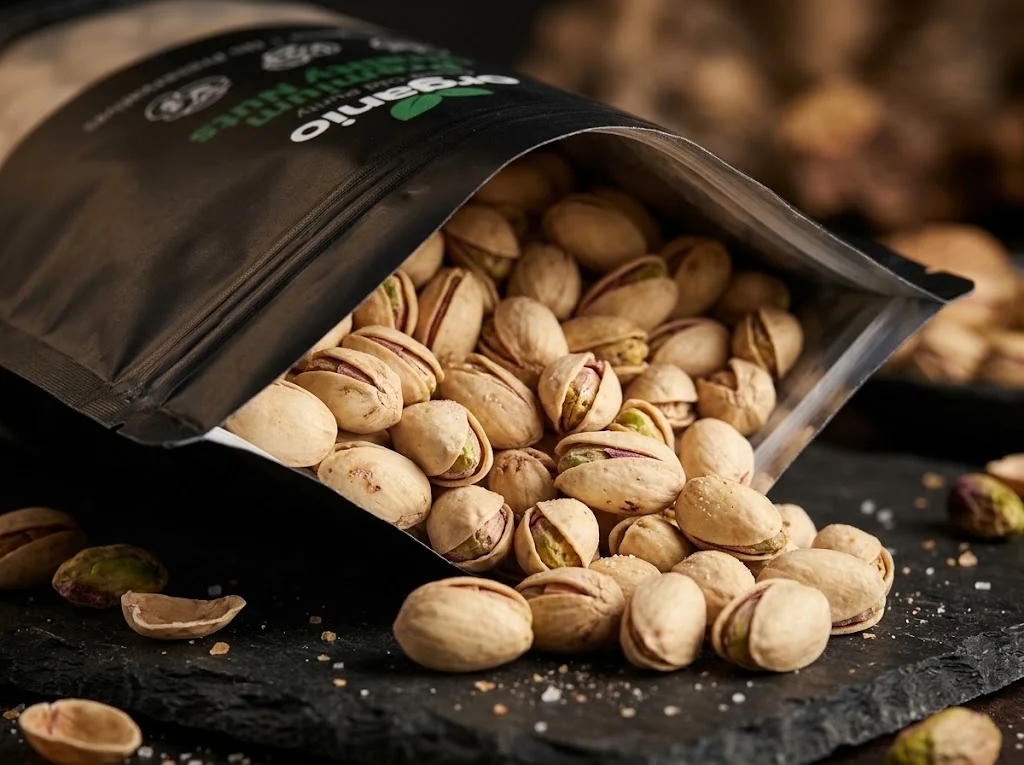
Pistachios have protein and fibre, and in-shell pistachios have a practical advantage: cracking each one slows you down, so a handful lasts longer. Cashews are softer and creamier, which makes them good for kids and for cooking. The NIH lists cashews among food sources of magnesium. Cashews come roasted or unroasted. Unroasted ones are better for gravies and desserts, while roasted ones are the snacking option.
Peanuts are the budget choice. They are technically a legume, but they eat like a nut, and peanut butter is listed by the NIH as a source of both vitamin E and magnesium. A bag of roasted peanuts on a cold evening is a winter tradition for good reason.
How much should you eat each day?
A small handful is a sensible daily amount for most adults. Nutrition labels commonly use a one-ounce serving, which is about 28 grams. That works out to roughly a fistful of almonds or a few walnut halves.
Spread it across the week instead of saving it all for weekend guests. Mix types too: some walnuts, some almonds, a few pistachios. You get a wider range of nutrients that way, and nobody gets bored. Children need smaller portions, and whole nuts are a choking risk for very young kids, so chop or grind them.
How can you add dry fruits to winter meals?
The easiest way to eat nuts regularly is to put them into food you already make.
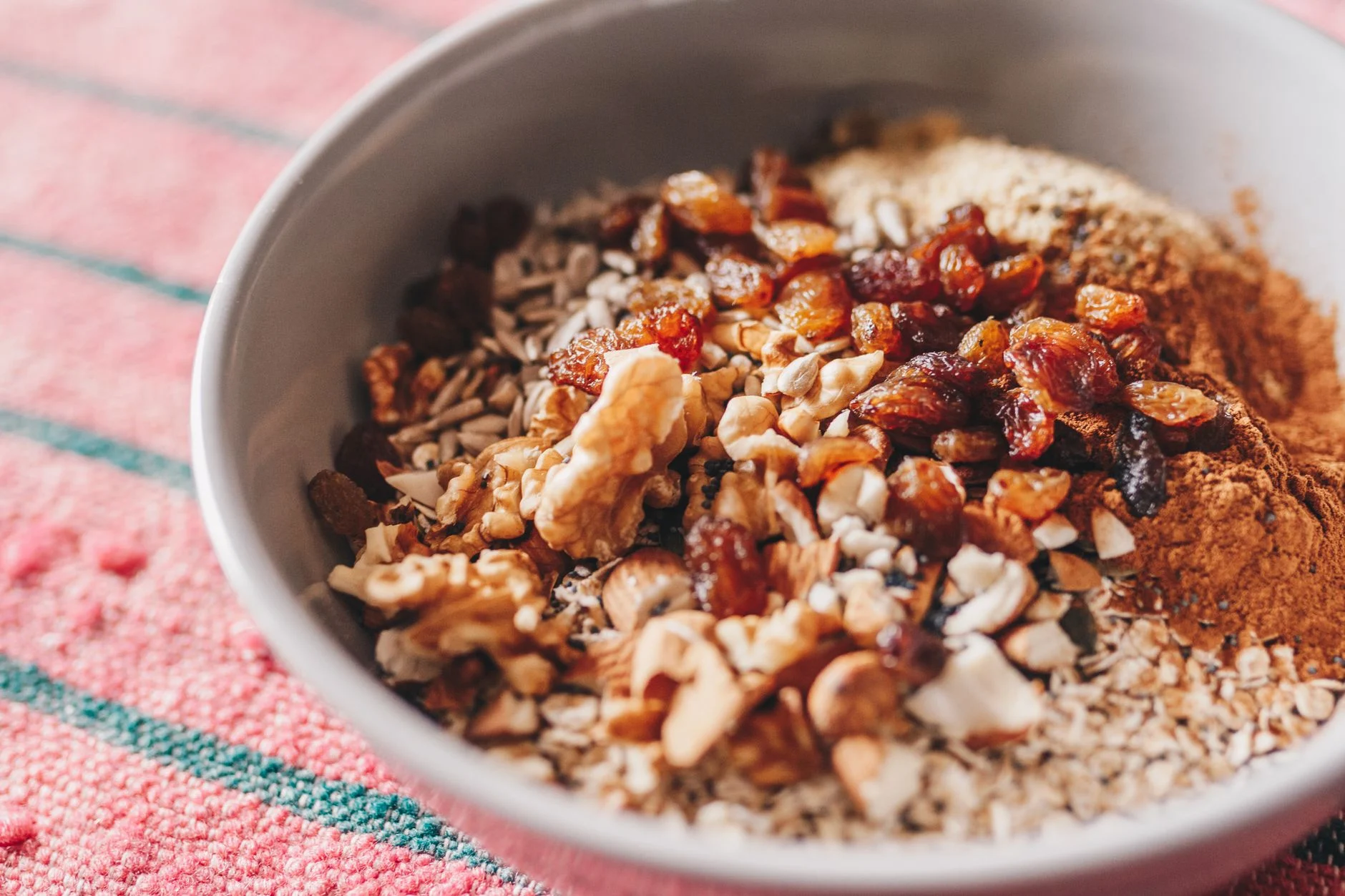
- Breakfast: chopped walnuts and almonds on oats or daliya, or a spoon of almond butter on toast.
- With chai: a small bowl of mixed nuts instead of biscuits or namak paray.
- Desserts: slivered almonds and pistachios on kheer, gajar ka halwa or sooji.
- Cooking: soaked cashews blended into a korma or white gravy.
- Kids’ lunchboxes: peanut or almond butter sandwiches.
Organio’s nut butters are worth a mention here. They provide protein and unsaturated fats, they spread easily, and they are often the easiest way to get nuts into a picky eater. Check the label: the best ones are just ground nuts, maybe with a little salt.
How do you keep dry fruits fresh all winter?
Buy what you will finish in a few weeks, not a whole season’s stock at once. Store nuts in airtight glass or steel jars, away from the stove and sunlight. For walnuts and pine nuts, the fridge is better than the cupboard.
Before using any batch, smell it. Fresh nuts smell mild and nutty. A sharp, bitter or paint-like smell means the fat has turned, and those nuts should go in the bin. For more detail, read our guide to storing nuts and dry fruits.
How does Organio choose what to sell?
We started Organio with mangoes, selling carbide-free, naturally ripened fruit because we were tired of fruit that looked ripe and tasted of nothing. The same thinking carries into the off-season. We would rather sell a smaller range of nuts we are happy to eat ourselves than fill the shop with every dry fruit in the market.
Our view is simple. Spend most of your winter budget on walnuts and almonds, add pistachios and cashews for variety, and use nut butters to make the habit easy. Buy in amounts you can finish while the stock is fresh. You can browse our premium nuts and dry fruits or the bundles if you want a mix in one order.
Frequently asked questions
Which dry fruit is best to eat in winter?
There is no single best one. Walnuts are a strong pick because they contain plant omega-3 fats, and almonds are a good source of vitamin E and magnesium. A mix of the two, with some pistachios or cashews, covers most needs.
Should almonds be soaked before eating?
It is a personal choice. Some people find soaked, peeled almonds easier to chew and digest. Raw almonds keep their skin, which has some fibre. Both are fine to eat.
How many walnuts can I eat in a day?
A small handful of mixed nuts per day is a sensible amount for most adults. If walnuts are your only nut that day, a few halves is plenty. Anyone on a specific diet plan should follow their doctor’s or dietitian’s advice.
How can I tell if dry fruits have gone bad?
Smell and taste them. Rancid nuts smell sharp, bitter or like old paint, and taste bitter. Also look for mould, dark oily patches, or tiny holes that suggest insects. Throw out any batch that shows these signs.