

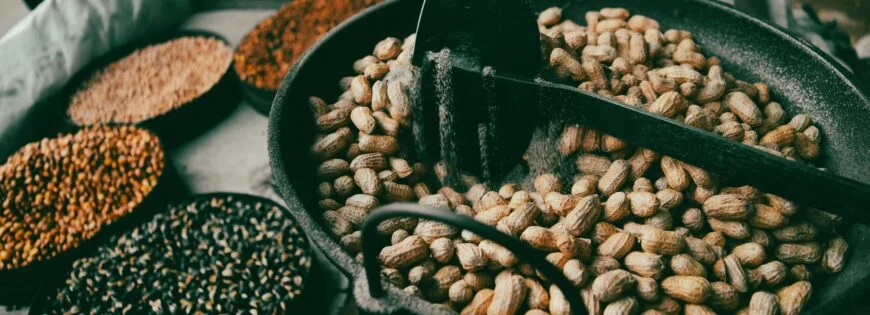
Winter is when most Pakistani homes stock up on badaam, akhrot, pista and kaju. A big bag looks like a good deal in November. By January, half of it can taste bitter, smell a little off, or feel soft and chewy. That is not bad luck. Nuts are full of natural oils, and those oils go stale when they meet heat, air, light and moisture.
This guide explains why nuts spoil, how to store each kind so it stays fresh, and how to tell when a batch has gone too far.
What is the best way to store nuts and dry fruits?
Short answer: keep nuts in an airtight glass jar or zip bag, away from heat, sunlight and the stove. For anything you will not finish in a few weeks, move it to the fridge. For a bulk winter supply, freeze it in small portions. Walnuts, for example, keep about three months in the fridge and up to a year in the freezer.
Why do nuts go bad so quickly at home?
Nuts are mostly fat, and most of that fat is unsaturated. Michigan State University Extension notes that walnuts carry about 18 grams of oil per ounce, mostly polyunsaturated fat. Those same fats are why nutrition guides recommend nuts, and they are also what makes nuts fragile. When the oils react with oxygen, they break down into compounds that taste bitter and smell like old paint. That process is called rancidity.
Four things speed it up:
- Heat. A kitchen shelf next to the chulha or a cupboard above the fridge motor stays warmer than you think.
- Air. Every time a loosely tied plastic bag is opened, fresh oxygen gets in.
- Light. Clear jars on a sunny counter look nice and age the nuts faster.
- Moisture. Damp hands, wet spoons and humid storerooms invite mould and soften the crunch.
Most home storage problems come from one habit: keeping the whole winter supply in the bag it came in, on an open shelf, and dipping into it every day.
How should you store each type of nut?
The basic rules are the same for every nut. Some need more care than others, though, and walnuts are the most delicate.
Walnuts (akhrot)
Walnuts contain omega-3 fatty acids, and their high share of polyunsaturated fat makes them the quickest to turn. MSU Extension advises an airtight container in a cool, dry place, with the fridge as the better choice: up to three months there, or up to a year in the freezer. Walnuts also soak up smells, so keep them away from onions, garlic and masalas. If you buy premium walnuts for the whole season, split them into small jars and freeze most of them.
Almonds (badaam)
Almonds are a good source of vitamin E and magnesium, and they hold up better than walnuts at room temperature. A sealed jar in a cool cupboard works for a few weeks. For longer, use the fridge. Whole almonds keep better than sliced or crushed ones, because cutting exposes more surface to air. Chop them only when you are about to use them.
Pistachios and cashews (pista and kaju)
Both do well in airtight jars at room temperature for short spells. Roasted and salted kinds usually lose their crunch faster once opened, so close the lid firmly every time. The University of California, Davis postharvest team gives a simple rule for all nuts: if you will not use them within a few weeks of buying, store them sealed in the fridge or the freezer.
Nuts in the shell
The shell works as natural packaging, so in-shell walnuts and pistachios last longer than shelled ones under the same conditions. If you have space, buy in-shell for long storage and shell small amounts as you go.
Should you keep nuts in the fridge or freezer?
For a family that buys a few kilos at the start of winter, yes. Cold slows the reactions that cause rancidity. Here is a routine that works in most homes:
- Divide the supply into portions that last about one or two weeks.
- Keep one portion in a jar in the kitchen for daily use.
- Put the next two or three portions in the fridge.
- Freeze the rest in thick zip bags with the air pressed out, or in airtight boxes.
- Label each bag with the date you bought it.
When you take nuts out of the freezer, let the closed container reach room temperature before opening it. That stops water droplets from forming on cold nuts, which would make them soft. Frozen nuts do not need thawing for most uses. You can toss them straight into a pan, a blender or a bowl of oats.
Pakistani winters help a little in the north, but power cuts and heaters indoors mean room temperature still varies a lot. The fridge is more reliable.
How do you store nut butters and cold-pressed oils?
Nut butters and cold-pressed oils are made from the same fats, so the same rules apply: cool, dark and sealed.
- Nut butters. Natural nut butters made without stabilisers often separate, with a layer of oil on top. That is normal. Stir it back in, keep the lid tight, and always use a clean, dry spoon. Once opened, the fridge keeps the taste fresh for longer, though the butter will get thicker. Follow the storage note on the jar. You can browse Organio’s organic nut butters to see the range.
- Cold-pressed oils. Keep almond, olive and coconut oil in a dark cupboard, away from the stove. Close the cap after every use. Coconut oil turns solid in cold weather, which does not harm it. Warm the bottle in your hands or in a bowl of warm water.
How can you tell if nuts have gone rancid?
Trust your nose first. Fresh nuts smell mild and slightly sweet. Rancid nuts smell sharp or stale, and MSU Extension compares the smell of rancid walnuts to paint thinner. Other signs:
- A bitter or soapy aftertaste
- A soft, rubbery or shrivelled texture
- Dark spots, fuzz or any visible mould
- Tiny holes or webbing, which point to pantry insects
Throw away nuts that smell off or show mould. Roasting or adding them to halwa will not fix the taste. Mouldy nuts should always be discarded.
What should you look for when buying nuts in bulk?
Good storage starts with a fresh batch. A few checks help before you buy:
- Smell the nuts if you can. Freshness is easy to sense.
- Look for even colour and whole kernels, with little dust or broken pieces at the bottom of the bag.
- Buy from a seller who restocks often, so the stock has not sat in a hot warehouse all summer.
- Only buy as much as you can store properly. A bag you cannot fit in the fridge or freezer is not a saving.
Organio’s perspective: buy fresh, store smart, eat often
We sell nuts, nut butters and cold-pressed oils, and the question we hear most in winter is how long they will last. Our honest answer is that storage at home matters as much as quality at the source. A good walnut left in a warm kitchen will still go stale.
That is why we suggest buying in amounts that match how your family eats, then splitting and chilling the rest the day it arrives. Keep a small jar close by so the nuts get eaten as a snack instead of saved for guests. Fresh nuts simply taste better, and you waste less.
If you are planning your winter stock, take a look at our premium nuts and dry fruits. And when mango season comes back, you can read how we approach fruit in our guide to carbide-free vs chemically ripened mangoes.
Frequently asked questions
How long do walnuts last in the fridge?
According to Michigan State University Extension, walnuts in an airtight container stay fresh for up to three months in the fridge and up to a year in the freezer.
Can I freeze almonds and cashews?
Yes. Freeze them in airtight bags or boxes with as little air as possible. Let the container reach room temperature before opening it, so moisture does not settle on the nuts.
Is oil on top of my nut butter a sign it has gone bad?
No. Natural nut butters often separate. Stir the oil back in. Signs of spoilage are a sour or paint-like smell, a bitter taste or any mould.
Is it safe to eat slightly rancid nuts?
Rancid nuts taste unpleasant and have lost quality, so it is best to throw them away. Always discard nuts with visible mould.
Should I keep nuts in plastic or glass?
Either works if it seals tightly. Glass jars do not hold smells and are easy to clean. Thick zip bags are better in the freezer because you can press the air out.

1 Comment
Best Dry Fruits for Winter in Pakistan | Organio
[…] Before using any batch, smell it. Fresh nuts smell mild and nutty. A sharp, bitter or paint-like smell means the fat has turned, and those nuts should go in the bin. For more detail, read our guide to storing nuts and dry fruits. […]