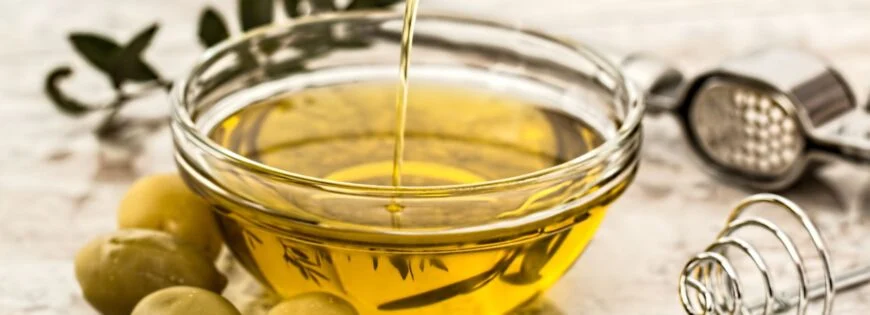
Cold pressed oil and refined oil often sit side by side on a shop shelf, often in similar clear bottles. They differ in how the oil was taken out of the seed, nut or fruit, and in what happened to it afterwards.
Cold pressed oil is extracted by mechanical pressing without applying heat, then cleaned only by simple methods such as settling or filtering. Refined oil goes through further processing, usually including neutralising, bleaching and deodorising, which gives a paler, milder oil that copes better with high cooking heat but keeps fewer natural plant compounds.
Why is choosing between the two so confusing?
Labels use many attractive words. “Pure”, “natural”, “light” and “premium” sound reassuring, yet none of them tells you how the oil was processed.
Price adds to the puzzle too. A small bottle of pressed oil can cost far more than a large bottle of everyday cooking oil, and it is fair to ask what the extra money buys. In the kitchen, a salad dressing and a deep pan of pakoras ask very different things of an oil.
Picking well gets easier once you know how each one is made.
How is cold pressed oil made?
The raw ingredient is cleaned and then crushed or pressed so the oil flows out. The Codex Alimentarius definition describes cold pressed fats and oils as obtained by mechanical procedures without the application of heat, without altering the oil. Purification is limited to washing with water, settling, filtering and centrifuging.
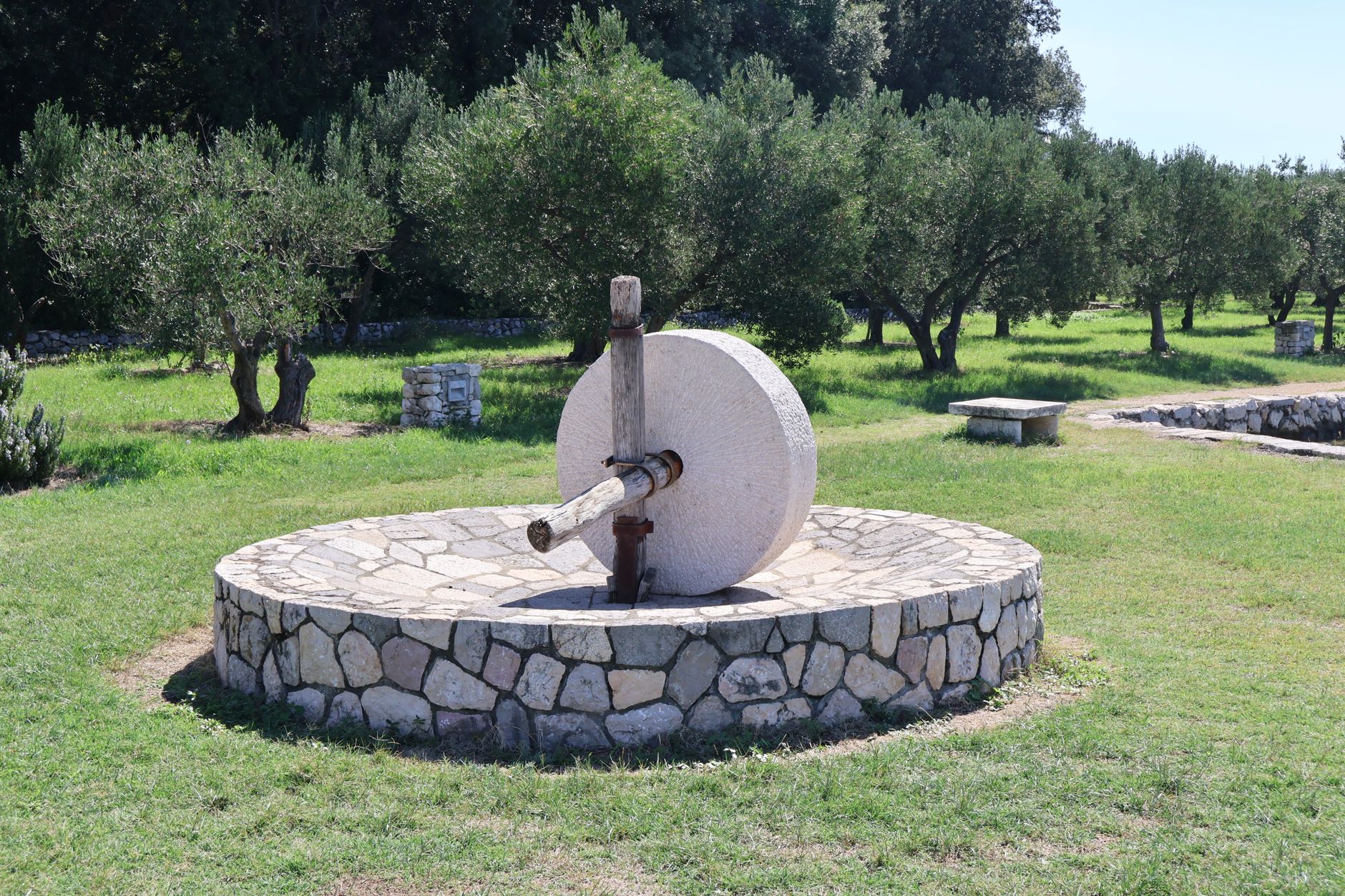
“Virgin” is a related but slightly different term. Under the same text, virgin oils are also obtained mechanically, but heat may be used. Rules and enforcement vary between countries and types of oil, so one word on a label won’t tell you everything.
Because so little is done to it, the oil usually keeps the colour, smell and taste of its source. Olive oil can be grassy or peppery, coconut oil smells of coconut, and almond oil has a soft nutty note.
What happens to oil during refining?
Refined oil may first be extracted with pressure, heat or a solvent. The crude oil then passes through several steps:
- Degumming removes gum-like substances.
- Neutralising reduces free fatty acids, usually with an alkali.
- Bleaching uses an adsorbent clay to take out colour and some other compounds.
- Deodorising uses high heat and steam to strip out strong smells and flavours.
Refining is useful. It produces a consistent, neutral oil, lowers certain impurities and signs of oxidation, and often helps the oil last longer on the shelf.
It also removes some things you might want to keep. A laboratory study of rapeseed oils found that neutralising took out roughly 48 to 61 percent of total phenols, which are natural plant compounds. Deodorising caused the largest loss of tocopherols, the vitamin E family, at about 33 to 42 percent in that step. Figures will differ for other oils and methods.
Is there a nutrition difference between them?
In calories and total fat, very little. Oil is almost entirely fat whichever way it is made. One tablespoon of olive oil has about 119 calories and 13.5 grams of fat, most of it monounsaturated.
The type of fat depends mainly on the plant. Olive oil is rich in monounsaturated fat, while coconut oil is mostly saturated fat. Pressing does not change that basic character.
They differ more in their minor compounds. Less processed oils tend to retain more aroma compounds, polyphenols and natural antioxidants. The evidence is strongest for extra virgin olive oil and thinner for many other oils, as Today’s Dietitian notes. Vitamin E, a fat-soluble nutrient that acts as an antioxidant, is found in many vegetable oils.
Which oil should you use for cooking?
Match the oil to the heat. Every oil has a smoke point, the temperature at which it begins to smoke and its flavour turns harsh. As a general rule, the more refined an oil is, the higher its smoke point, although the type of oil matters too.
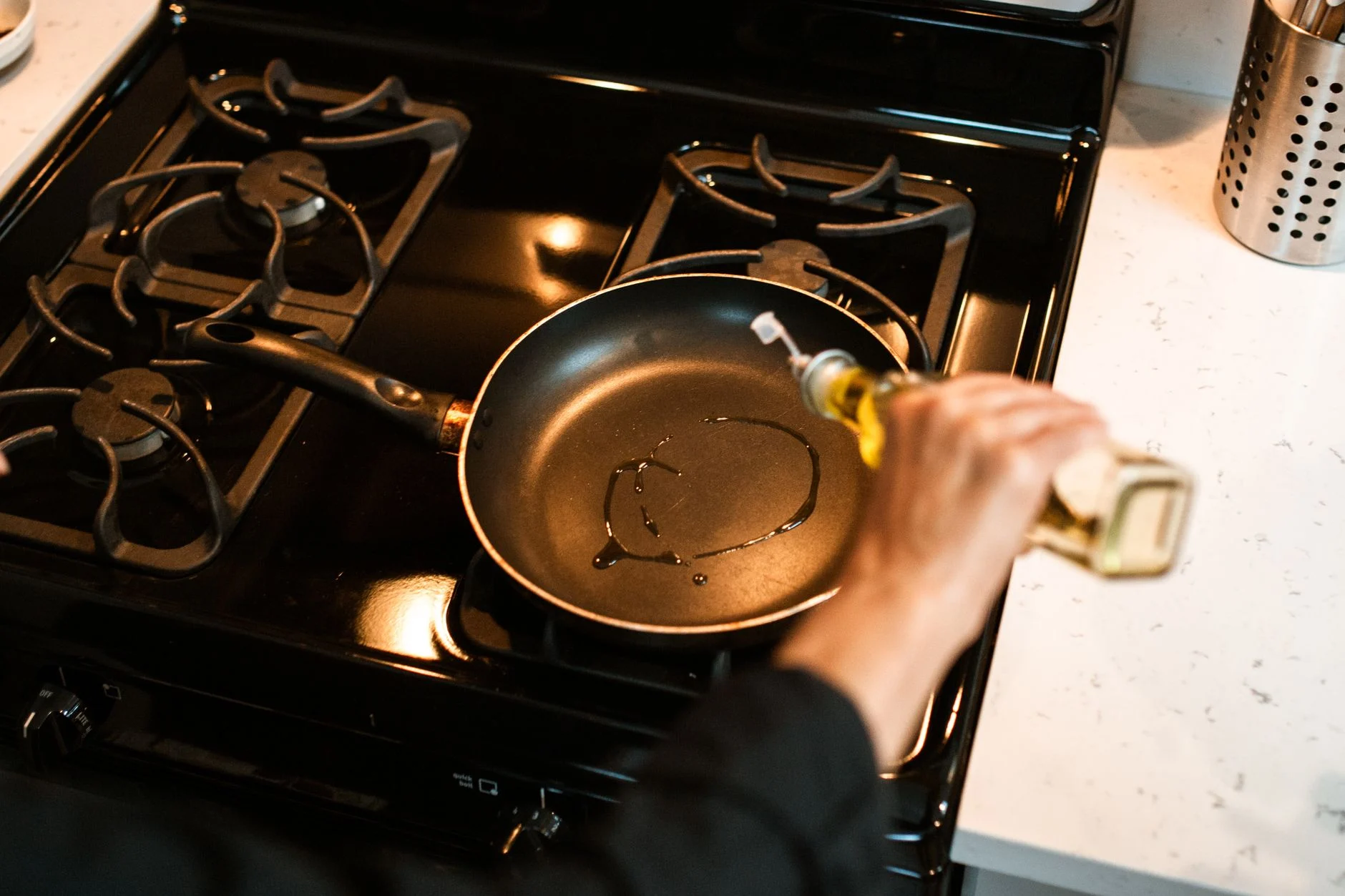
- No heat: salads, raita, chutneys, dips and a finishing drizzle over daal or hummus are where a pressed oil’s flavour shows best.
- Low to medium heat: eggs, gentle sautéing, soups and some baking work well with many cold pressed oils.
- High heat: long deep-frying is usually better suited to an oil made and labelled for high temperatures.
Extra virgin olive oil handles ordinary home sautéing comfortably, so you don’t need to save it for salads. Whatever you use, don’t let it smoke, and avoid heating the same oil again and again.
If you are deciding between two popular pantry choices, our guide to olive oil vs coconut oil compares their taste and kitchen uses.
How can you shop for cold pressed oil wisely?
You can’t confirm a pressing method just by looking at a bottle, but a few checks will help you buy with more confidence.
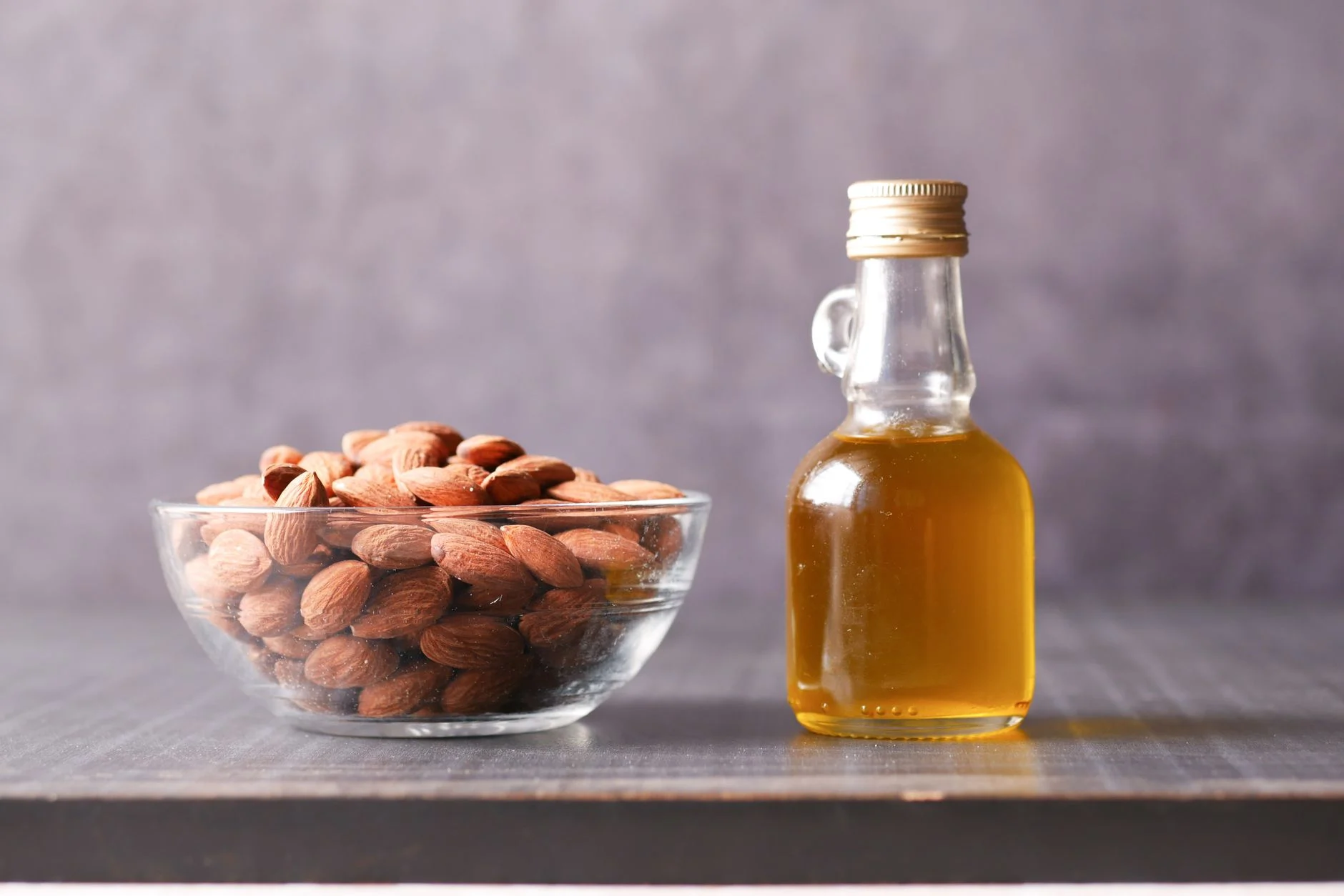
- Read the exact wording. Look for “cold pressed” or “extra virgin” stated clearly. Vague words such as “pure” say little about processing.
- Check the ingredient list. It should name the oil you think you are buying, with no blend hiding behind the front label.
- Look at dates and packaging. A recent packing date and a tightly sealed bottle matter. Dark glass helps shield oil from light.
- Smell and taste it. It should be recognisably like its source. A stale, waxy or paint-like smell suggests it has gone rancid.
- Ask the seller. A good seller should also be able to tell you how the oil was pressed and when it was packed.
Home tests such as chilling a bottle in the fridge are shared widely. Different oils thicken at different temperatures, so this cannot prove that an oil was cold pressed.
Once opened, keep the cap closed and store the bottle in a cool, dark cupboard away from the stove. Buy a size you will finish while it still smells fresh.
What is Organio’s view?
At Organio, we think most kitchens have room for both kinds. A neutral refined oil can be practical for occasional high-heat frying. We reach for cold pressed oil when we want to taste it, or when we’d like less processing.
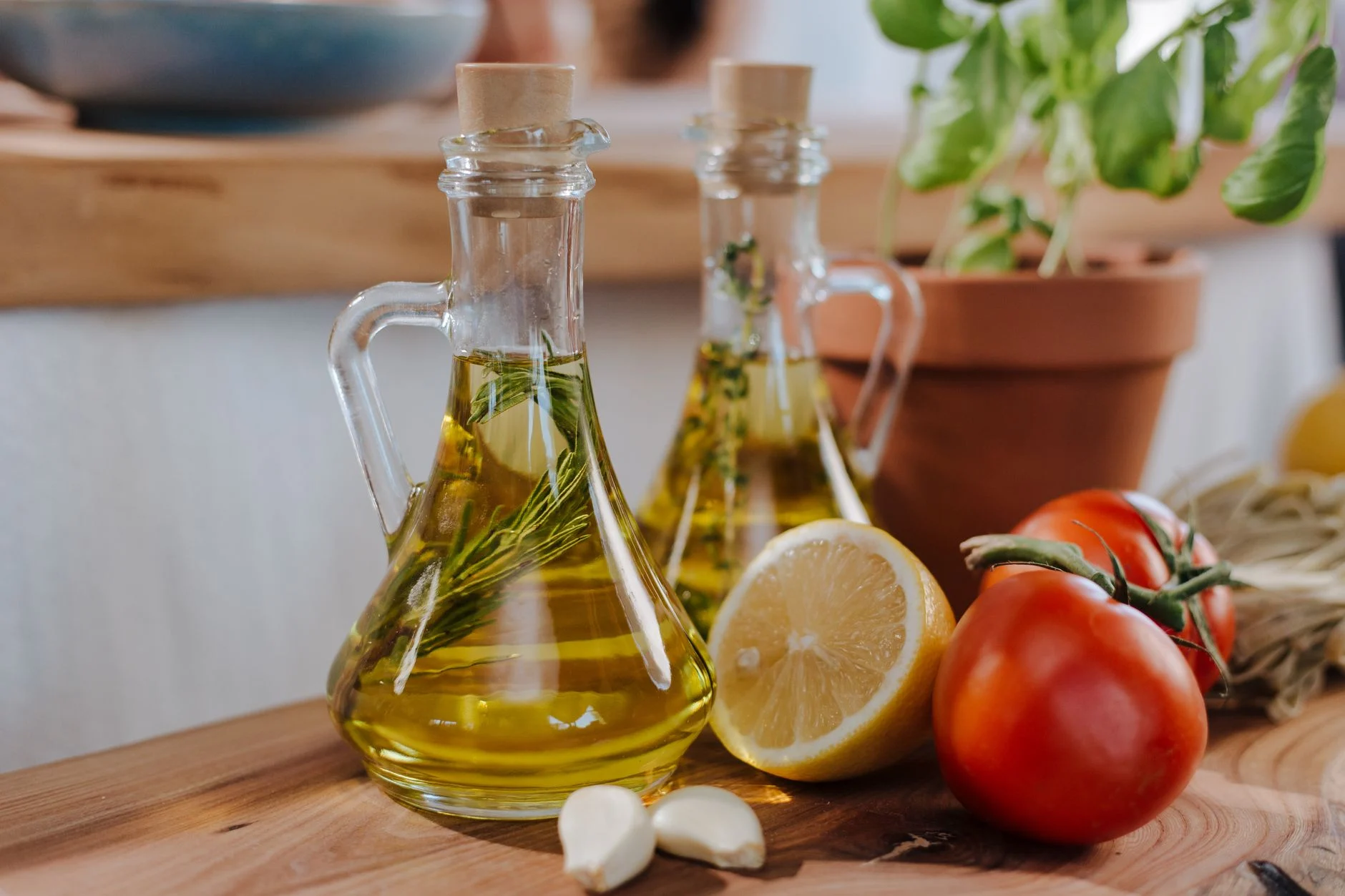
There’s no need to replace everything at once. Pick one bottle for the dishes you make most often without high heat, use it for a few weeks and see whether you enjoy the flavour. Oil of any kind adds up quickly in calories, so measure it with a spoon.
You can browse Organio’s cold pressed oils, including olive oil, coconut oil and almond oil, and choose by how you plan to cook.
What else do people ask about these oils?
Is cold pressed oil the same as extra virgin oil?
Not exactly. “Cold pressed” describes extraction without applied heat. “Extra virgin” is a quality grade used mainly for olive oil, covering mechanical extraction along with chemical and taste standards.
Can I fry with cold pressed oil?
Light frying and sautéing are fine with many of them if the oil does not smoke. For long, very hot deep-frying, choose an oil suited to high temperatures.
Why does cold pressed oil look cloudy or darker?
Minimal filtering leaves more natural pigments and fine particles. Cloudiness can also appear in cold weather. A sour or stale smell is a different matter and means you should check the oil.
Does refined oil have fewer calories?
No. Refined and cold pressed versions of an oil provide about the same calories per spoon, because both are almost entirely fat.
Should cold pressed oil go in the fridge?
Most do well in a cool, dark cupboard. Follow the label, since storage advice and shelf life vary by oil.