

Most Pakistani kitchens end up with two bottles on the shelf: a golden olive oil someone recommended, and a jar of coconut oil that turns solid every winter. Then the question comes up at dinner time. Which one goes in the pan tonight? The olive oil vs coconut oil debate is full of strong opinions, but the answer depends on what you are cooking and how hot the pan gets.
Short answer: use olive oil for dressings, dips, light sautéing and everyday cooking. Use coconut oil when you want a mild coconut flavour in curries, baking or sweets. Both have about 120 calories and 14 grams of fat per tablespoon, but olive oil is mostly unsaturated fat and coconut oil is mostly saturated fat.
Olive oil vs coconut oil: what is actually different?
On paper they look alike. A tablespoon of either oil has around 120 calories and 14 grams of fat, according to Cleveland Clinic. The difference is the kind of fat.
Olive oil is mostly unsaturated fat. Coconut oil is mostly saturated fat, and its main fatty acid is lauric acid, which is a medium-chain fatty acid. That is why coconut oil sets hard in a cool kitchen while olive oil stays liquid.
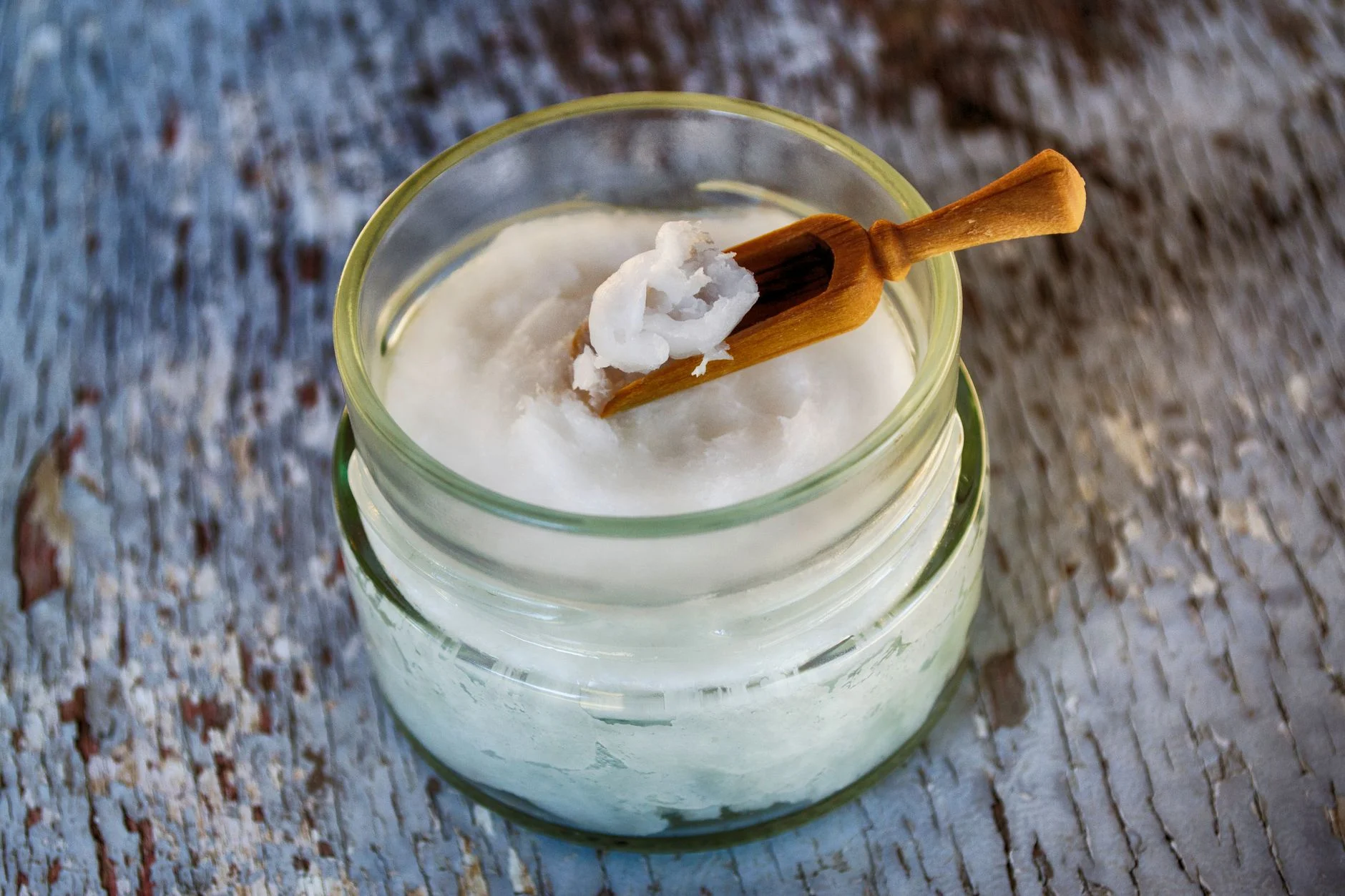
Extra virgin olive oil also carries plant compounds called polyphenols, and the less an oil is refined, the more of them it tends to keep. Unrefined coconut oil has more antioxidants than refined coconut oil, too. So “cold-pressed” and “unrefined” on a label are worth reading closely, whichever oil you buy.
When is olive oil the better choice?
Olive oil is the easy everyday pick. Harvard Health calls it the kitchen staple and suggests coconut oil for occasional use. It works best where its flavour can show.
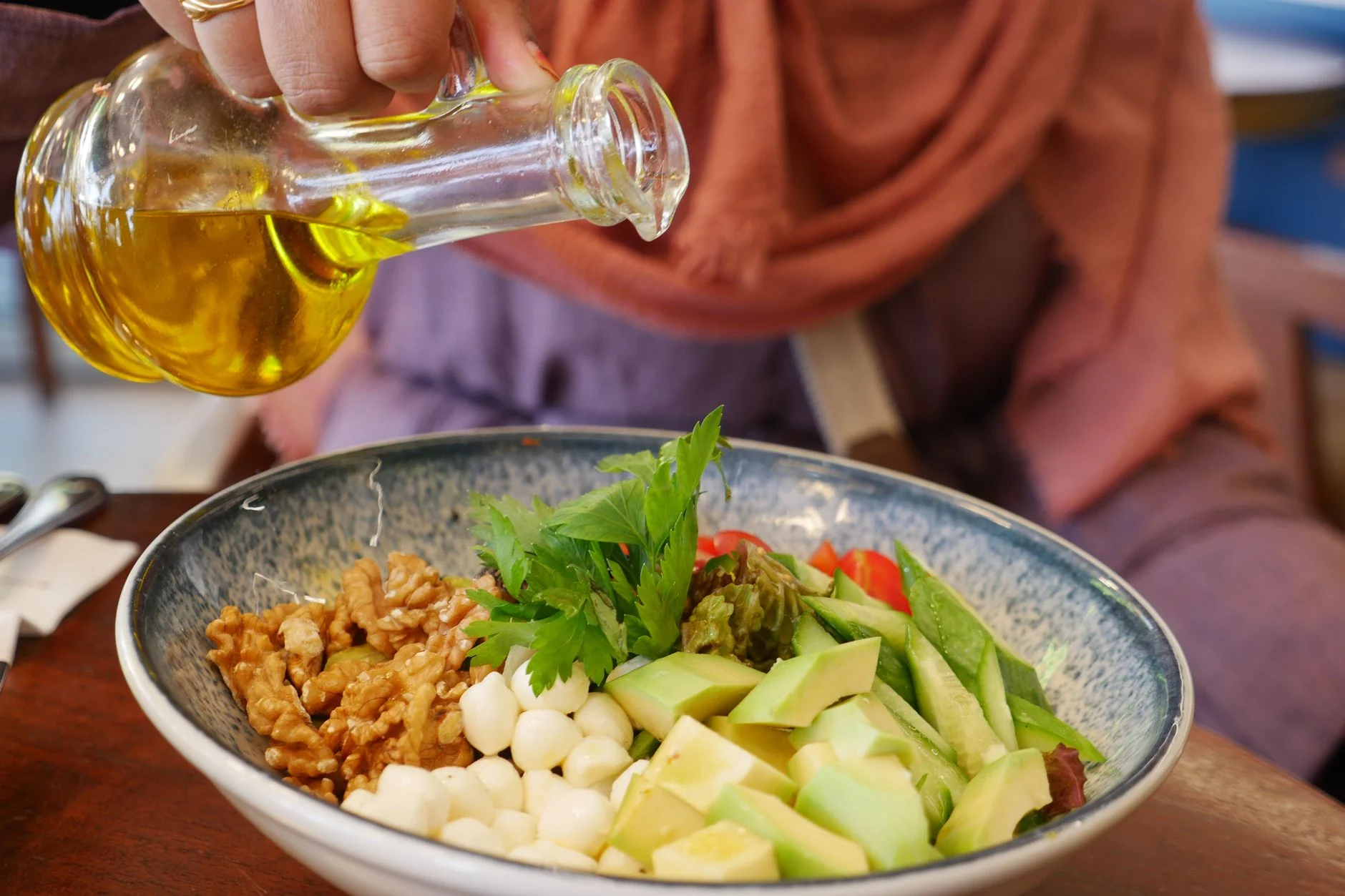
- Salad dressings, with lemon juice or vinegar
- Dips for bread, hummus or roasted vegetables
- A finishing drizzle over soups, daal, grilled chicken or eggs
- Light sautéing of onions, garlic and vegetables
- Marinades for chicken or fish
Our Organic Olive Oil is a good fit for these jobs. If you want to know what to look for on a label first, our cold-pressed olive oil guide covers it.
When does coconut oil make more sense?
Coconut oil earns its place when you actually want the coconut. It has a sweet, nutty smell, and unrefined coconut oil keeps that taste in the food.
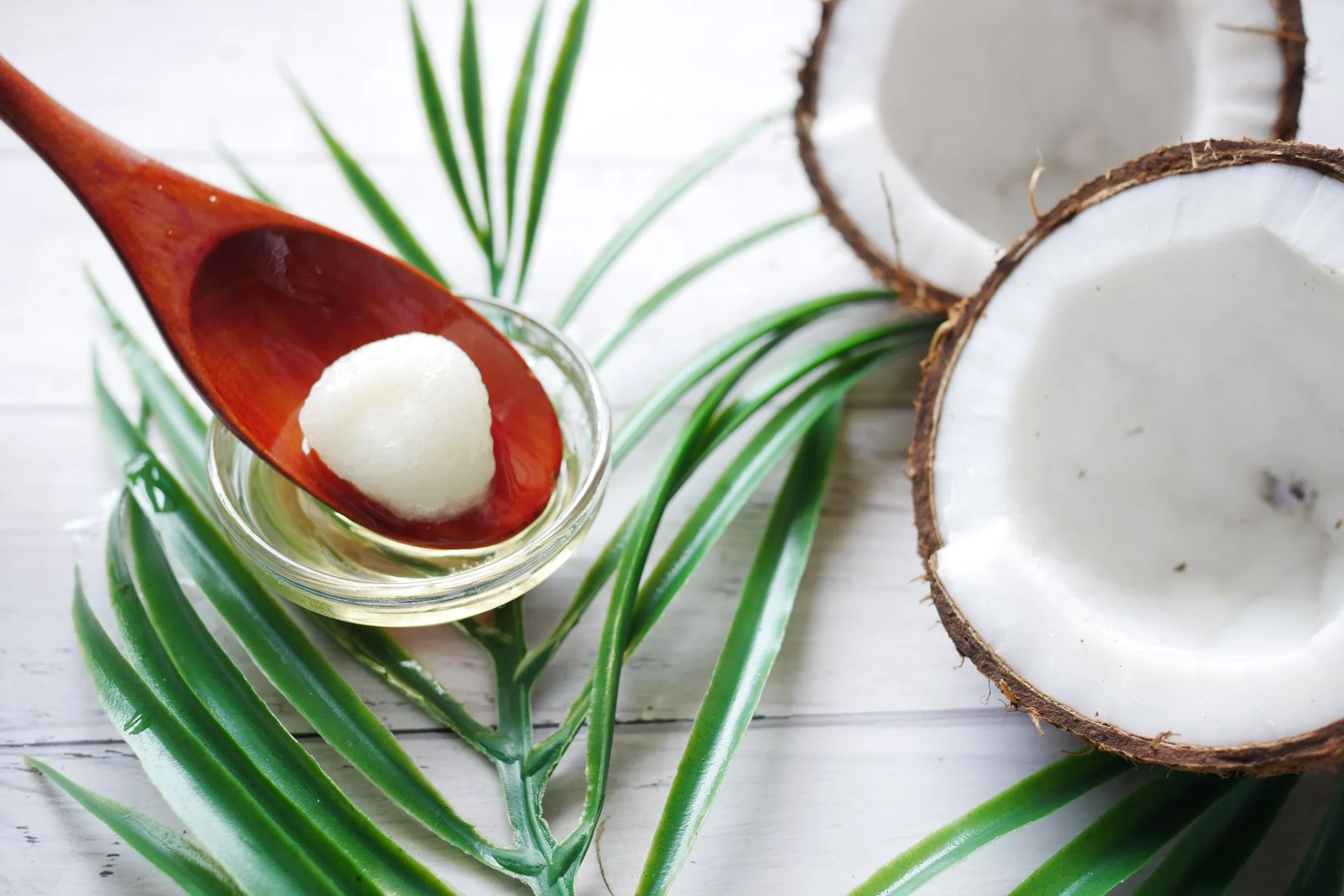
- Vegetable curries, especially with coconut milk
- Baking, as a dairy-free stand-in for butter in cakes and cookies
- Roasting nuts or making granola
- Popping popcorn on the stove
- Sweets and halwa where a hint of coconut is welcome
Because it is mostly saturated fat, most nutrition guidance suggests keeping it as an occasional oil instead of your only one. Our Organic Coconut Oil comes in handy for exactly these dishes.
Which oil works better for frying and sautéing?
Colorado State University’s guide lists both extra virgin olive oil and coconut oil at a smoke point of about 350°F (roughly 175°C). Smoke point is the temperature where an oil starts to break down and give off smoke and bitter flavours.
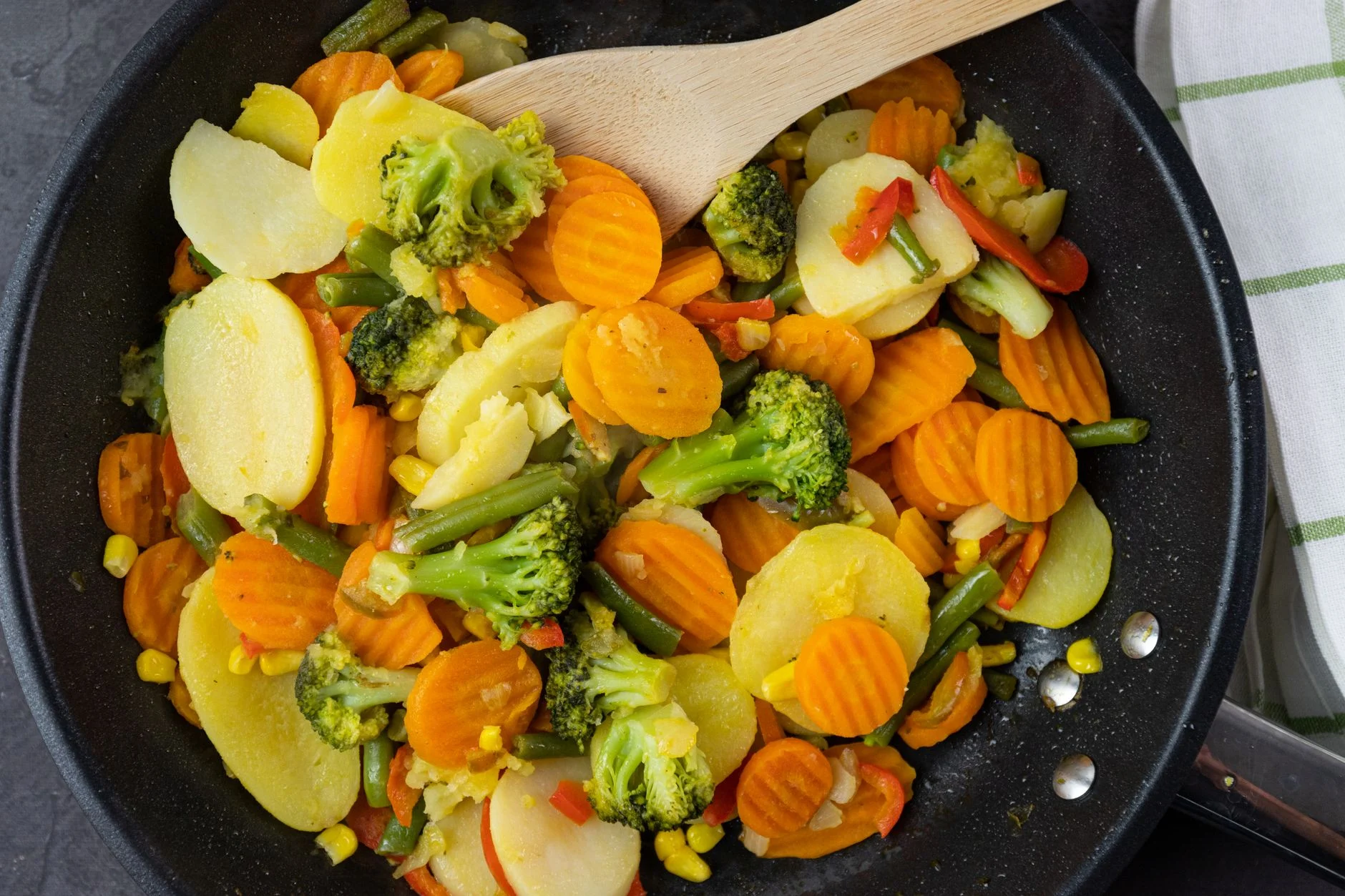
Most stovetop cooking stays under that number, so both oils handle a normal vegetable stir-fry or a quick sauté. Deep frying, hard searing and tandoor-style roasting can go higher. For those, pick an oil made for high heat. If your oil starts smoking, turn the heat down, wipe the pan and start again, because burnt oil tastes harsh.
A simple rule works at home:
- Cold or finishing use: extra virgin olive oil
- Medium heat and everyday sautéing: olive oil, or coconut oil if you like the flavour
- Baking and sweet dishes: coconut oil
- Very high heat: a refined, high-heat oil
How do you pick a good bottle or jar?
Labels can say a lot or almost nothing, so a few quick checks help before you pay.
- Look for “extra virgin” on olive oil and “virgin” or “unrefined” on coconut oil. Those are the less processed types.
- Read the ingredients. A good oil lists one thing: olives or coconut.
- Choose dark glass over clear glass for olive oil, because light speeds up spoilage.
- Check for a pressing or best-before date, and buy a size you will finish in a few months.
- Smell it. Fresh olive oil smells grassy or fruity, and fresh coconut oil smells lightly sweet. A crayon-like or stale smell means it has gone off.
Price tells you less than people think, but an oil that costs far less than the going rate for the same type is worth a second look.
What does a simple week with both oils look like?
You do not need a plan, but an example makes the split easier to picture. Dress Monday’s salad and Tuesday’s hummus plate with olive oil. Sauté Wednesday’s vegetables in it too. On Thursday, make a coconut milk curry with coconut oil. At the weekend, bake with coconut oil for a dairy-free cake, and finish Sunday’s grilled chicken with a drizzle of olive oil at the table. One bottle and one jar cover all of it.
How should you store olive oil and coconut oil?
Light, heat and air are what shorten the life of any oil. Keep both in a cool cupboard away from the stove, with the lid tightly closed. Dark glass bottles help olive oil. A dry spoon helps coconut oil, since water in the jar can spoil it faster.
If your coconut oil has set hard, that is normal in cold weather. Scoop it out or stand the jar in a bowl of warm water for a few minutes. We wrote about this in more detail in our post on why cold-pressed coconut oil goes solid in winter.
What is Organio’s take on olive oil and coconut oil?
We keep both in our own kitchens because they do different jobs. Olive oil handles the salads, dips and gentle cooking. Coconut oil handles the curries, baking and anything sweet, so there is no winner to pick.
How an oil is made matters to us, which is why our range is cold-pressed, and we say plainly what each oil is best used for. You can browse the full cold-pressed oils collection, or start with the Wellness Duo of olive oil and walnuts if you also want something to eat with it.
Frequently asked questions
Is olive oil or coconut oil better for everyday cooking?
Olive oil suits most everyday cooking because it is mostly unsaturated fat and works for salads, dips and sautéing. Coconut oil is better kept for dishes where you want its flavour, like curries and baking.
Can I cook with extra virgin olive oil?
Yes. Extra virgin olive oil is fine for sautéing and baking at medium heat. For deep frying or very high heat, use an oil made for that job.
Does coconut oil taste like coconut?
Unrefined or virgin coconut oil keeps a sweet coconut flavour and smell. Refined coconut oil is more neutral, but it has fewer antioxidants.
Why does my coconut oil turn solid?
Coconut oil is mostly saturated fat, which sets firm at cooler room temperatures. It is not spoiled. Warm it gently and it turns liquid again.
Can I use olive oil and coconut oil together?
Yes. Many home cooks use olive oil for salads and sautéing and coconut oil for baking and curries.