Walk down any oil aisle and the labels start to blur. Extra virgin, virgin, pure, light, cold-pressed. If you are trying to pick a bottle for your kitchen, it is hard to know which words mean something and which are decoration. This guide covers what cold-pressed olive oil is, how to choose one, how to cook with it and how to keep it fresh at home.
Cold-pressed olive oil is oil extracted from olives mechanically, without added heat. Under EU rules the paste must stay below 27 °C (80.6 °F), a gentle process that protects the fruit’s flavor. Use it raw or over low to medium heat, and store it sealed, cool and away from light.
What does cold-pressed olive oil actually mean?
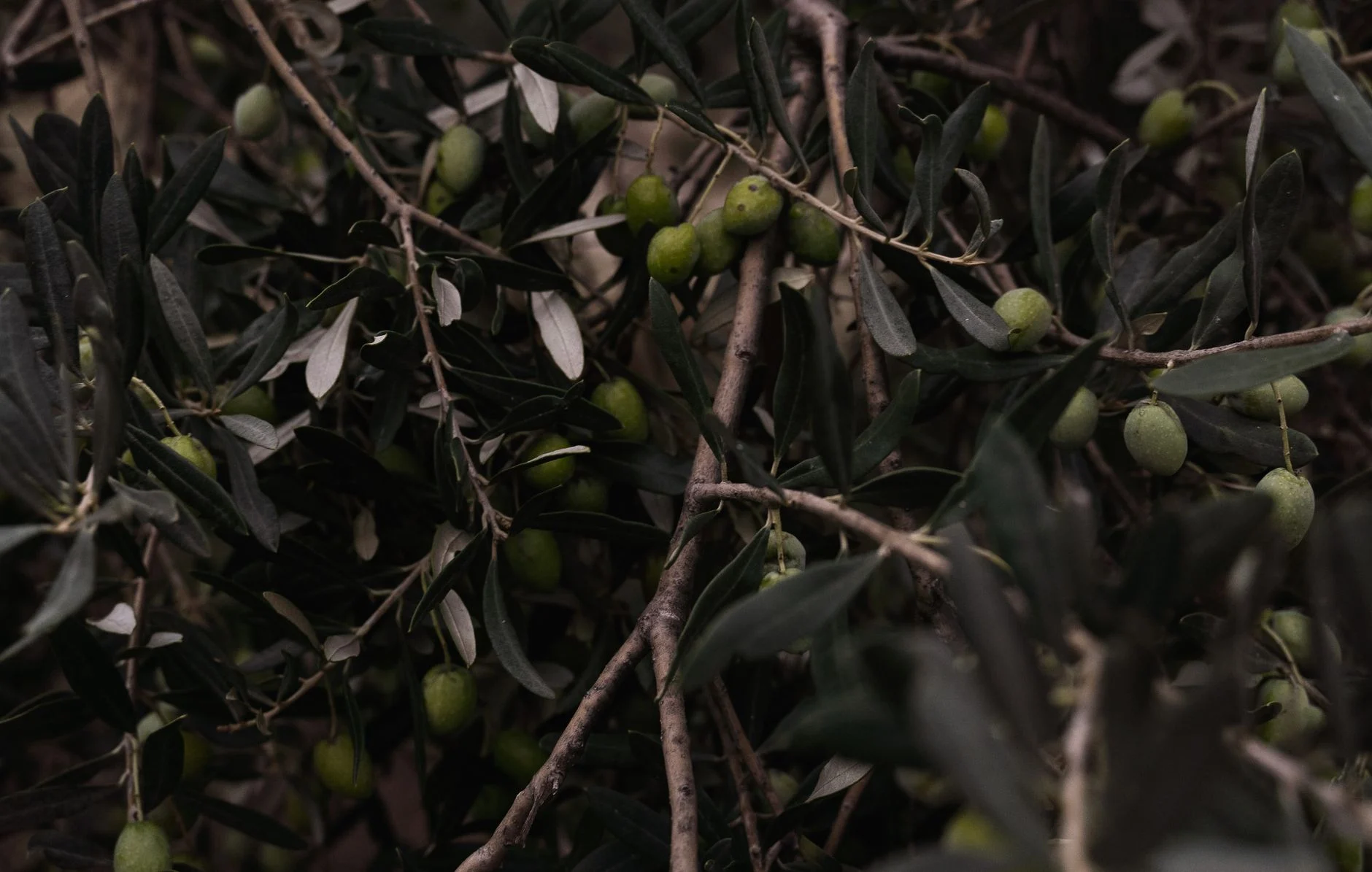
Olives are crushed into a paste, the paste is mixed slowly, and the oil is separated out. In older mills that separation happened under hydraulic presses. Most modern producers use a centrifuge instead. “Cold” refers to temperature. In the EU, “first cold pressing” and “cold extraction” may only appear on extra virgin or virgin oil produced below 27 °C.
Outside the EU, there are few rules about how the phrase is used, so the label alone does not prove much. That is why it helps to buy from a seller who tells you how the oil is made and who you can ask questions.
Oleic acid, a monounsaturated fat, is the main fatty acid in olive oil. A published review puts it at 55 to 83 percent of the oil. A small share of the oil, roughly 1 to 2 percent, holds tocopherols (a form of vitamin E), polyphenols and squalene. One tablespoon of extra virgin olive oil has about 126 calories and 14 grams of fat, and it supplies about 19 percent of the daily value for vitamin E. Olive oil can be part of a heart-healthy diet.
Why is it so hard to pick a good bottle?
Most of the problem is information. Prices are all over the place, many labels use similar words, and a bottle on a shop shelf can sit under bright lights for a long time. You cannot taste before you buy, and you cannot see the harvest date unless the producer prints it.
A few habits make the choice easier:
- Look for “extra virgin” together with “cold-pressed”. The first describes the grade, the second describes the method.
- Choose dark glass or a tin. Clear bottles let light in, and light speeds up oxidation.
- Prefer a smaller bottle if you cook for one or two people. Oil starts aging once it is opened.
- Check that the seller lists what is in the bottle and how to use it.
- Trust your nose. Fresh oil smells fruity. A stale or greasy smell means it has gone off.
How do we approach olive oil at Organio?
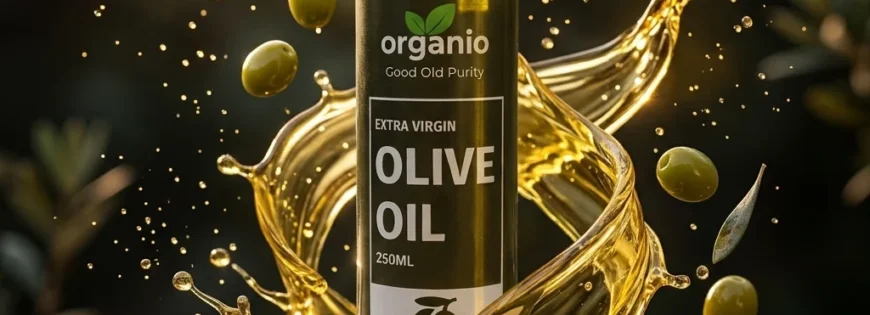
Our Organio Organic Olive Oil comes in a 250 ml bottle and is cold-pressed, with no preservatives added. We sell it in a size most households can finish while it is still fresh, and we would rather you use a small bottle quickly than keep a large one around for a year. If you want to see the rest of the range, the cold-pressed oils collection lists every oil we carry.
How should you use cold-pressed olive oil in the kitchen?
Raw is where it shines. Extra virgin olive oil is a finishing ingredient as much as a cooking fat, and heat dulls the delicate aroma you paid for.
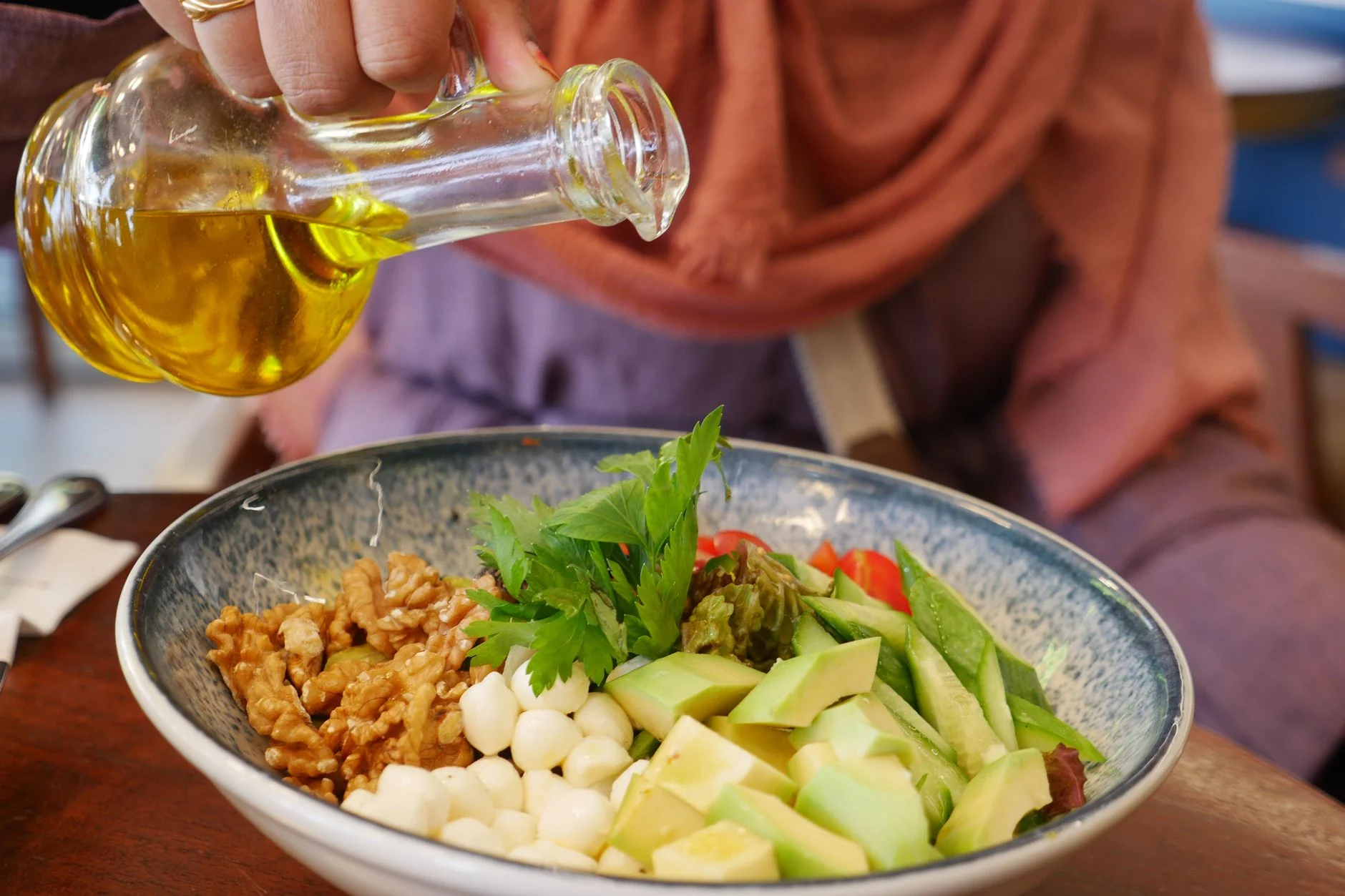
Some easy ways to use it:
- Drizzle it over salads, grain bowls and steamed vegetables just before serving.
- Stir a spoonful into soups, dal or hummus after cooking.
- Whisk three parts oil to one part lemon juice for a basic dressing.
- Use it for sautéing and roasting at low to medium heat. Extra virgin oil smokes sooner than refined oils and turns bitter if it gets too hot, so it is a poor choice for hard frying.
- Marinate vegetables or chicken in it with garlic, herbs and a little salt.
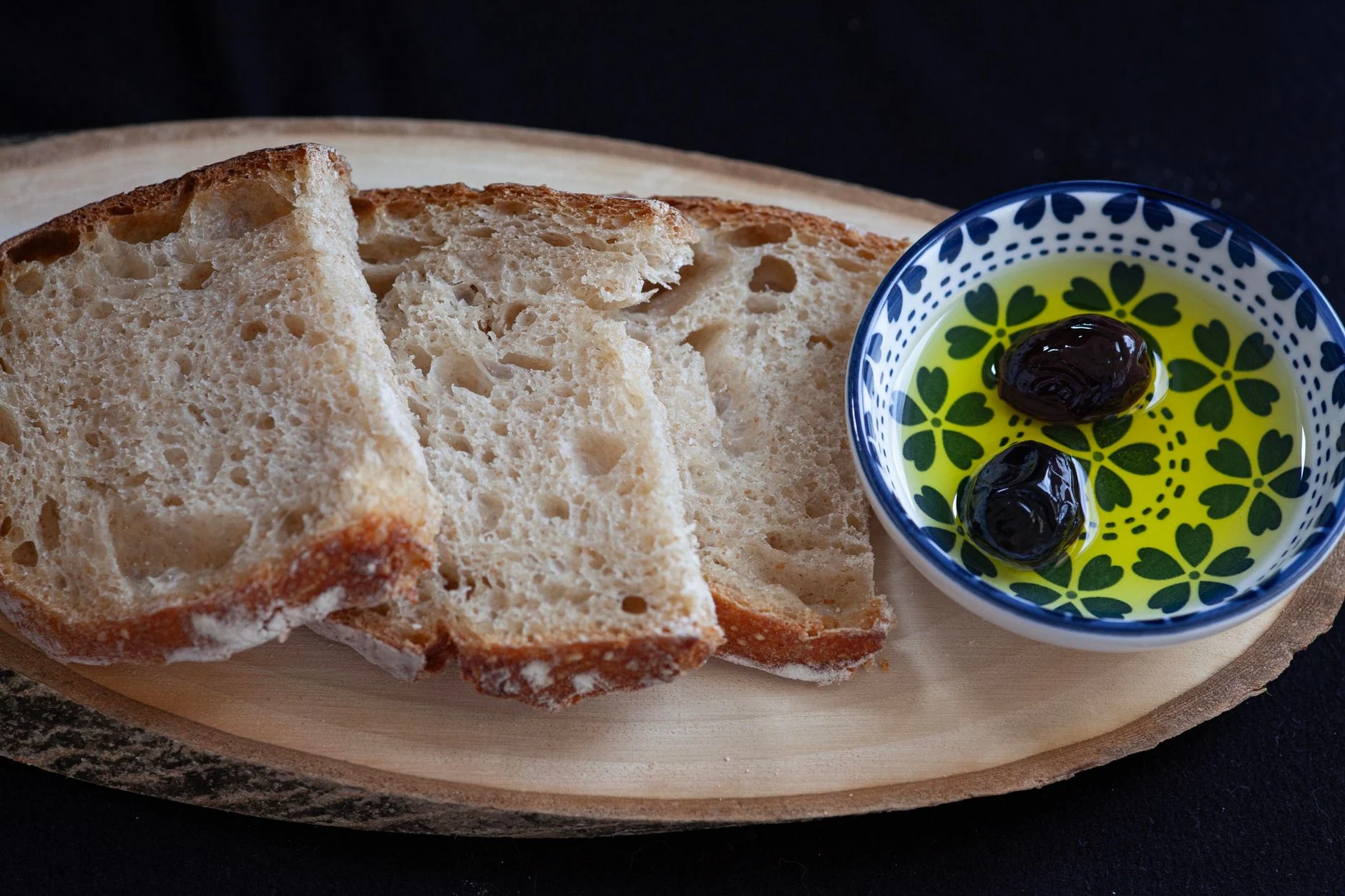
For a quick tasting test, pour a small amount into a bowl and dip fresh bread. If it tastes fresh and fruity, you have a good bottle. If it tastes flat or greasy, it is probably old.
Which everyday dishes suit olive oil best?
Think of dishes where the oil is a flavor, not just a cooking medium. A plate of sliced tomatoes with salt and a spoonful of oil needs nothing else. Boiled potatoes, roasted aubergine, chickpea salad and fresh flatbread all take well to it. Pasta tossed with garlic, chilli flakes and oil comes together in the time it takes to boil the water. You can also use it in baking, swapping it into simple cakes and breads where a fruity note is welcome.
If your family cooks mostly with heavy frying, you do not need to change everything. Keep your usual frying oil for that, and bring the olive oil in for salads, sides and finishing. That way a small bottle lasts and every spoonful is doing something useful.
Can you use it on skin and hair too?
Olive oil is also used for hair oiling and on dry skin. If you want to try it, do a patch test on a small area first and use only a little. If you want an oil mainly for skin and hair, our Organic Almond Oil is cold-pressed too.
How do you store olive oil so it stays fresh?
Oxygen is the biggest threat to olive oil, and light comes second. Chlorophyll in the oil acts as a natural photosensitizer, so light speeds up the damage. Heat makes it worse. The same review found that dark glass and stainless steel or tin kept oil stable best, and that clear bottles do not protect it from light-driven oxidation.
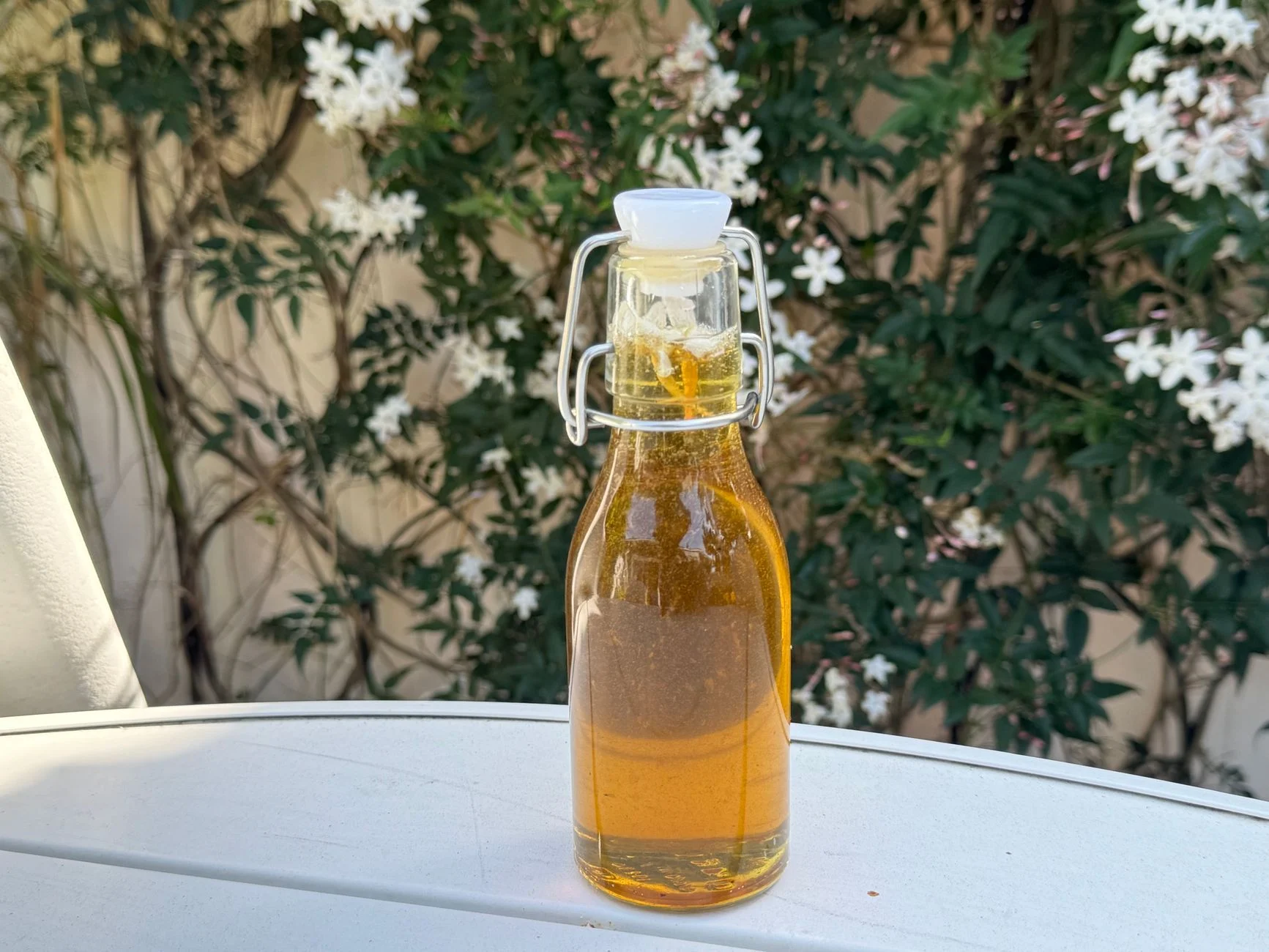
In practice, that means:
- Keep the cap tight after every use.
- Store the bottle in a cupboard away from the stove, not on the counter beside it.
- Keep it out of direct sunlight, even if the bottle looks decorative on a windowsill.
- Use it within a few months of opening. Well-sealed olive oil keeps for about 12 to 18 months, and sometimes into a second year, but the flavor is best when it is fresh.
The same logic applies to nuts and dried fruit, which also go stale from air and warmth. We cover that in our guide on how to store nuts and dry fruits.
What mistakes should you avoid?
Buying the biggest bottle because it costs less per millilitre is the most common one. If you do not finish it within a few months, you lose the freshness you paid for. Leaving the bottle next to the stove is the second. Heat and light age oil faster than most people expect. The third mistake is using extra virgin oil for deep frying, which wastes its flavor and pushes it past the temperature where it behaves well.
Frequently asked questions
Is cold-pressed olive oil the same as extra virgin?
No. Extra virgin is a quality grade, while cold-pressed describes how the oil was extracted. Good extra virgin oil is usually extracted cold, but the two terms are not interchangeable on a label.
Can I cook with cold-pressed olive oil?
Yes, at low to medium heat. It works for sautéing vegetables and light roasting. For high-heat frying, a more heat-stable oil is a better match, and you save your olive oil for finishing dishes.
How long does olive oil last after opening?
Sealed and stored well, olive oil is generally good for 12 to 18 months from bottling, sometimes longer. Once opened, try to finish it within a few months for the best flavor.
Does olive oil go bad?
It does. Oxygen, light and heat slowly turn it rancid. If it smells stale or greasy, replace it.
If you are ready to try one, you can find our Organio Organic Olive Oil in the shop, along with other cold-pressed oils and bundles.