
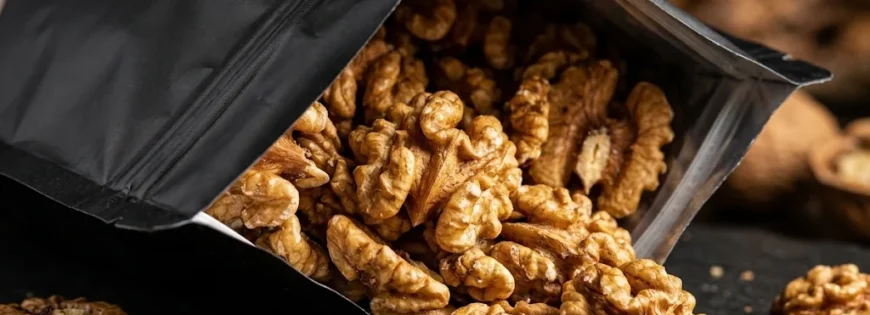
You open a bag of walnuts you bought a few weeks ago, take a bite, and the taste is sharp and bitter. They seemed fine at the shop. Somewhere between the shelf and your kitchen they went off. It happens to almost everyone who buys nuts in bulk, and it is easy to avoid once you know how to spot fresh walnuts.
This guide explains how to pick fresh walnuts, how to tell when they have turned, and how to store them so the last handful tastes like the first. It ends with a few ways to use them in winter cooking.
How do you tell if you have fresh walnuts?
Fresh walnuts smell mild and nutty and taste slightly sweet. Rancid ones smell like paint thinner or old oil and taste sharp or bitter. If a walnut tastes bad, throw it out. Walnuts are rich in unsaturated fats, which spoil more easily than many other fats, so your nose and tongue are the best test.
The reason comes down to the fat. Walnuts contain a lot of polyunsaturated fat, including the plant omega-3 called alpha-linolenic acid (ALA). That is part of what makes them nutritious, but it also means the oil reacts with air, heat and light more easily than the fat in, say, a cashew.
Why do walnuts go bad so often?
Most complaints about walnuts are really complaints about old or badly stored walnuts. A few things usually go wrong. The nuts sat in a warm shop or warehouse for months before you bought them. The pack was opened, left half closed and kept in a cupboard near the stove. Or the walnuts spent weeks next to onions, spices or fish and picked up the smell.
None of this is obvious at the counter. A bag of walnuts can look perfect and still be a few weeks past its best, so it helps to know what to check before you pay.
Should you buy walnuts in shell or shelled?
Both work. The choice depends on how fast you will eat them.
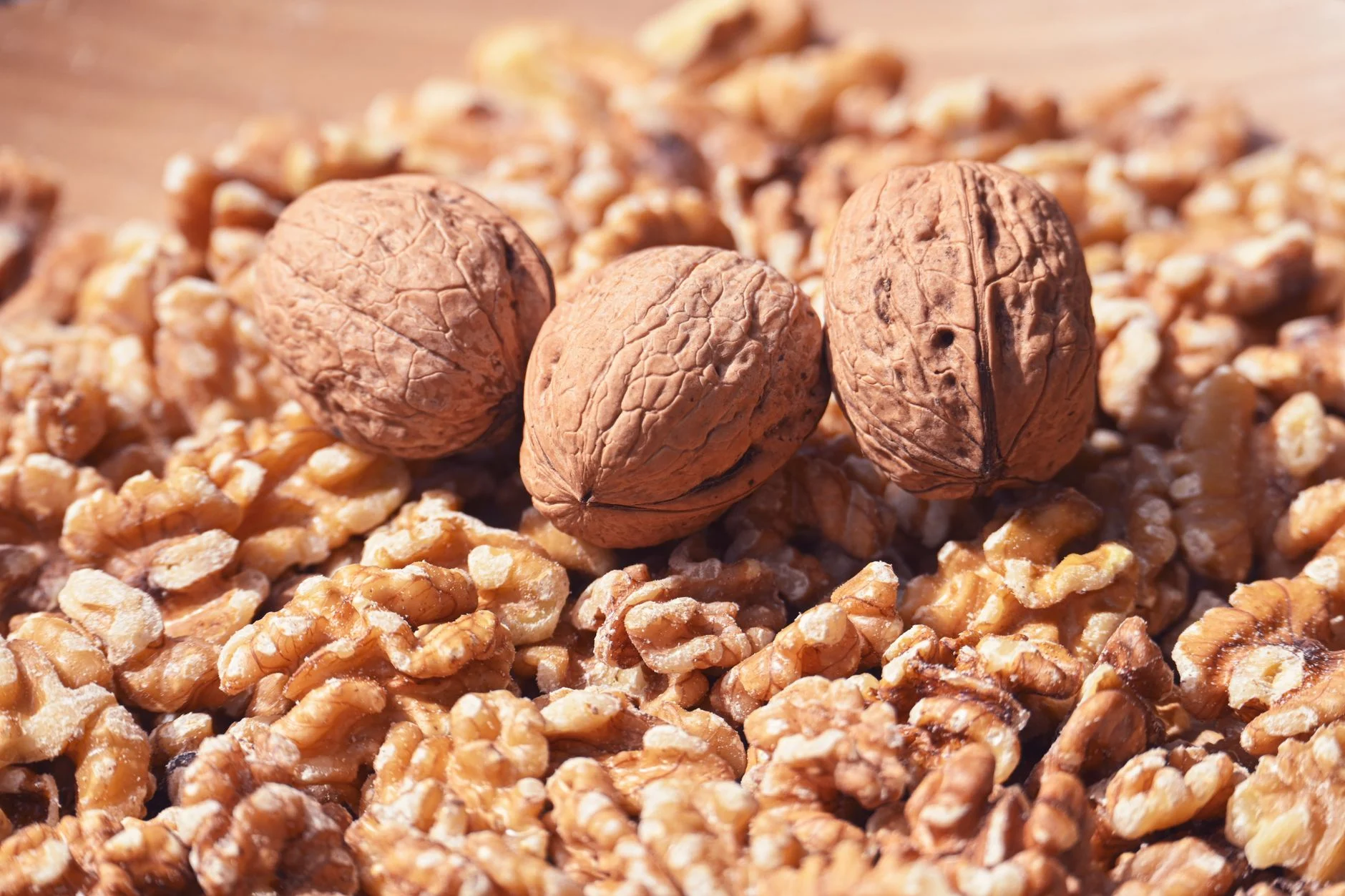
In-shell walnuts are protected by the shell, so they keep their quality longer. Pick ones that feel heavy for their size, with clean shells and no cracks, stains or tiny holes. A light walnut often has a shrunken kernel inside. The cost is effort: you need a nutcracker, and shelling a kilo takes a while.
Shelled walnuts are easier to use in baking, salads and breakfast bowls, but the exposed kernel needs more care. Look for pieces that are an even golden or light tan colour, plump rather than shriveled, with no dark spots or powdery coating. Buy from a seller who keeps them sealed and moves stock quickly, and check the date on the pack.
What should fresh shelled walnuts look, smell and taste like?
Check in this order: smell, look, taste.
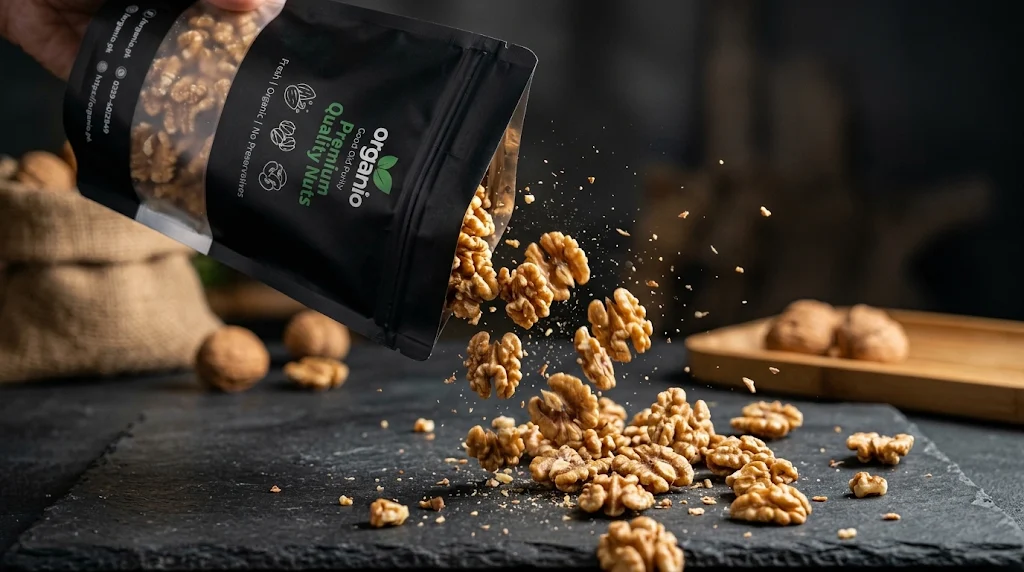
Open the pack and take a breath. You should get a soft, nutty scent. A sharp, chemical or old-cooking-oil smell means the fats have oxidised, and the walnuts should not be eaten.
Then look. Kernels should be firm and evenly coloured. Very dark, oily-looking or shriveled pieces are a warning sign, and so is any mould.
Finally, taste one. A fresh walnut is mildly sweet, with a little natural bitterness from the thin skin. A harsh, stale taste that lingers means it is rancid, and there is no reason to push through it.
How should you store walnuts so they stay fresh?
Keep them cold, dry and sealed. Heat speeds up spoilage, so the shelf above the stove is the worst place for them.
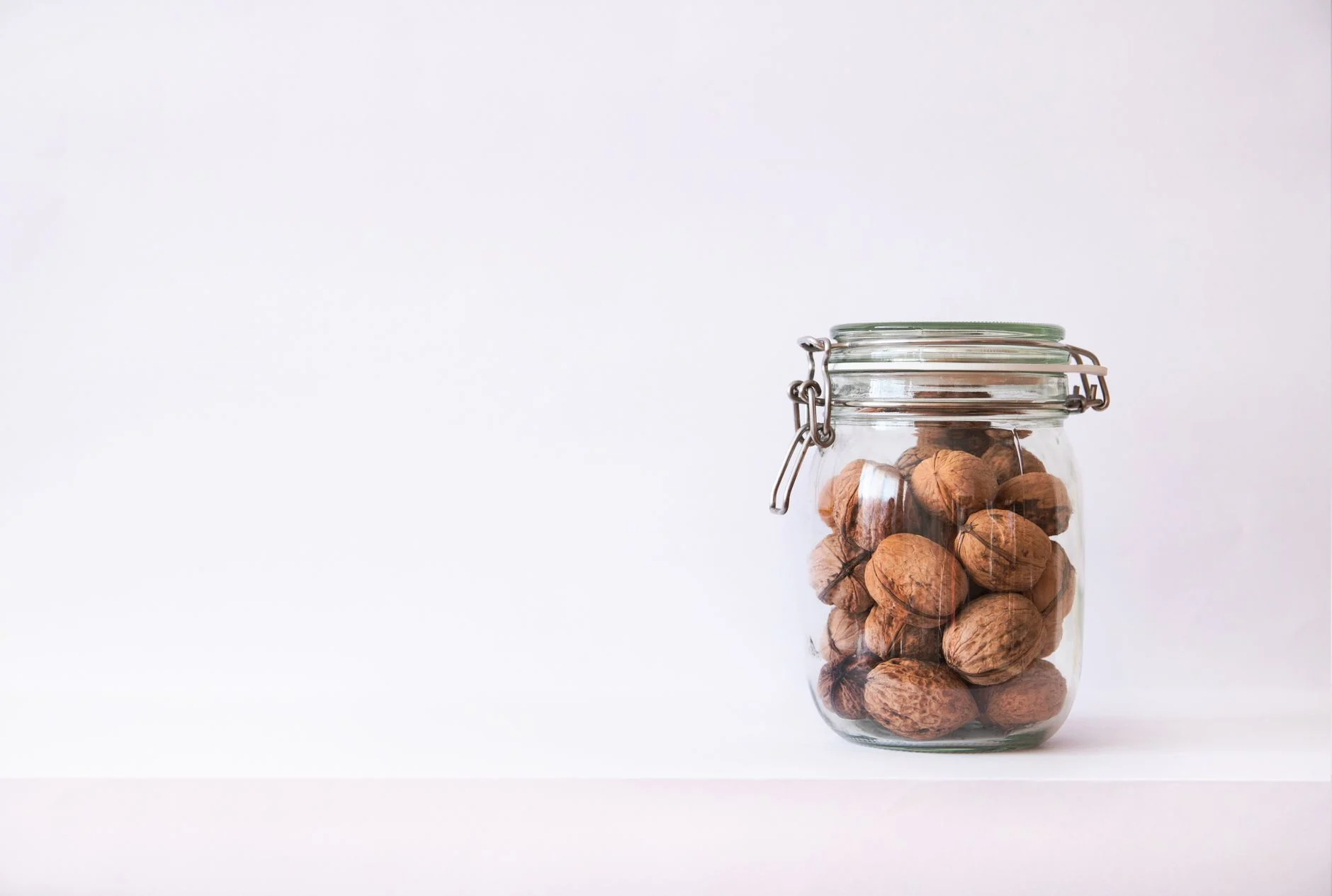
Nut growers and university extension services give consistent advice. In practice it looks like this:
- If you will use them within a few weeks, keep walnuts in the refrigerator.
- If you want to keep them for a month or longer, freeze them.
- Once a pack is open, move the walnuts into an airtight container. They absorb smells, so keep them away from fish, onions and cabbage.
- Leave in-shell walnuts in the shell until you need them. Chop or grind shelled walnuts just before using.
This matters more in a hot city like Lahore or Karachi. A summer kitchen gets very warm, and a bag left on the counter for a month is exactly how rancid walnuts happen. A small airtight jar in the fridge is the cheapest fix.
For other nuts and dried fruit, see our guide on how to store nuts and dry fruits so they stay fresh.
What do walnuts contain?
A 30 gram serving, about a small handful, has roughly 185 calories, 4.3 grams of protein, 18.5 grams of fat and 1.9 grams of fibre, according to USDA data. Most of that fat is unsaturated. Walnuts are also one of the few nuts with a meaningful amount of plant omega-3 (ALA), and they supply minerals such as copper and manganese.
They fit into a balanced, heart-healthy eating pattern as a replacement for less nutritious snacks. They are energy-dense, so a handful is a sensible portion.
How can you use walnuts in winter meals?
Walnuts go well with warm food, which makes winter a natural time to cook with them.
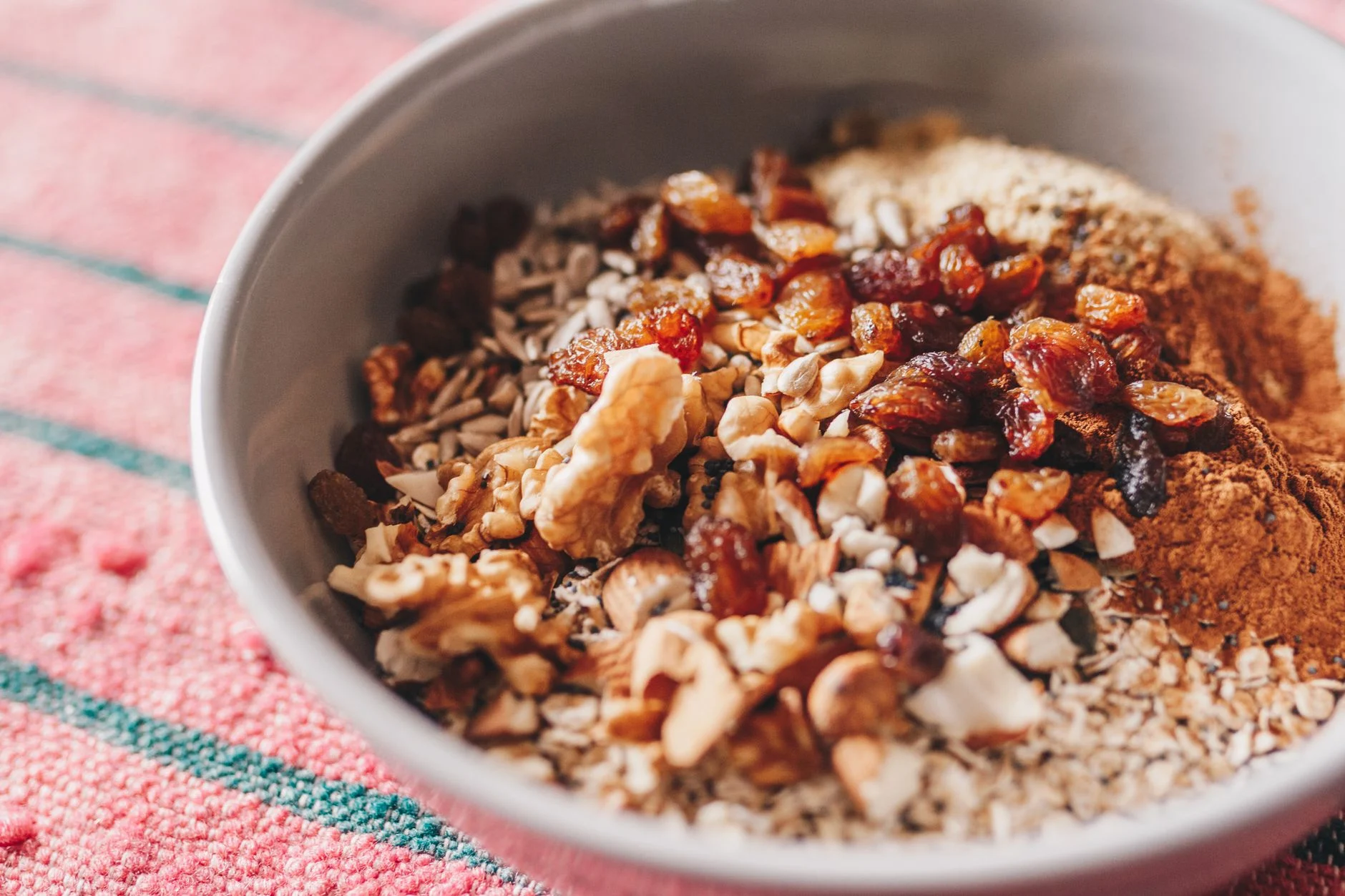
- Stir chopped walnuts into hot oats or porridge with dates and cinnamon.
- Toast them in a dry pan for two to three minutes, then scatter over salads or yogurt.
- Fold them into banana bread, brownies or halwa.
- Blend them with garlic, herbs and olive oil for a quick dip or pasta sauce.
Toasting brings out the flavour. Let the walnuts cool fully before storing them, and toast only what you plan to eat that week.
What is Organio’s view on buying walnuts?
We would rather you buy a small pack more often than a large one you forget about. A walnut that was fresh at purchase can still spoil in a warm kitchen, so a pack you finish in a few weeks is the safer bet. You can see our Premium Walnuts and the rest of our premium nuts online. If you also want olive oil, there is a Wellness Duo with olive oil and walnuts. For more winter snack ideas, read our guide to the best dry fruits for winter.
Frequently asked questions about fresh walnuts
How long do walnuts stay fresh?
It depends on how you store them. In the shell, in a cool, dry place, they last longest. Shelled walnuts are best used within a few weeks if kept in the fridge. For anything beyond a month, freeze them in an airtight container.
Is it safe to eat slightly bitter walnuts?
A little bitterness from the skin is normal. A harsh, stale or paint-like taste is not. If a walnut tastes or smells off, throw it away before it ruins a whole recipe.
Can you freeze walnuts?
Yes. Freezing is the best option if you will not use them within a month. Put them in an airtight bag or container. You can often use them straight from the freezer in baking.
Why do my walnuts taste bitter even though they are new?
Some bitterness is natural because the thin brown skin tastes slightly bitter. If the taste is sharp or chemical, the fats have probably oxidised from heat or long storage. Check the smell, and think about where the walnuts were kept before you bought them.
Should walnuts be stored in the fridge or the pantry?
The fridge is better, especially in warm weather. Cold slows the reactions that make unsaturated fats go rancid.