You open a fresh jar of natural nut butter and find a layer of oil floating on top, with a thick, dry paste underneath. Many people assume the jar has gone off or that something went wrong at the factory. Neither is true, and the fix takes about two minutes. This guide explains why the oil rises, how to stir it back in without a mess, and how to store the jar so it stays pleasant to eat.
The short answer: natural nut butter separates because it has no added stabilizers, so the oil from the nuts rises to the top over time. That oil is safe to eat. Stir it back in with a clean, dry spoon, or store the jar upside down for a few hours first, then keep it tightly sealed.
Why does natural nut butter separate?
Nuts are full of oil. Grinding them into a butter releases that oil and mixes it with the fine solid particles. In a jar with nothing to hold the two together, the oil slowly floats up and the solids sink. The Canadian Food Inspection Agency describes this as a natural process in peanut butter made without stabilizers.
Jars that stay smooth for months usually have a stabilizer added to keep the oil in place. A jar that separates is simply showing you what is inside it: nuts, and sometimes a little salt or a natural sweetener.
Time and temperature matter too. UConn Extension notes that natural nut butters separate more quickly at room temperature and are more prone to going rancid than butters with more additives. A jar in a warm kitchen will show a thicker oil layer sooner than one kept somewhere cool.
Is the oil on top safe to eat?
Yes. The Canadian Food Inspection Agency says oil separation is natural and does not pose a health risk. The oil is part of the butter, so please don’t pour it out. If you drain it, you are left with a dry, crumbly paste that is hard to spread, and you lose much of the flavor.
What deserves your attention is the smell and taste. A sharp, stale or bitter smell suggests the nuts have turned rancid. Visible mold means the jar should go in the bin. If you are unsure, it is safer to throw the jar out.
How do you stir natural nut butter without making a mess?
The trick is to go slowly. Push a clean, dry spoon or butter knife straight down the side of the jar to the bottom, then pull the dry paste up through the oil instead of whipping the surface.
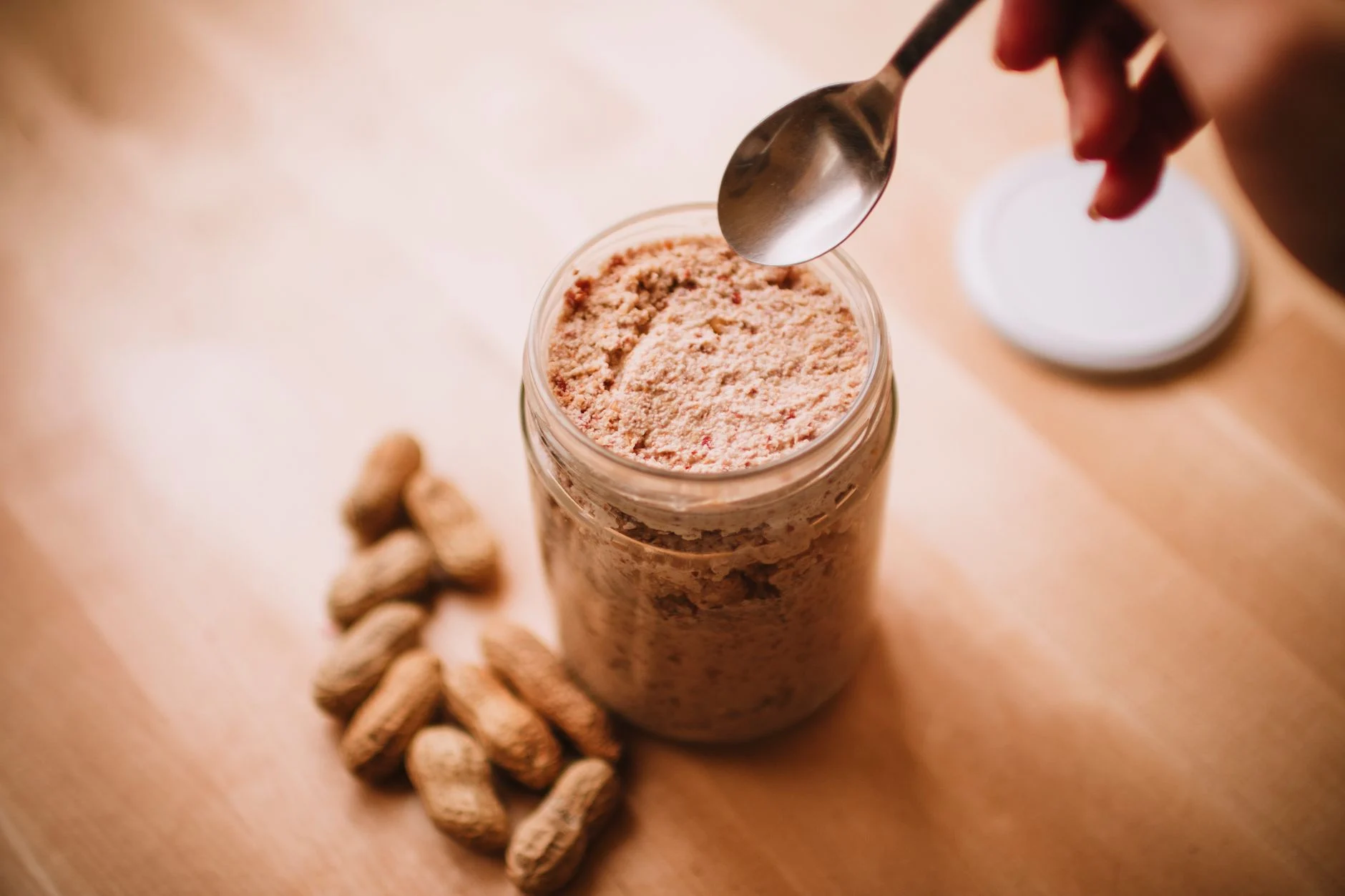
- Before opening a new jar, store it upside down for a couple of hours, or overnight. The oil spreads through the paste while you wait.
- If the jar is very full, scoop out a spoonful first so the oil has room to move.
- Stir from the bottom, scraping the corners and turning the jar as you go.
- Keep going until the color and texture look even from top to bottom, then close the lid firmly.
Use a clean, dry spoon every time. Organio’s product pages for its peanut and almond butters give the same instruction.
How should you store natural nut butter?
It depends on how quickly you finish a jar. Ricardo Cuisine says natural nut butter can sit in the pantry for easy spreading, but that the fridge keeps it fresher, slows rancidity and reduces separation.
Shelf-life guidance varies. Ricardo Cuisine puts an opened natural jar at about one month in the pantry or about three months in the fridge. UConn Extension says opened nut and seed butters typically last three to six months in the refrigerator. When the two differ, follow the storage note on your own jar.
- Keep the lid tightly closed after every use.
- Store the jar in a cool, dark place, away from the stove and direct sun.
- If you eat it slowly, keep it in the fridge. It will be firmer when cold, so give it a few minutes at room temperature before spreading.
- Turn the jar upside down now and then to keep the oil spread through the paste. When the oil settles at the bottom, set it upright again.
What do natural nut butters offer nutritionally?
Nut butters are a source of protein and unsaturated fats. UConn Extension lists these amounts per two tablespoons: peanut butter has 7 g of protein and 16 g of fat; almond butter has 7 g of protein, 18 g of fat, 7.7 mg of vitamin E and 90 mg of magnesium; cashew butter has 5 g of protein, 15 g of fat and 83 mg of magnesium. Exact numbers vary by brand and recipe, so check the label on your jar.
These are calorie-dense foods, so a spoonful or two goes a long way as part of a varied diet.
How can you eat natural nut butter at breakfast?
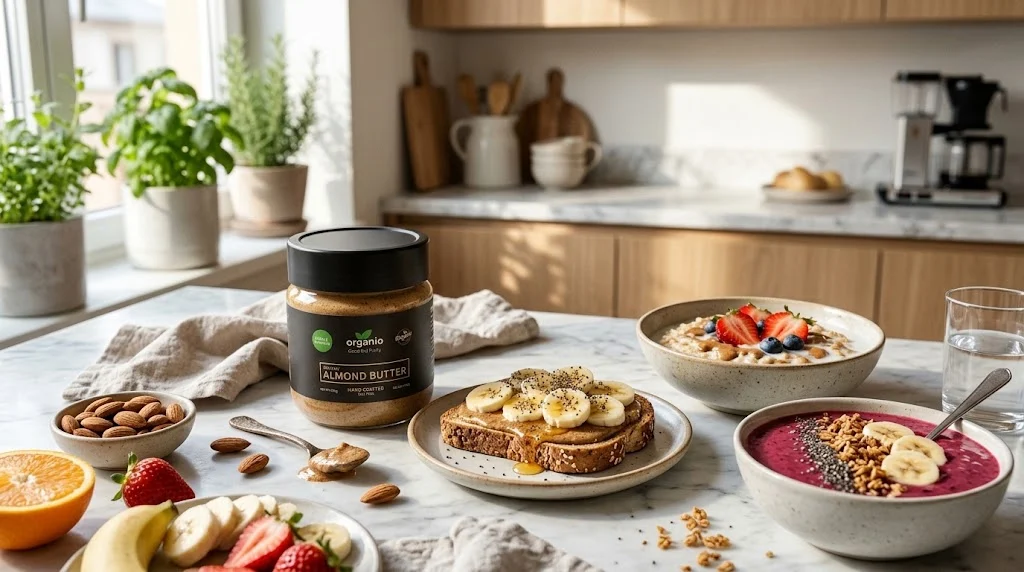
Once the jar is stirred smooth, it spreads easily. A spoonful of Organio’s organic peanut butter on warm toast with banana slices is the simplest start to a winter morning.
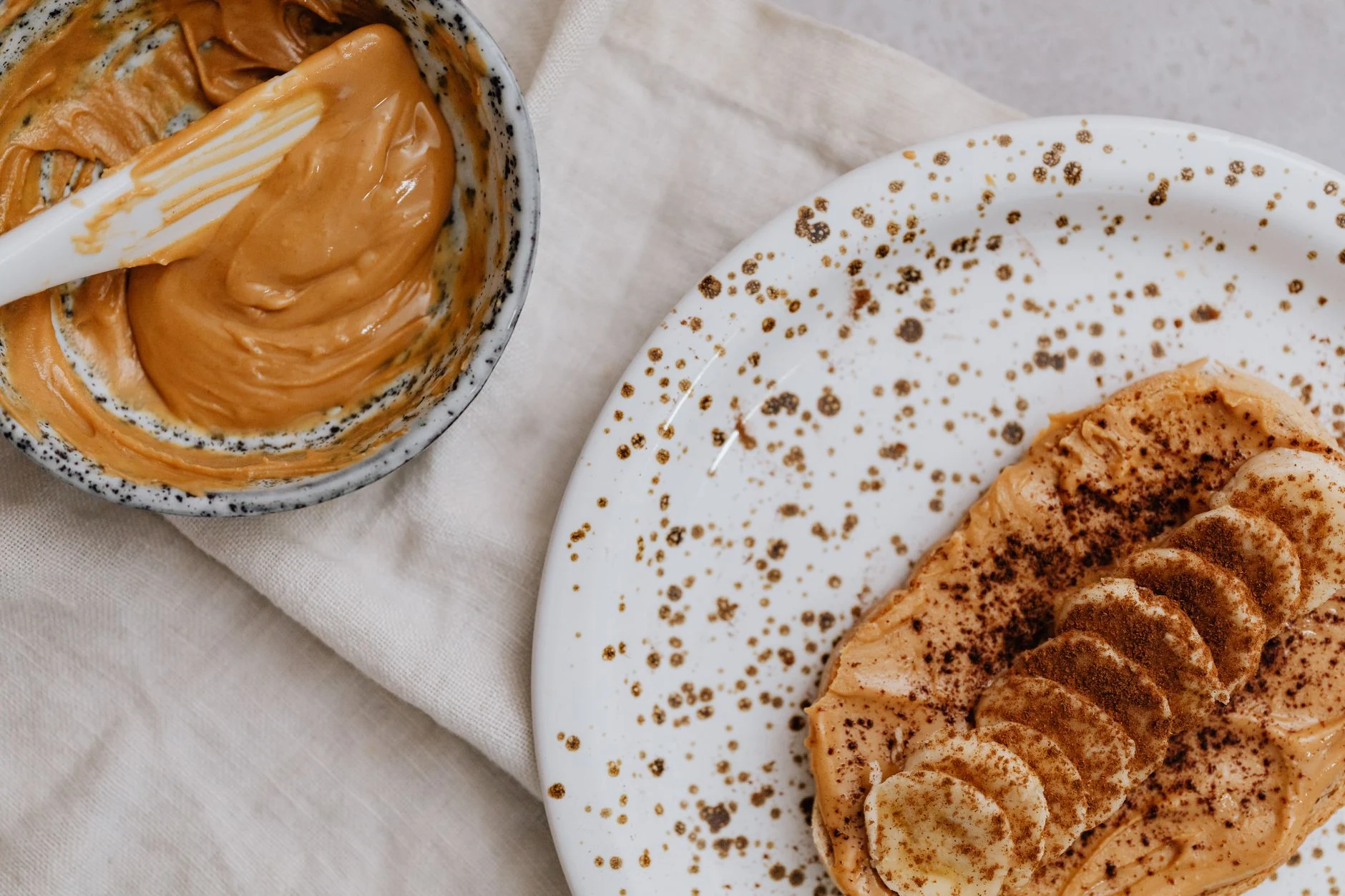
- Swirl a spoonful into hot oats or porridge.
- Spread it on apple or pear slices for an afternoon snack.
- Blend a spoon into a banana smoothie.
- Drizzle a little over a smoothie bowl with seeds and fruit.
For more ideas, see our post on nut butter breakfast ideas for cold winter mornings.
Why does Organio keep its nut butters natural?
Organio’s product pages say its nut butters contain no artificial additives, preservatives or hydrogenated oils. The plain peanut butter lists only peanuts, and the organic almond butter lists almonds, with stevia only in the stevia-sweetened version. That short ingredient list is why you will sometimes see oil on top, and why each page tells you to stir thoroughly with a clean, dry spoon if natural oil separation occurs.
We think a jar that needs a quick stir is a fair trade for knowing exactly what you are eating. If you have wondered which butter suits your table, our comparison of peanut butter and almond butter is a good place to continue.
Frequently asked questions
Is it normal for natural nut butter to have oil on top?
Yes. Natural nut butter has no stabilizer to hold the oil in place, so the oil rises to the top as the jar sits. The Canadian Food Inspection Agency describes it as natural and not a health risk.
Should I pour the oil off?
No. The oil belongs to the butter. Pouring it away leaves a dry, hard paste. Stir it back in from the bottom of the jar.
Do I have to refrigerate natural nut butter?
Not always, so check the label on your jar. The fridge slows rancidity and reduces separation, which helps if you take a long time to finish a jar.
How can I reduce separation?
You cannot stop it completely without adding something to the recipe. Storing the jar upside down before opening, keeping it somewhere cool and refrigerating it all help the oil stay mixed.
How do I know if nut butter has gone bad?
Trust your nose and taste. A sharp, stale or bitter smell or flavor suggests rancid nuts, and any visible mold means the jar should be thrown away.