
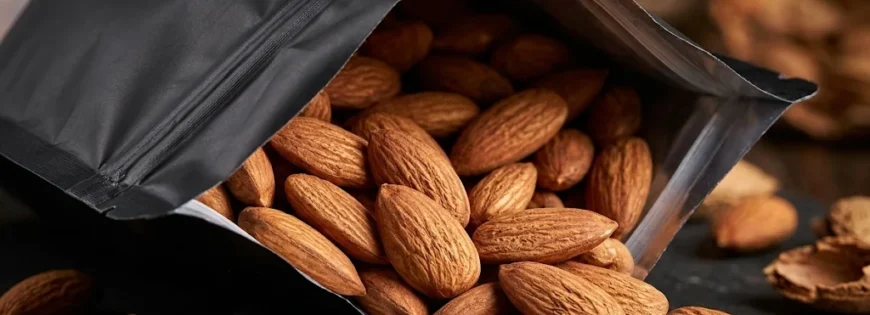
Open any Pakistani kitchen in winter and you will probably find a bowl of soaked almonds sitting on the counter overnight. Mothers and grandmothers swear by it. Gym friends say raw is fine. Online articles argue both sides, and most of them do not agree on the facts.
So here is a plain look at what soaking does and does not change, how to do it, and when raw almonds are the better pick.
Short answer: Soaked and raw almonds have almost the same nutrients. Soaking mainly makes almonds softer, less bitter and a little easier to chew. Raw almonds stay crunchy and keep their skin intact. Neither is “better” for everyone, so pick the texture you enjoy and will eat regularly.
What are soaked almonds, and why do people soak them?
Soaked almonds are whole almonds left in water for roughly 8 to 12 hours, usually overnight. The water softens the nut and loosens the brown skin, which many people peel off before eating.
The habit is old and widespread across South Asia. People do it for three main reasons: softer texture, milder taste, and the belief that soaking makes almonds easier to digest.
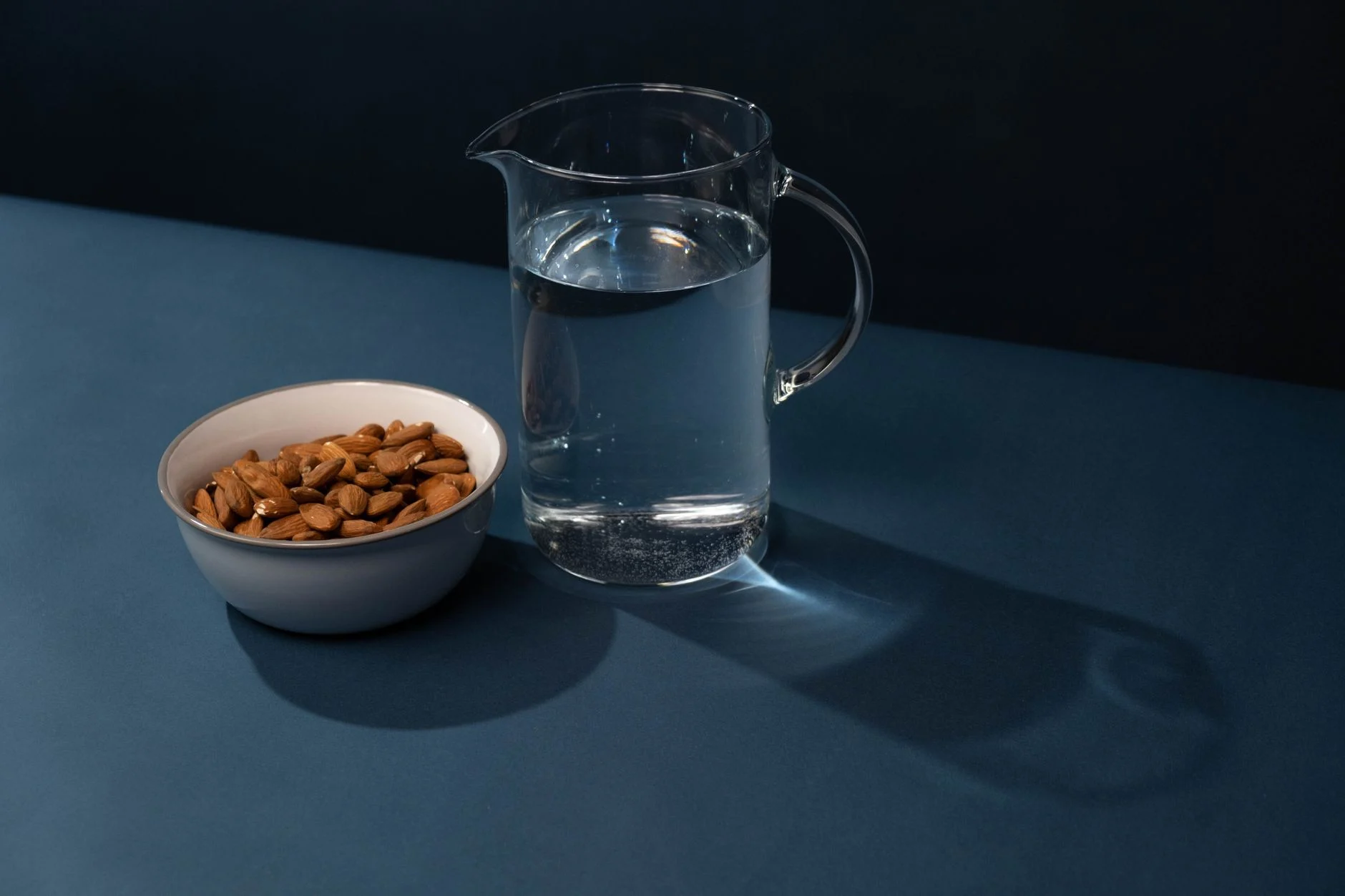
The first two reasons are easy to check. Put a soaked almond next to a raw one and you will notice the difference right away. The third one is where the story gets more complicated.
Do soaked almonds have more nutrients than raw almonds?
Not in any way that matters much. According to USDA data, a 28 g serving of raw almonds (about 23 kernels) has roughly 164 calories, 6 g of protein, 14 g of fat, 3.4 g of fibre, 7.3 mg of vitamin E and 78 mg of magnesium. Soaking does not add to those numbers.
The usual argument for soaking is phytic acid, a natural compound in nuts and seeds that can bind minerals. In the studies summarised by Healthline, soaking whole almonds for up to 24 hours lowered phytic acid by less than 5 percent. Another study found almost no change in how available iron, calcium, magnesium, phosphorus or zinc were after soaking whole almonds.
So the claim that soaking “unlocks” the nutrition in almonds is not well supported. The nuts are nutritious either way.
Are soaked almonds easier to digest?
Softer almonds are easier to chew, and some people find them gentler on the stomach. That is a personal experience, though, not a proven effect. An eight-week study in adults found that eating soaked almonds did not improve digestive symptoms compared with raw ones.
If raw almonds sit heavy for you, try soaked ones or chew the raw ones more slowly. If both feel fine, you have no reason to change anything.
What does soaking change about taste and texture?
This is where soaking really shows. Raw almonds are hard and a bit bitter, because the skin carries tannins. Soaked almonds turn soft, milder and slightly buttery, and the peeled ones feel smooth.
There is one trade-off. The brown skin contains polyphenols, which are plant antioxidants. If you peel soaked almonds, you throw those away. Keeping the skin on is perfectly fine, so peel only if you prefer the smoother bite.
How do you soak almonds properly?
The method is simple, and you only need a bowl and water.
- Put a handful of almonds in a bowl and cover them with clean water. Warm tap water works, and a pinch of salt is optional.
- Leave them for 8 to 12 hours, for example overnight on the counter.
- Drain, rinse and pat the almonds dry. Peel them if you like.
- Eat them within a day, or keep them in an airtight container in the fridge for a couple of days.
Do not leave them soaking for days. Wet nuts can spoil quickly, especially in a warm kitchen. If you want crunch back, you can dry them in a low oven, but that takes many hours and most people simply eat them soft.
How many almonds should you eat a day?
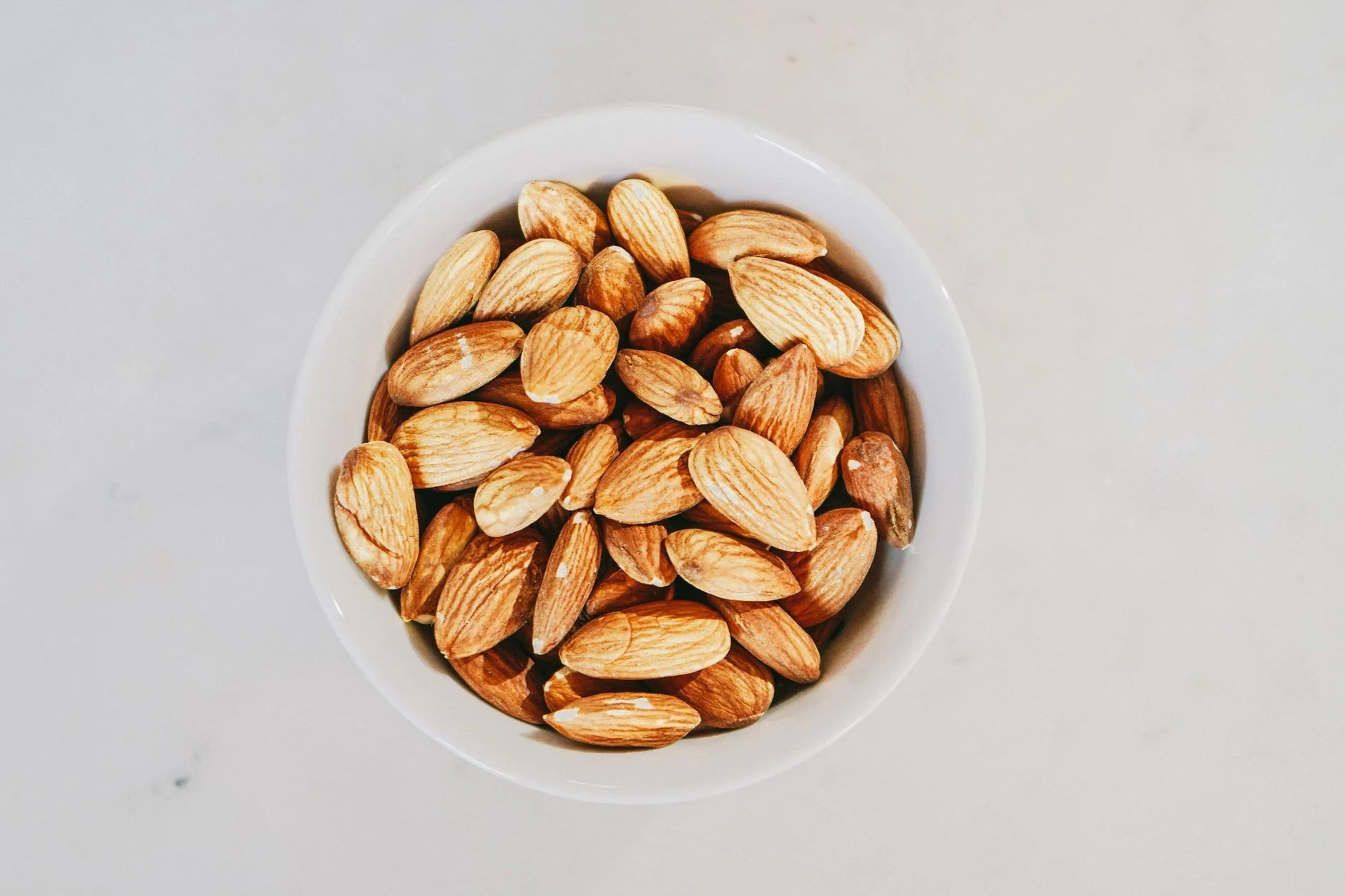
A small handful, about 23 almonds or 28 g, is a common serving size and the one the USDA figures above refer to. Almonds are calorie dense, so a handful is plenty as a snack. The same serving works whether the almonds are soaked or raw.
When are raw almonds the better choice?
Raw almonds win on convenience. You can carry them in a bag, eat them at your desk and skip the overnight planning. They also stay crunchy, which many people prefer in salads, trail mix and baking.
Soaked almonds suit mornings at home, when you can prepare them the night before. Plenty of households do both: soaked almonds with breakfast and a few raw ones as an afternoon snack. The nutrition stays about the same, so use whichever fits your day.
What are good ways to eat soaked or raw almonds?
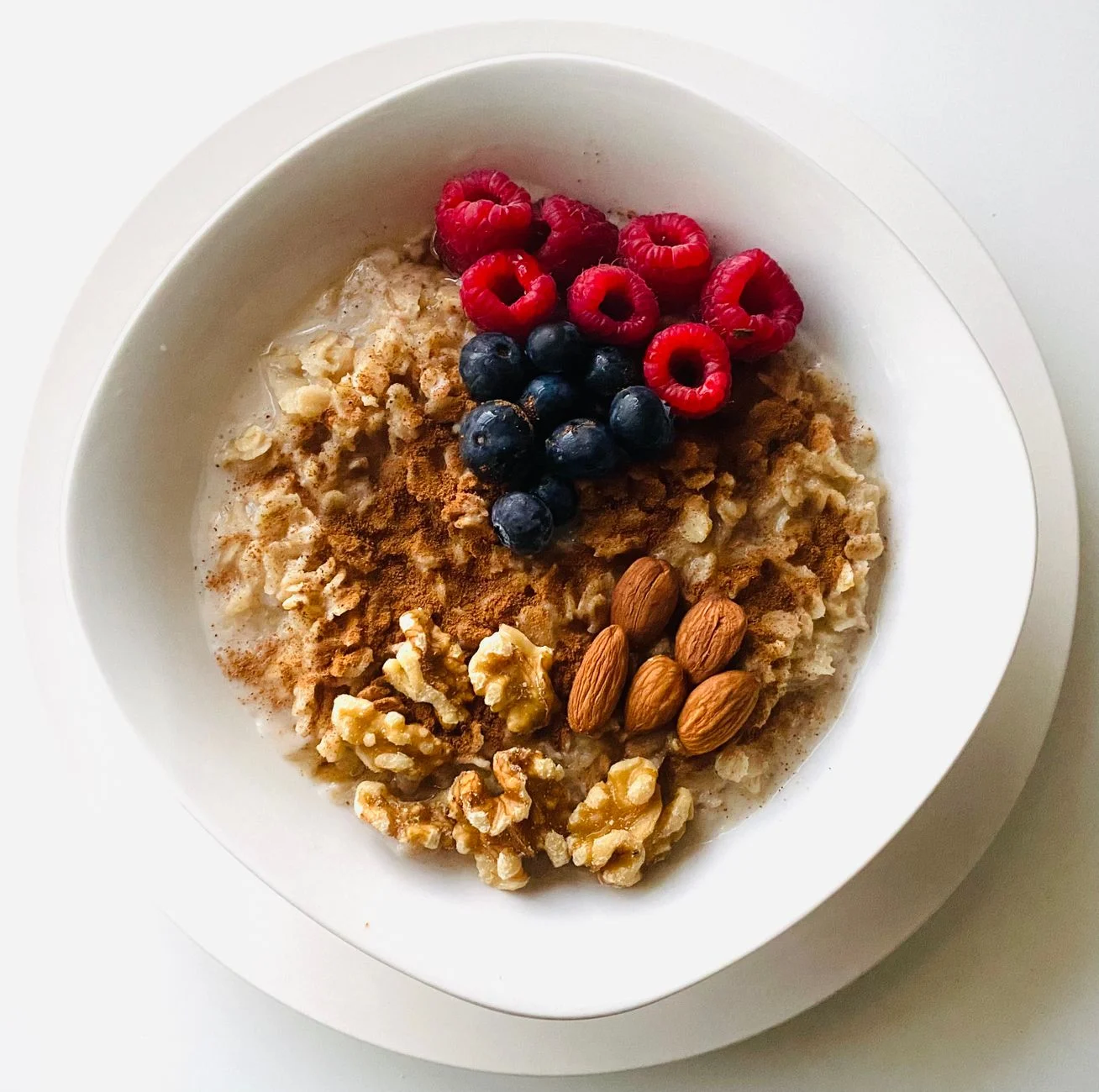
Soaked almonds are great chopped over yogurt, blended into smoothies, or stirred into warm milk. Raw almonds suit a pocket snack, trail mix, or a topping for oatmeal and salads.
If you want something in between, our organic almond butter spreads on toast and mixes into porridge without any soaking at all.
How should you store almonds so they stay fresh?
Whole almonds keep best in an airtight jar in a cool, dry place away from the stove and sunlight. In humid weather, the fridge is safer. We cover this in more detail in our guide on how to store nuts and dry fruits so they stay fresh.
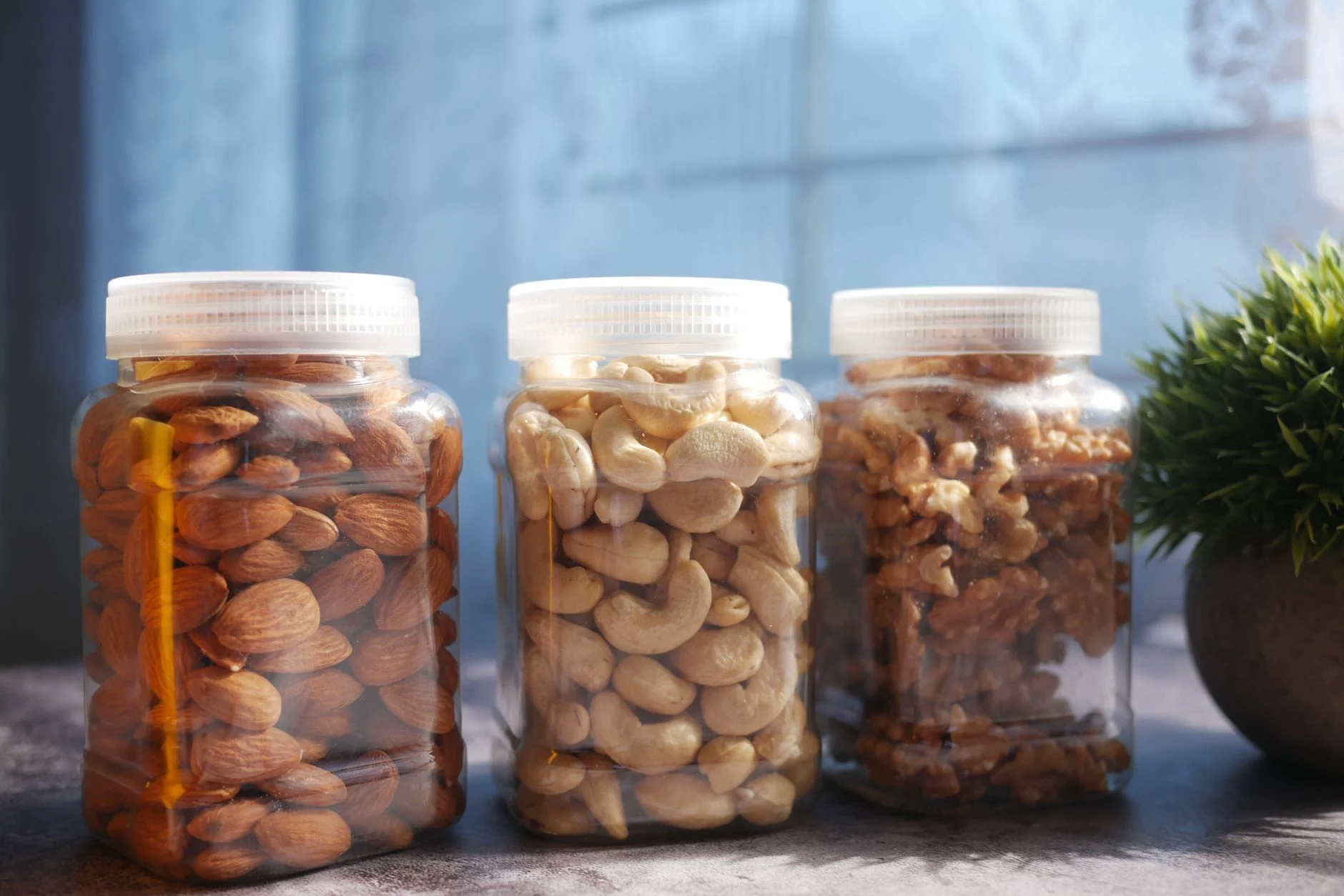
Buy only the amount you will finish in a few weeks, and soak only what you will eat that day.
Which almonds should you buy for soaking?
Any whole almond works. Variety changes size, price and taste more than it changes the soaking. If you are comparing types, our post on Irani vs American almonds explains the differences.
At Organio we keep things simple. Our almonds come whole, in their skin, and you can see exactly what you are getting. You can browse the premium Irani almonds or the full nuts and dry fruits range.
Our view: soak them if you like the soft texture, eat them raw if you like the crunch. What matters more is that you eat a handful regularly, as part of a balanced diet.
FAQ
Should almonds be soaked overnight?
You can, but you do not have to. Soaking for 8 to 12 hours softens almonds and mellows the taste. Nutrient levels stay close to those of raw almonds.
Do you have to peel soaked almonds?
No. The skin is safe to eat and contains polyphenols. People peel it for a smoother texture and a less bitter taste.
How long can soaked almonds be stored?
Eat them the same day if you can. If not, drain them, dry them well and keep them in an airtight container in the fridge for up to two days.
Is it okay to eat raw almonds every day?
Raw almonds are a regular snack for many people. A small handful of about 28 g is a typical serving. If you have a nut allergy, avoid them entirely.
Can you soak almonds for more than 12 hours?
It is better not to. Longer soaking gives no clear benefit and wet nuts can go off, especially in warm weather. Twelve hours is a safe upper limit.