
You open the kitchen cupboard on a cold December morning and your cold pressed coconut oil has turned into a white, hard block. Some people assume it has spoiled. Others suspect it was never real coconut oil. Usually neither is true, and the fix takes about two minutes.
Yes, this is normal. Coconut oil melts at about 78°F (roughly 25°C), so in a cool winter kitchen it sets solid and turns white. It has not gone bad. Place the closed jar in a bowl of warm water for a few minutes and it turns clear and liquid again.
Why does cold pressed coconut oil turn solid in winter?
Coconut oil is almost entirely fat, and most of that fat is saturated. Harvard’s Nutrition Source puts it at 80 to 90 percent saturated fat, with lauric acid making up about 47 percent. Saturated fats pack tightly together when they cool, which is why coconut oil behaves more like butter than like mustard or olive oil.
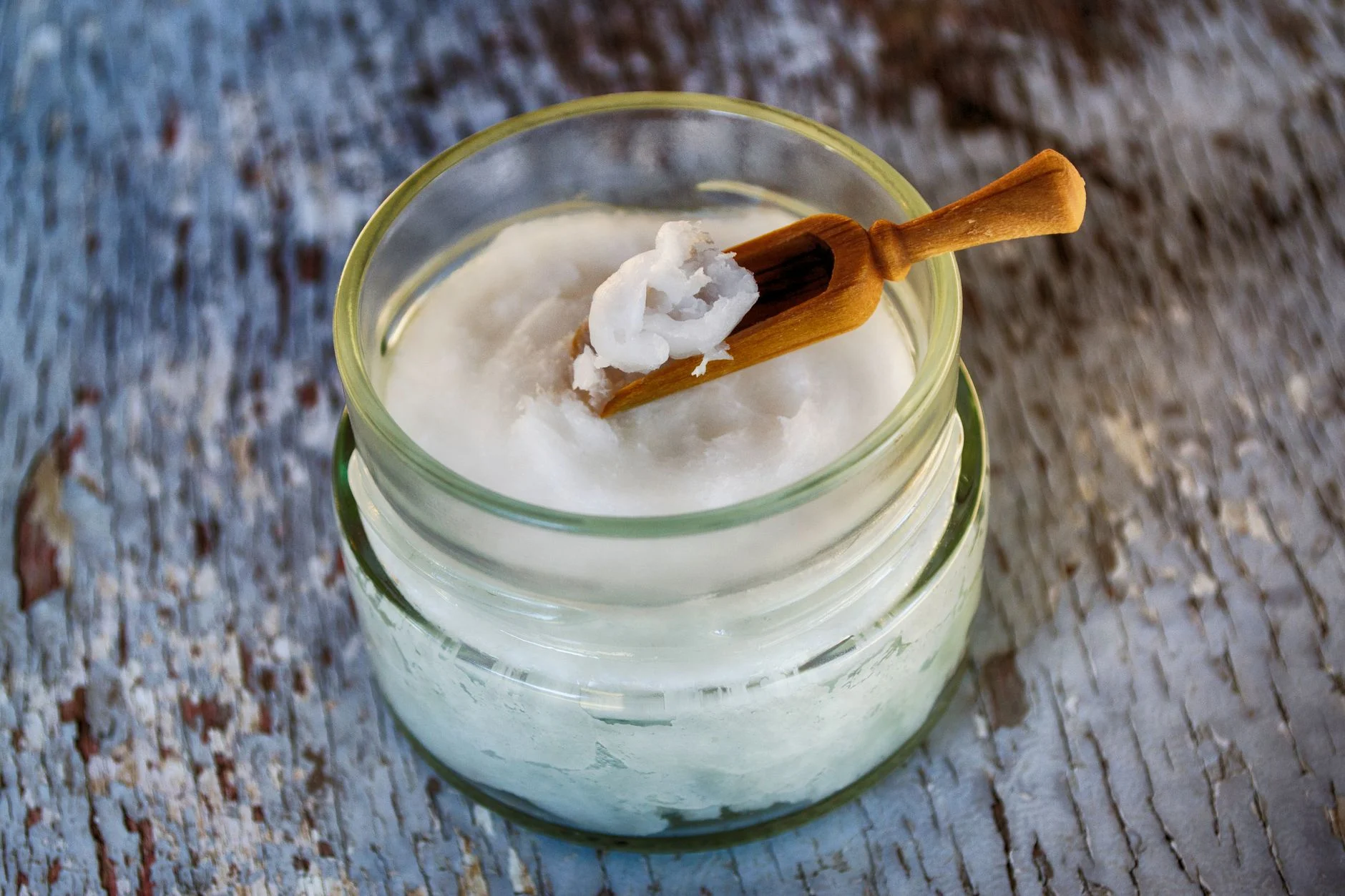
The same Harvard page gives the melting point as 78°F. In the cooler months many homes in Punjab, Khyber Pakhtunkhwa and Islamabad fall below that, especially at night, so the oil in your cupboard sets. On a warm afternoon it can soften again, and a jar that is half solid and half liquid is perfectly ordinary.
Does solid coconut oil mean it is fake or spoiled?
No. Setting hard only tells you the room is cold. It does not prove the oil is pure, and it does not mean the oil has gone off. A real problem looks different:
- Fresh coconut oil smells mild and coconutty. A sharp, stale or paint-like smell points to rancid oil.
- Mould, water droplets inside the jar or dark specks mean the jar has been contaminated, which can happen when a wet spoon goes in.
- A bitter or soapy taste is another reason to throw it out.
If the oil is white, smooth and smells fresh, it is fine to use.
What does “cold pressed” actually mean for coconut oil?
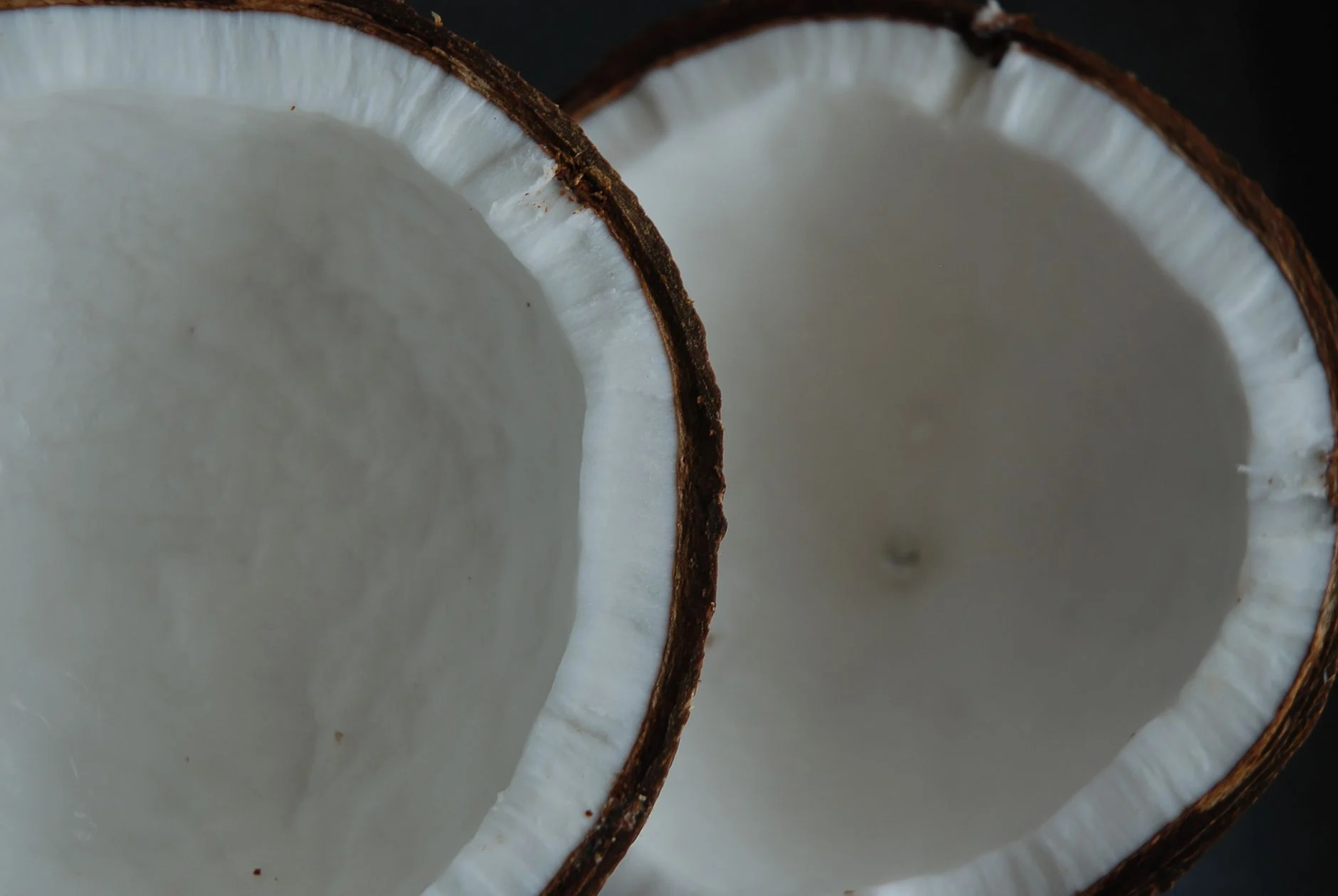
Cold pressed oil is squeezed mechanically out of coconut meat, without chemical solvents. The University of Florida’s IFAS Extension describes virgin coconut oil as the least refined type available, one that keeps the scent and taste of coconut. Refined oil goes through clay bleaching and heat deodorizing, which removes most of the aroma and flavour.
In the kitchen, cold pressed oil tastes and smells like coconut, while refined oil is close to neutral. Both turn solid in the cold, because the melting point comes from the fat itself and not from how the oil was processed.
How do you melt solid coconut oil safely?
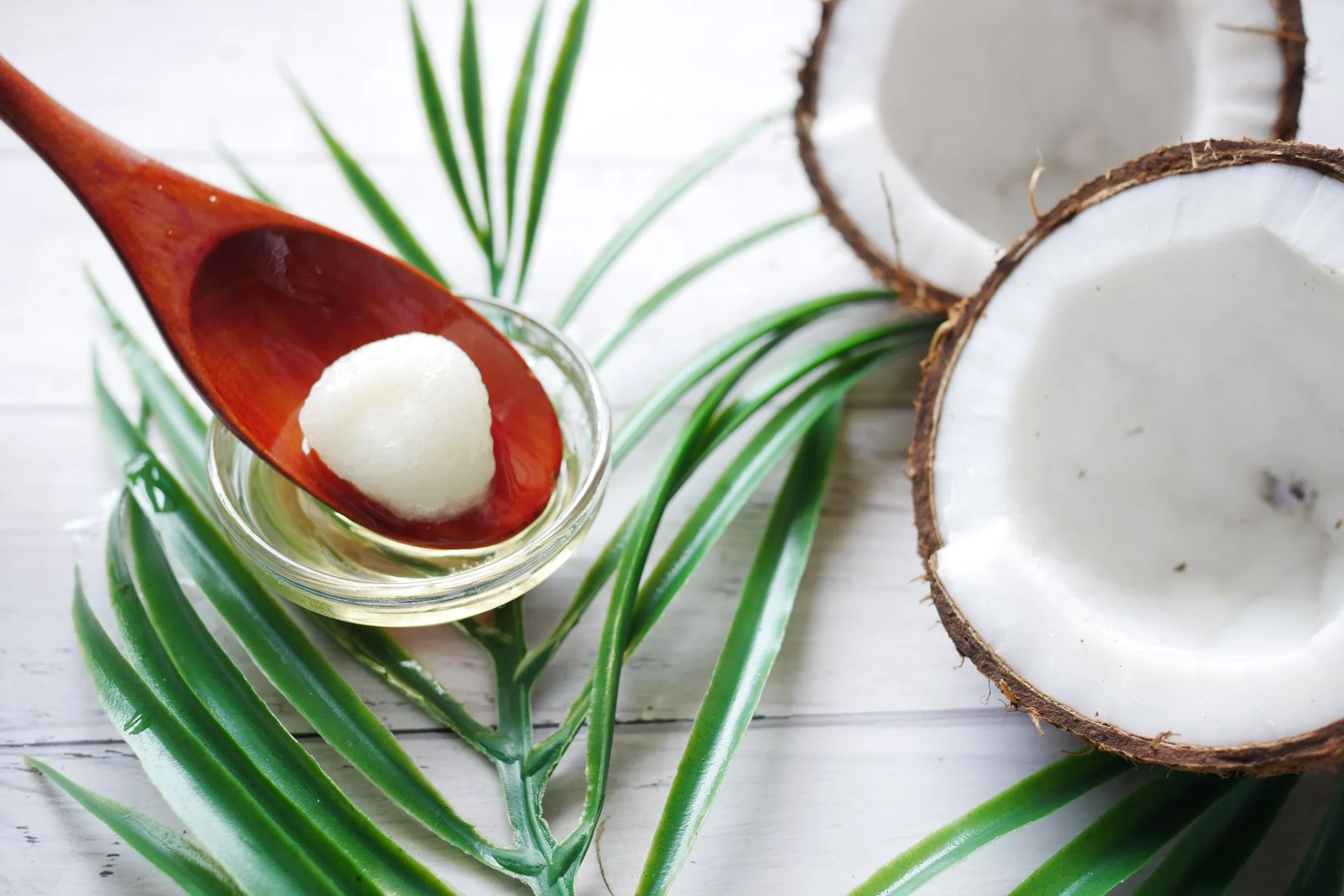
You do not need strong heat. The oil is only a few degrees below its melting point, so gentle warmth does the job.
- Fill a bowl with warm tap water, not boiling water.
- Close the lid tightly so no water gets into the oil.
- Stand the jar or bottle in the bowl for five to ten minutes.
- Shake or swirl it once the oil turns clear.
If you only need a spoonful, skip all that. Scoop out the solid oil with a clean, dry spoon and let it melt in a warm pan. Keep the jar away from direct flame and strong sunlight, since heat and light are hard on any stored oil.
Can you cook with cold pressed coconut oil?
Yes, within limits. Virgin or unrefined coconut oil has a smoke point of about 350°F (177°C), according to both Harvard and Healthline. Refined coconut oil handles 400 to 450°F. Harvard says the virgin type suits quick sautéing or baking but not deep frying.
Check the label before you start. If it says virgin or unrefined, treat it as the 350°F kind. Some practical ways to use it in a winter kitchen:
- Sauté vegetables or eggs over medium heat.
- Bake with it. When replacing butter, Harvard suggests using 25 percent less coconut oil than the recipe lists for butter.
- Stir a small spoonful into warm oats or porridge.
- Blend it into smoothies, where the solid oil breaks up easily.
Because it is so high in saturated fat, Harvard describes coconut oil as best used in small amounts, as a periodic alternative to other oils. If you want another everyday option, our guide to cold pressed olive oil explains how to choose and use it.
How should you store coconut oil in winter and summer?
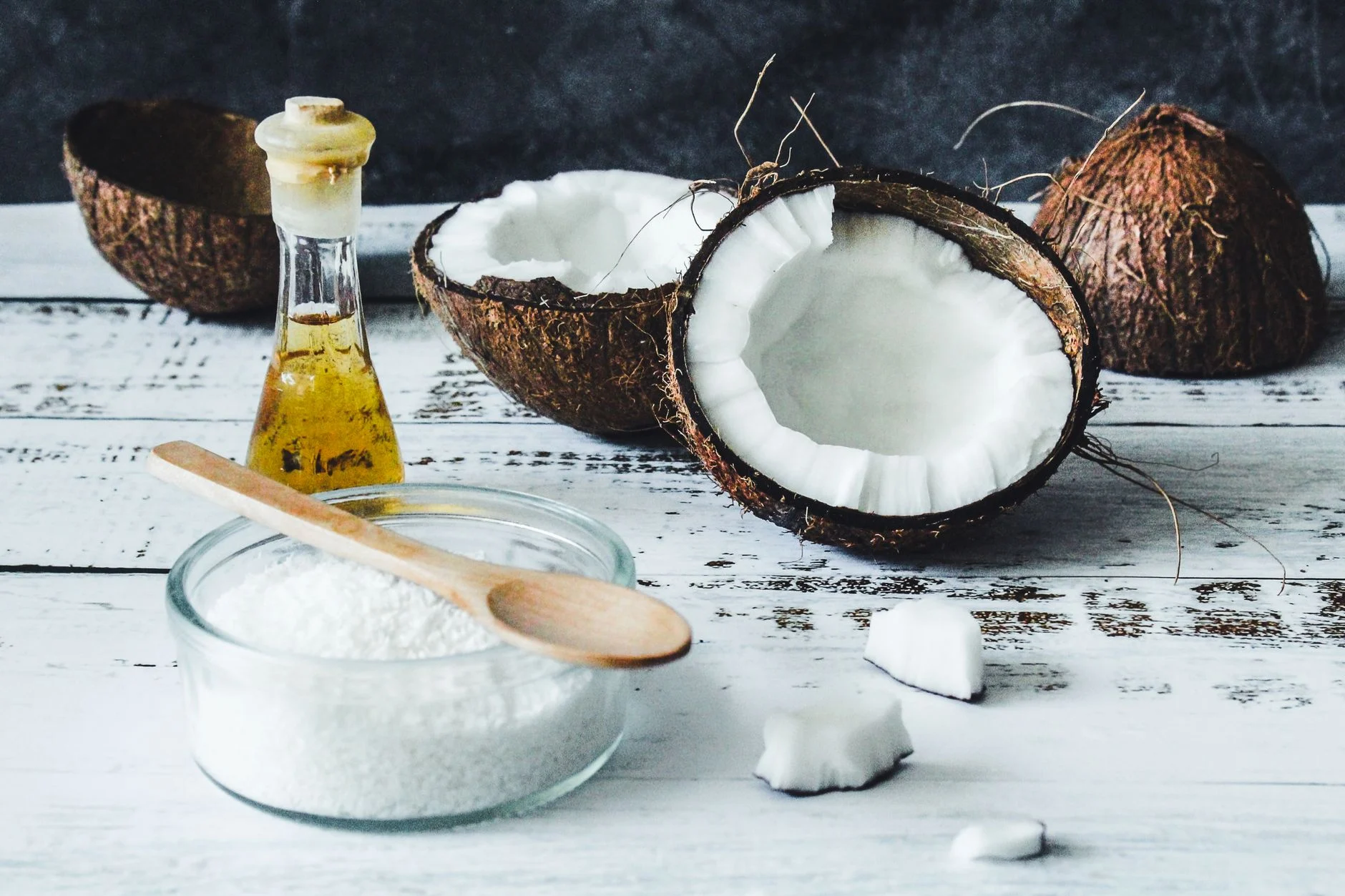
Temperature changes the texture of the oil. Moisture, heat and light are what you want to keep away from it.
- Keep the lid tightly closed after every use.
- Use only a clean, dry spoon, because a wet one can bring in water and mould.
- Store it in a cool, dark cupboard away from the stove.
- In winter, leave it solid. In summer, expect it to turn liquid.
Nuts and dry fruits have storage rules of their own, which we cover in our post on how to store nuts and dry fruits so they stay fresh.
What is Organio’s view on solid coconut oil?
Our advice is simple. If the jar is solid, check the smell, warm it gently and carry on. We would rather you know what normal looks like than throw away a good bottle.
If you are looking for a cold pressed option, you can see our coconut oil or browse the full range of cold pressed oils. It comes in a 250 ml bottle, and if it sets solid in your cupboard this winter, the warm-water method above works for it too.
Frequently asked questions
Is it okay to use coconut oil when it is solid?
Yes. Solid coconut oil is the same oil in a different state. Scoop it with a clean, dry spoon, or melt it in a pan or a warm water bath.
At what temperature does coconut oil melt?
Harvard’s Nutrition Source gives the melting point as 78°F, which is about 25°C. Below that it starts to set, and above it the oil turns clear.
Can I deep fry with cold pressed coconut oil?
It is not a good choice. Virgin coconut oil has a smoke point of about 350°F (177°C), and Harvard says it suits quick sautéing and baking rather than deep frying. For high-heat frying, a refined oil with a higher smoke point is a better fit.
How much coconut oil should I use instead of butter?
Harvard’s guidance is to use about 25 percent less coconut oil than the amount of butter in the recipe. If a recipe calls for 100 grams of butter, start with about 75 grams of coconut oil.
How can I tell if coconut oil has gone rancid?
Smell it. Fresh oil smells mildly of coconut. A sharp, stale or paint-like smell, a bitter taste, or visible mould means it is time to throw it out.
Sources: Harvard T.H. Chan School of Public Health, The Nutrition Source (coconut oil); University of Florida IFAS Extension, publication FS289; Healthline (refined vs unrefined coconut oil).