Walk into any dry fruit shop in Pakistan and you will see four or five almond bins with four or five prices. The labels say Irani, American, Khaira Deeni, Abdul Wahidi, and nobody explains what separates them. If you have ever wondered about Irani vs American almonds, you are in good company. This guide sorts out what actually differs, what does not, and how to pick the right bag for the way you plan to use it.
Irani and American almonds are both sweet, edible almonds, and their nutrition is broadly similar. The differences are origin, size, shape, taste and price. Choose by use: snacking and soaking, baking, or gifting. Then judge each bag on freshness, since a fresh almond of any variety beats a stale one.
Why is it so hard to choose between almond varieties?
Most labels name a country or a trader’s term, and neither tells you how an almond tastes or how it will behave in your kitchen. “Irani” points to Iran. “American” points to the United States. “Khaira Deeni” and “Abdul Wahidi” are names from the local trade, and they mean little unless someone has handled all four side by side.
Almonds are also sold loose, scooped from open sacks, and you rarely get to taste before you pay. So people fall back on price or on whatever the shopkeeper recommends. That works until you bring home a kilo of dull, slightly stale nuts. A stale almond tastes flat whatever its name says.
Pakistan grows almonds too, mainly in Balochistan, and still imports more to meet demand, according to a Dawn report on almond production and nutrition. That mix of local and imported stock is why the bins look so different from shop to shop.
What is the difference between Irani vs American almonds?
Start with origin. Irani almonds come from Iran and American almonds come from the United States. Both are the sweet type that people eat, so you are choosing between two good options.
At home, the differences you notice come down to three things:
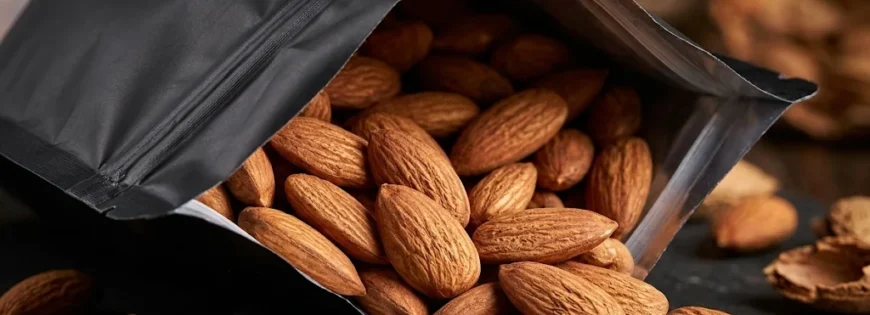
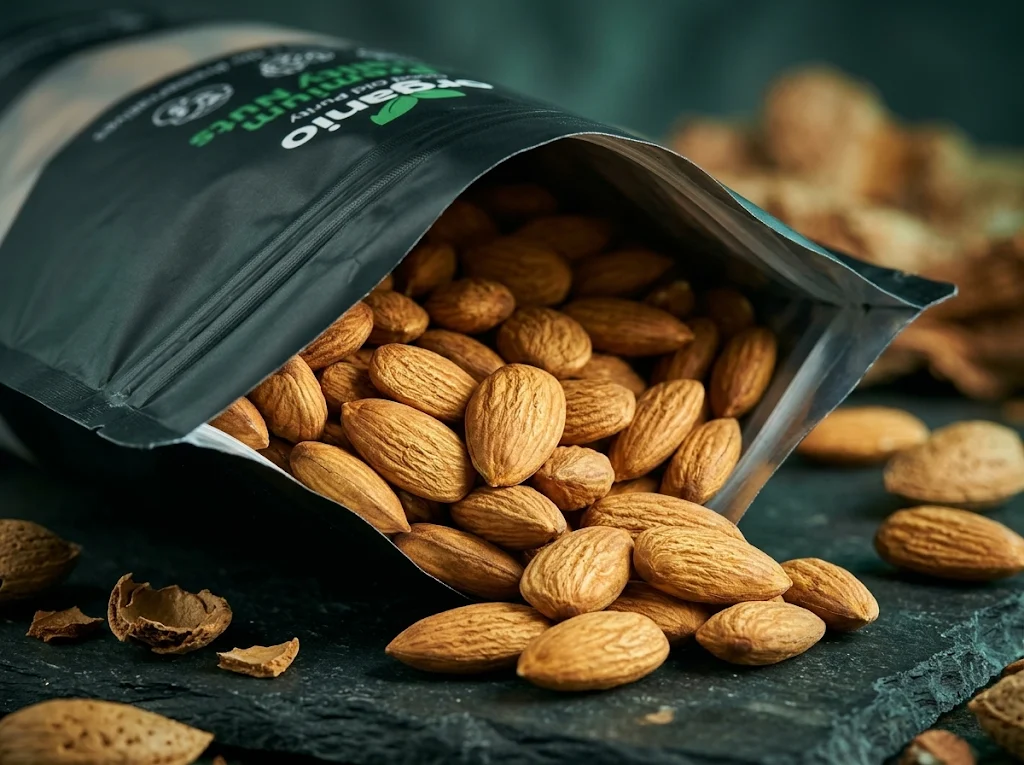
- Look and size. Each crop and grade has its own usual shape and skin colour. Size tells you about grading, not flavour, so do not judge by it alone.
- Taste. Flavour is personal and shifts from crop to crop. Our Irani almonds are described as slightly earthy with a smooth texture, and our American almonds work as an everyday nut for snacking, smoothies and baking.
- Price. Imported almonds can shift in price with import costs, which is one reason the same bag costs different amounts at different times of year.
Nobody can tell you one is better for everyone. Buy a small pack of each and taste them side by side.
Where do Khaira Deeni and Abdul Wahidi almonds fit in?
These two names confuse people the most. The Khaira Deeni almonds we stock are Afghan, and our product page describes them as slightly earthy with a smooth texture. Our Abdul Wahidi almonds are described as Himalayan-grown.
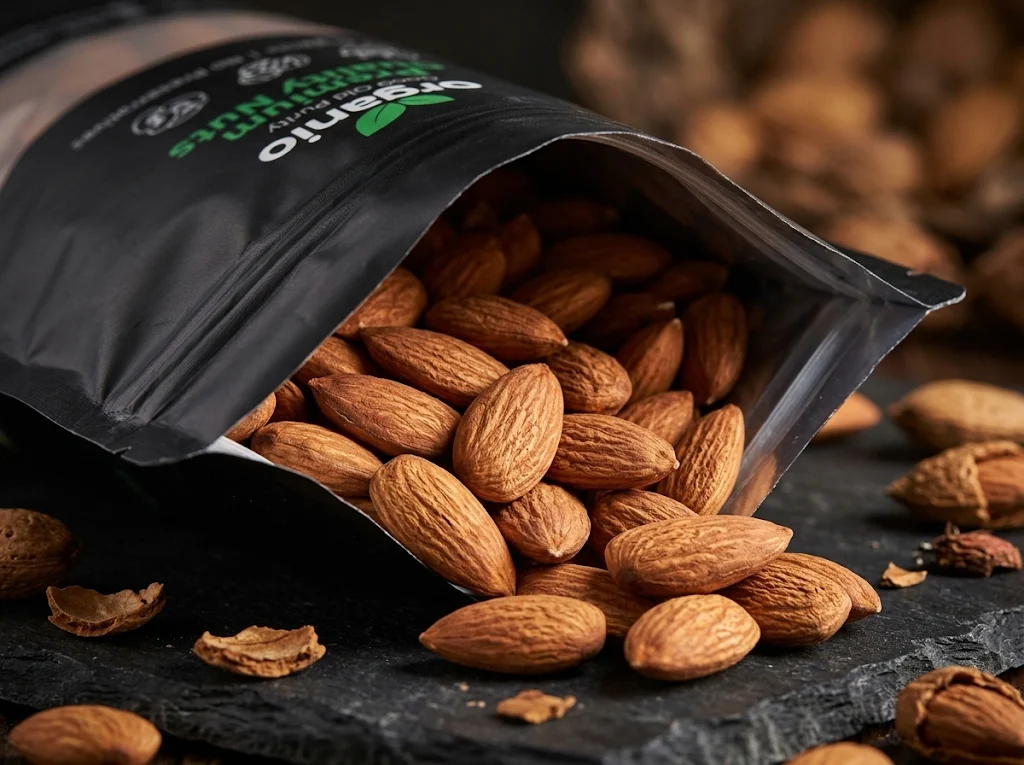
Trade names can mean slightly different things depending on who sells them, so ask the seller where a lot comes from. You can also check the almond in your hand. Look for clean, uniform kernels with no musty smell and no shrivelled pieces.
Do almond varieties differ in nutrition?
Not in any way you can rely on when shopping. A one-ounce (28 g) serving of almonds gives roughly 6 g of protein and 4 g of fibre, about 7.3 mg of vitamin E (around 50% of the daily value) and 76 mg of magnesium (around 20%), according to the Almond Board of California. Most of the fat is unsaturated, the kind that fits into a heart-healthy diet.
Those figures describe almonds in general. We could not find a reliable side-by-side comparison of these four varieties, and nutrient levels shift with crop, soil and season. So we do not claim that any one of them is more nutritious. Pick on taste, texture and freshness.
How do you pick almonds for snacking, soaking and baking?
Match the almond to the job and the choice gets easier.
- For snacking and soaking, choose the almond whose flavour you enjoy most raw. If you soak and peel almonds overnight, kernels of similar size soak evenly, so a uniform bag helps.
- For baking and desserts, almonds get chopped, toasted or ground, so small flavour differences matter less. A dependable everyday almond is plenty.
- For gifting, go for the most even, good-looking kernels you can find and pack them in a sealed pouch or tin.
- For homemade almond butter, fresh almonds blend into a smoother, better-tasting butter, so freshness counts for more than variety.
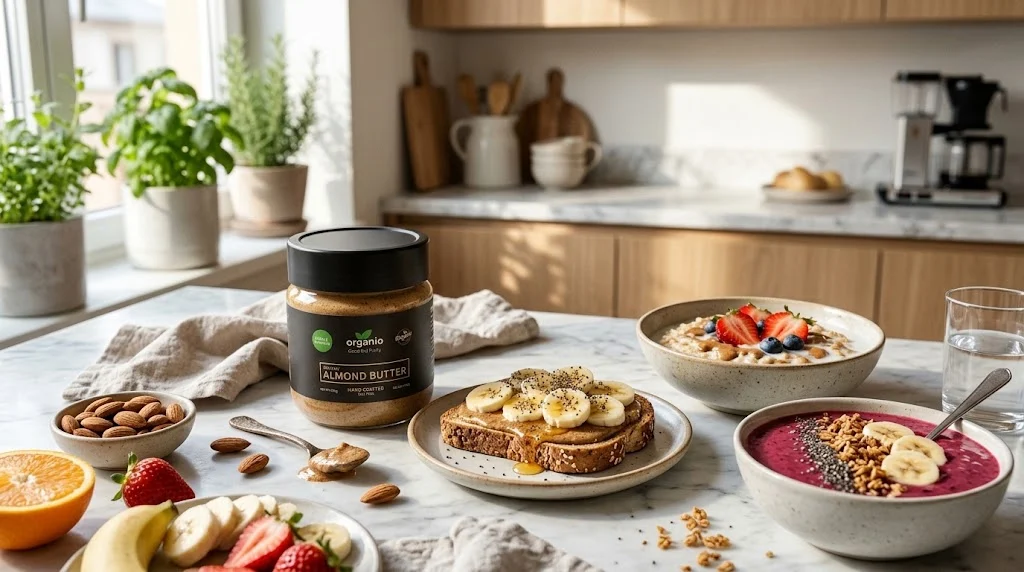
If you would rather skip the grinding, Organio almond butter is ready to spread. Otherwise, a handful of whole almonds with breakfast is the simplest way to use them up.
How can you check almond quality and store them properly?
Before you buy, look and smell. Fresh almonds smell lightly nutty and sweet. A sharp, paint-like or stale-oil smell means the oils have gone off. Skip bags with dark spots, visible mould, tiny holes or a pile of dust at the bottom.
Then taste one. Eating almonds are the sweet type. Bitter almonds contain hydrogen cyanide and should not be eaten raw, as the Dawn report above notes. If a nut tastes sharply bitter, spit it out and take the bag back.
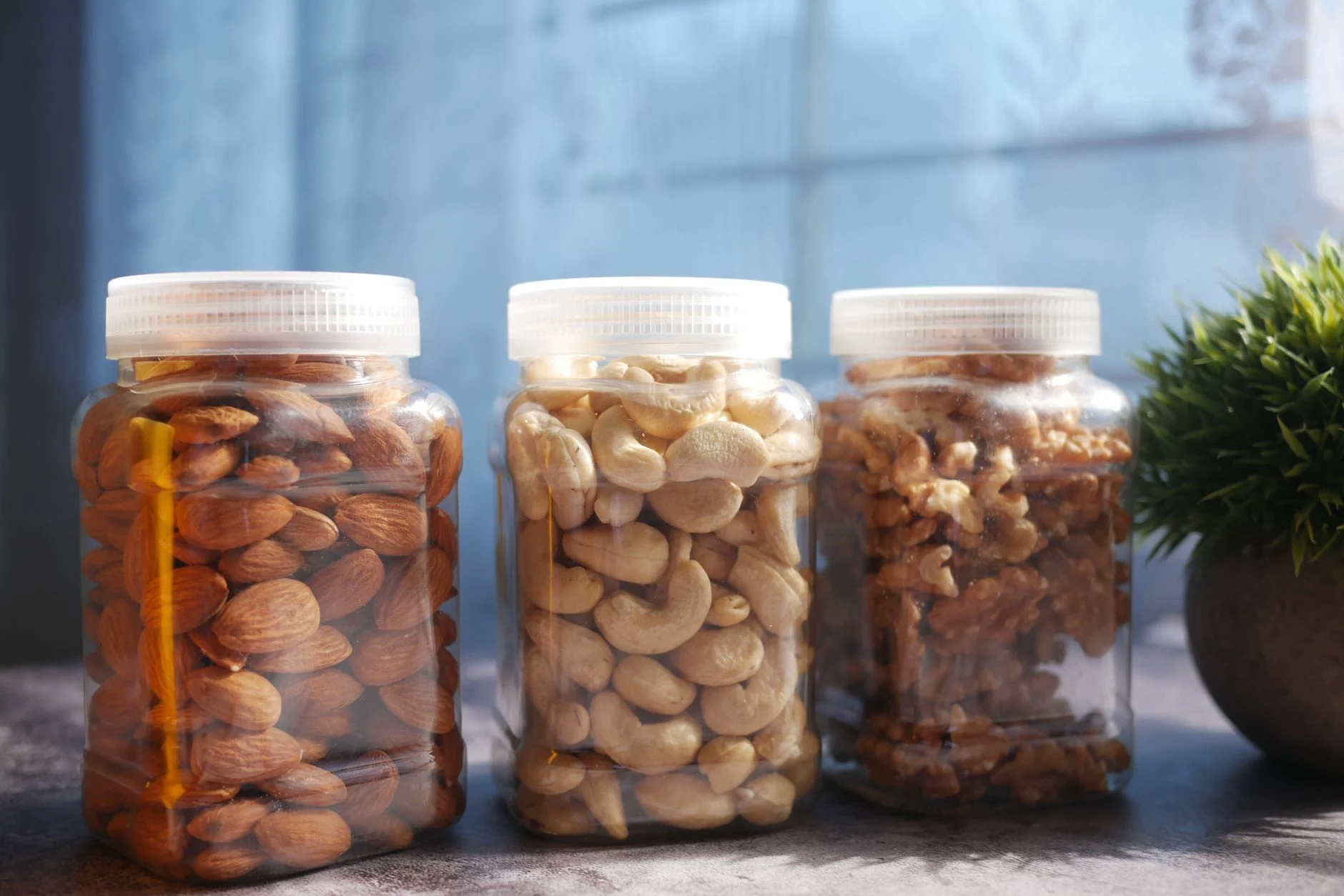
At home, move almonds into an airtight jar and keep it somewhere cool, dry and dark, away from the stove. Nuts hold a lot of natural oil, so heat, light and air shorten their life. Our guide on how to store nuts and dry fruits so they stay fresh covers jars and fridge storage in more detail.
What is Organio’s take on Irani vs American almonds?
We stock all four, because each has a place in a Pakistani kitchen. Irani and Khaira Deeni suit people who like a more traditional, slightly earthy almond. American almonds suit a family that wants a dependable everyday nut. Abdul Wahidi is for those who prefer Himalayan-grown almonds.
What we care about most is the part you cannot read on a label. Our nuts are packed in resealable, airtight pouches so they reach you crisp, with no additives or preservatives. Try one pack of each variety, keep notes, and settle on the one your family finishes first.
FAQ: Irani vs American almonds
Which is better, Irani or American almonds?
Neither wins across the board. Both are sweet, edible almonds with similar general nutrition. Irani almonds are often chosen for a traditional, slightly earthy taste, while American almonds are a popular everyday choice. Taste a small pack of each and decide for yourself.
Are Khaira Deeni almonds the same as Irani almonds?
Not necessarily. On our site, Irani almonds are sourced from Iran and Khaira Deeni almonds are Afghan. The names are trade terms, so ask the seller where a specific lot comes from.
Do I need to soak almonds before eating them?
No. Almonds can be eaten raw straight from the pouch. Some people soak them overnight and peel the skins because they prefer the softer texture, which is a matter of taste.
How long do almonds stay fresh?
It depends on storage. In an airtight container kept cool, dry and away from light, they stay fresh much longer than in an open bag. Heat and humidity shorten that, so always check the smell before eating.
Can I use any almond variety for almond butter?
Yes. Any fresh, sweet almond blends into butter. Lightly roasting them first brings out more flavour, and freshness matters more than the variety you start with.