Most of us have cracked open a pistachio and found something gummy, flat or faintly bitter. It usually isn’t the nut’s fault. Pistachios are rich in oil, and oil changes quickly when a nut sits in heat, light or air. Knowing how to spot fresh pistachios, and how to keep them that way, saves money and saves a snack.
Quick answer: Fresh pistachios snap cleanly, smell mildly sweet and nutty, and taste creamy with a green or pale-gold kernel. Stale ones feel soft or rubbery and smell like old oil, paint or cardboard. Store them airtight in a cool, dark place, and freeze what you won’t finish within a few weeks.
How do you spot fresh pistachios?
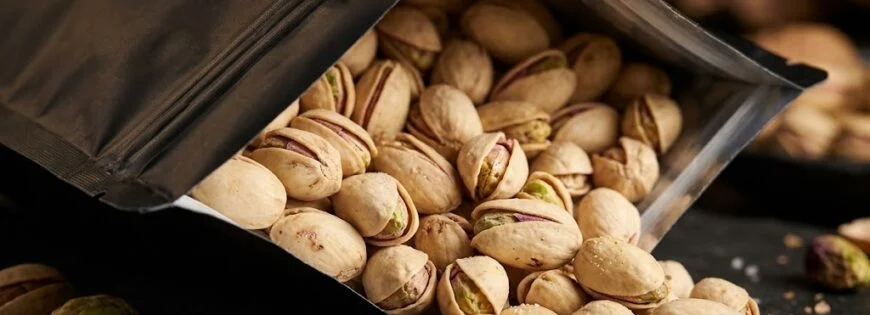
Start with the shell. A good in-shell pistachio is dry, and most of the shells have split open on their own. Fully closed shells are not a freshness problem, since some nuts simply never split, but a bag where most of them are shut is worth a second look. Shake the bag: the nuts should rattle slightly, not clump or feel damp.
Then check the kernel. Crack a few and look at the color. Pistachio kernels range from bright green to a paler yellow-green, depending on variety and ripeness, so color alone won’t tell you much. Texture matters more. A fresh kernel is firm and breaks with a clean snap. If it bends, feels chewy or leaves an oily film on your fingers, it has started to go.
Finally, smell and taste one. Fresh pistachios smell lightly sweet and nutty, and they taste creamy. Taste a single kernel before you serve a whole bowl to guests.
What do rancid pistachios smell and taste like?
Rancidity is the most common reason a pistachio tastes wrong. It happens when the fats in the nut oxidize. The smell is sharp and stale, often compared to old cooking oil, crayons or wet cardboard. The taste is bitter or sour, and it lingers at the back of the mouth.
Rancid nuts taste unpleasant and the quality is gone, so there is no reason to eat them. Throw out any batch that smells off. Also discard nuts with visible mold, black or fuzzy spots, or a musty smell. Mold is a different problem from staleness, and you should not try to pick out the clean ones.
Why do pistachios go stale so fast?
Here is the real problem. A pistachio kernel is high in fat. Per ounce, which is about 49 kernels, pistachios provide roughly 159 calories, about 6 grams of protein, 3 grams of fiber and around 13 grams of fat, most of it unsaturated. Unsaturated fats are the kind that react with oxygen, and heat speeds that reaction up. UC Davis postharvest researchers recommend keeping pistachios below about 10°C (50°F) and not letting them rise above 20°C (68°F) in storage, because warmer temperatures speed up oxidation of the oils.
That matters in Pakistan, where a kitchen shelf in summer can sit well above those temperatures. Humidity is the other enemy. Too much moisture invites mold, while very dry air makes nuts brittle. And because of their fat content, pistachios pick up smells easily, so a bag stored next to spices or onions can start to taste like them.
How should you store pistachios at home?
The goal is simple: keep them cool, dry, dark and sealed. In practice that means a few habits.
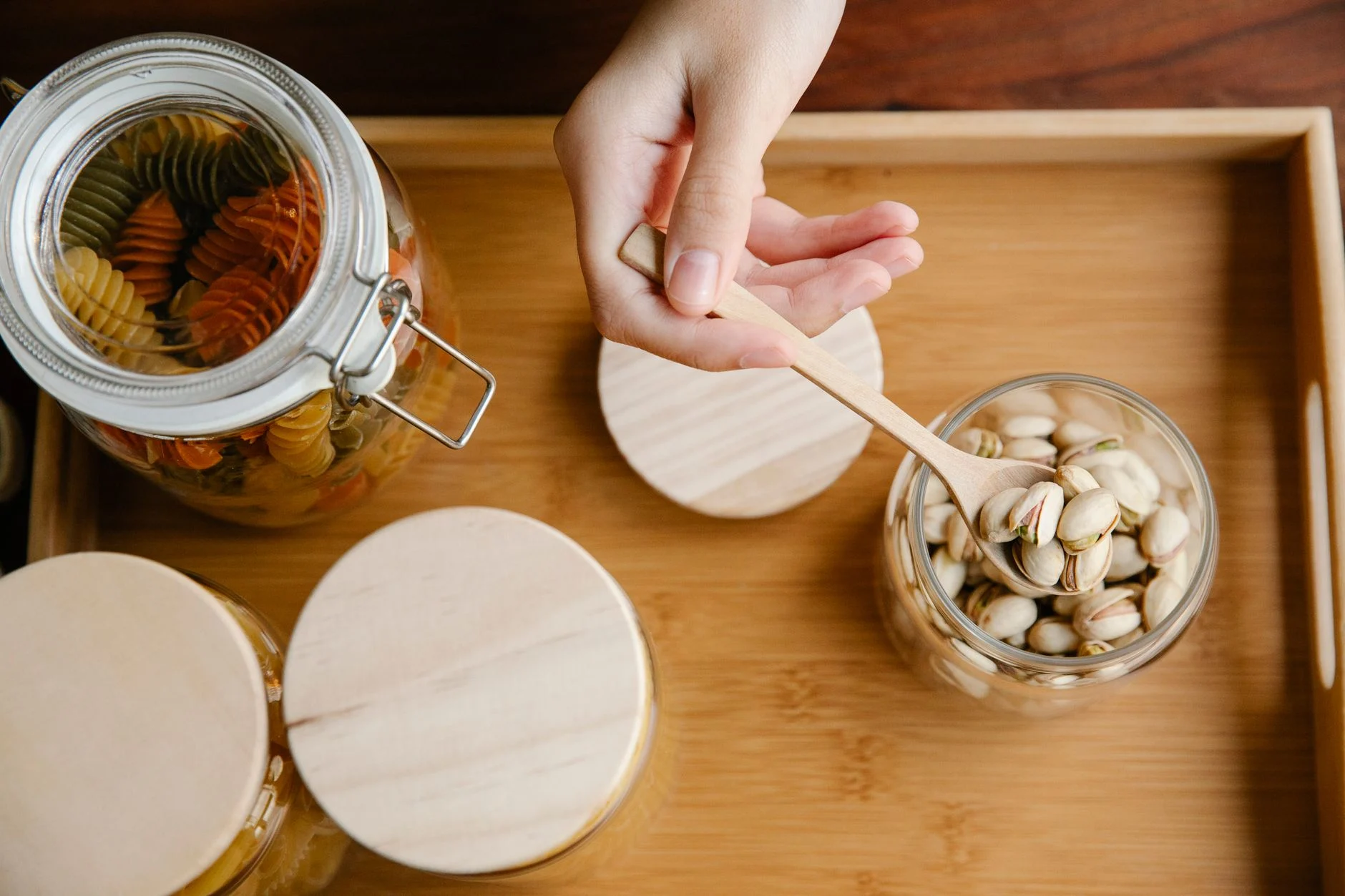
- Move them out of the original bag once it is opened, unless it reseals tightly. A glass jar with a rubber gasket or a good steel container works well.
- Pick a spot away from the stove, the oven and sunny windows. A closed cupboard on the cooler side of the kitchen is better than a shelf above the kettle.
- Keep them apart from strong smells such as spices, tea, onions and cleaning products.
- Use a dry spoon. Wet hands or a damp spoon bring moisture into the jar.
- Buy a quantity you will finish within a few weeks, then top up, instead of stocking a year’s supply at room temperature.
Our general guide to storing nuts and dry fruits covers the same rules for almonds, walnuts and cashews, so a single routine can cover your whole pantry.
Can you freeze pistachios?
Yes, and it is the best option for long storage. UC Davis notes that pistachios can be stored frozen for a year or longer and still remain in good condition. Use an airtight freezer bag with the air pressed out, or a rigid container, so the nuts don’t absorb freezer odors.
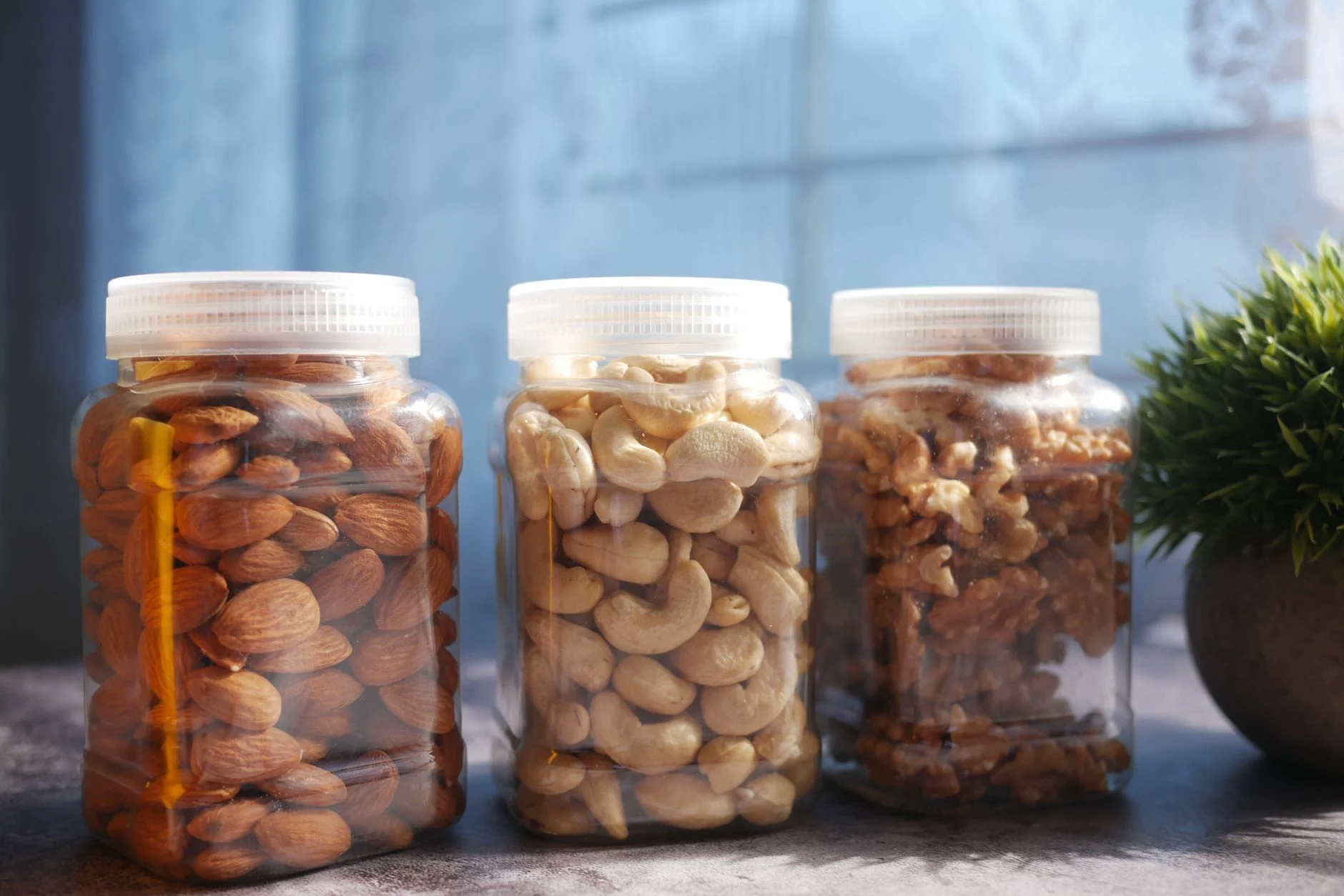
When you want some, take out a small portion and let it come to room temperature before opening the container. That avoids condensation on the nuts. Keep the main supply sealed in the freezer, and only move to the cupboard what you will eat in the next few weeks. In winter, a cool store room or the bottom shelf of the fridge can also work for short stretches, as long as the container is sealed.
How do you enjoy pistachios while they are at their best?
Fresh pistachios hardly need anything. A handful as a snack is the classic way, and shelling them slowly is part of the appeal. For something a little more, try these:
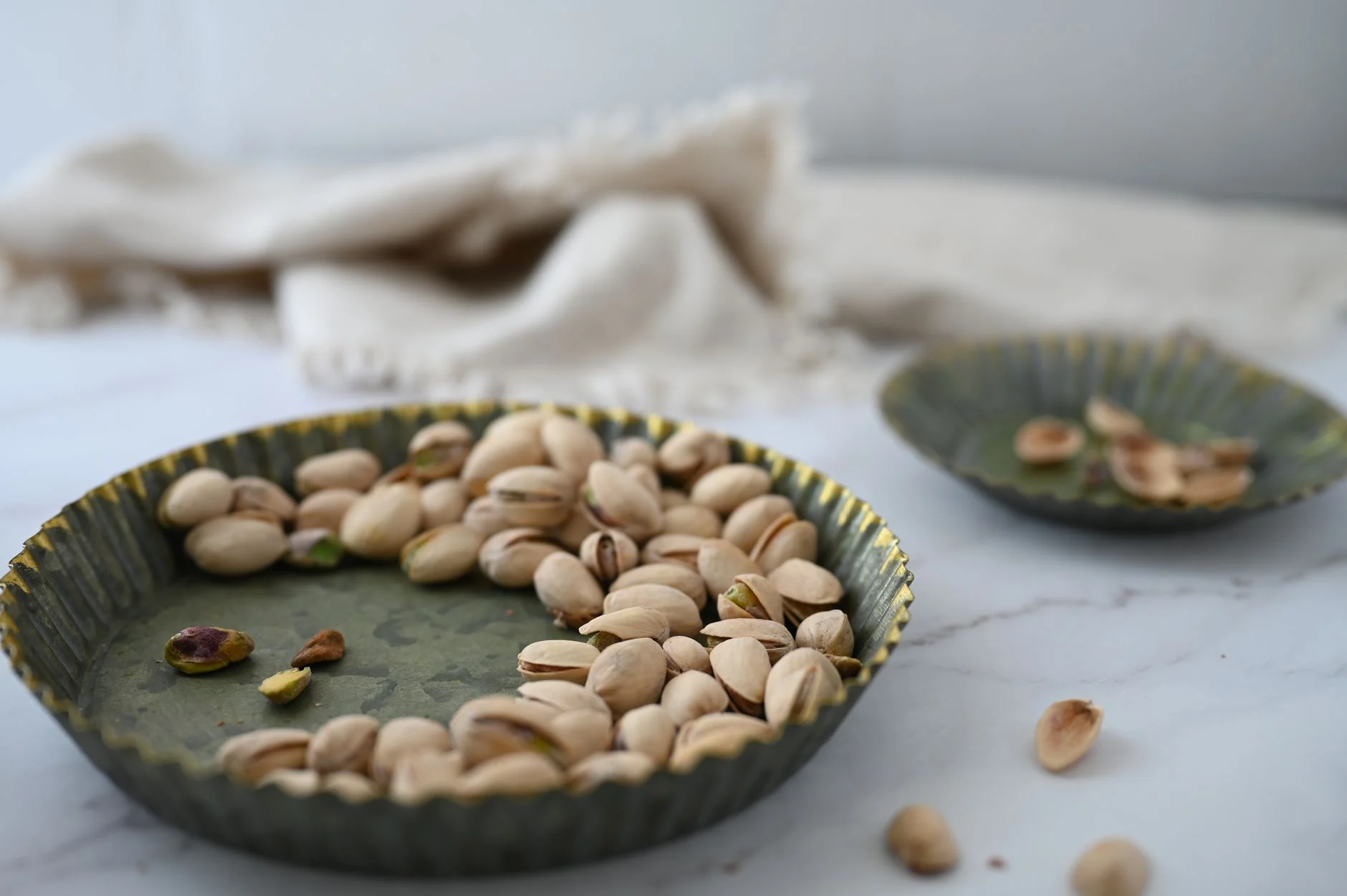
- Chop shelled kernels and scatter them over rice pudding, kheer or yogurt just before serving.
- Crush them coarsely and use them as a crust for baked chicken or fish.
- Add a spoonful to winter salads with oranges or pomegranate seeds.
- Grind them into baking batter for cakes and cookies.
Toasting lightly in a dry pan for a couple of minutes brings out the aroma, but let them cool completely before storing again. If you like the flavor but want a spreadable version, organic pistachio butter goes on toast or into oatmeal and smoothies.
What is Organio’s take on buying pistachios?
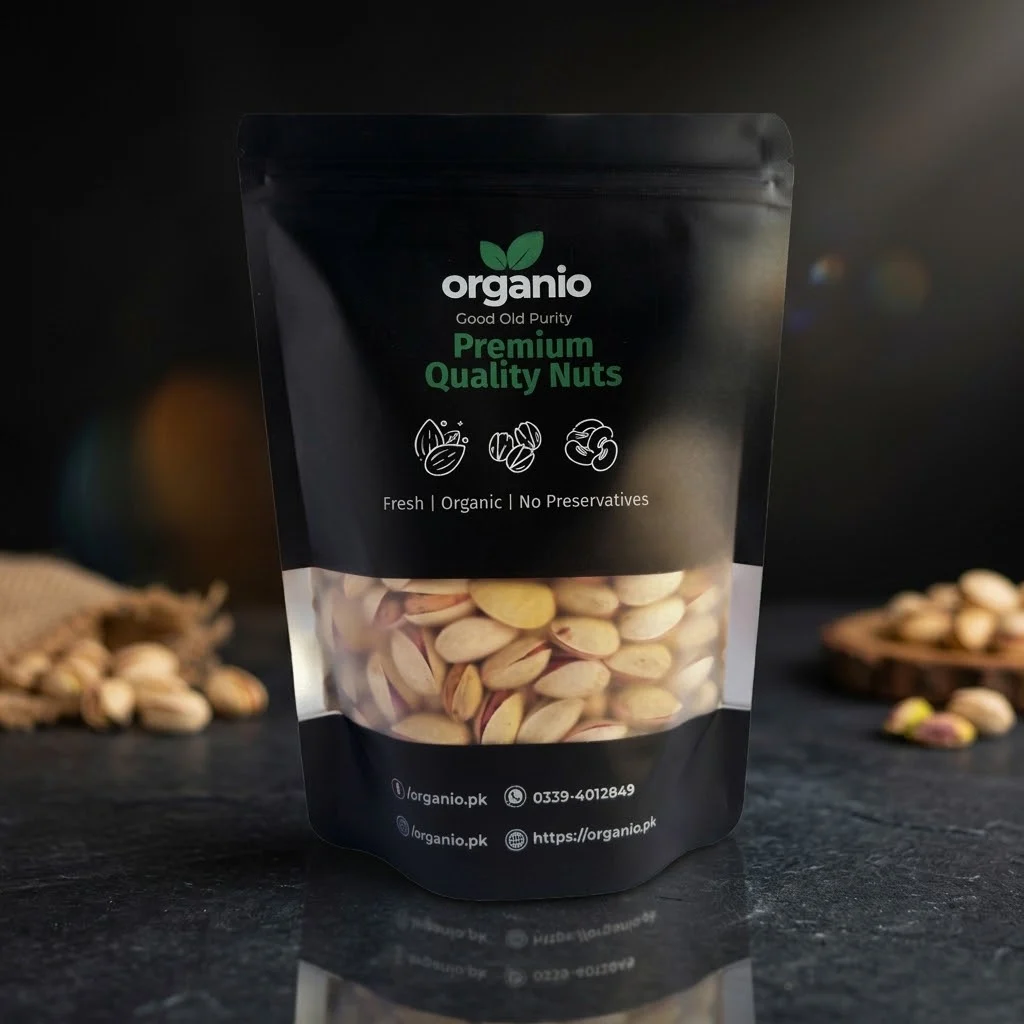
We think the simplest rule is the best one: buy fresh, buy what you will use, and store it properly. Our premium pistachios come in a resealable pouch, which helps once you open it, and you can browse the rest of our premium nuts and dry fruits if you are stocking up for winter.
Whatever brand you buy, trust your nose and your first bite over the date on the packet. Check a few nuts, seal the bag well, and keep it cool.
Frequently asked questions
How long do pistachios last once opened?
It depends on where you keep them. In a sealed container in a cool, dark cupboard, they are best finished within a few weeks. In the freezer, they can stay in good condition for a year or longer, according to UC Davis.
Do pistachios need to go in the fridge?
Not always. A cool cupboard works for short-term use. In hot weather, or if you buy in bulk, the fridge or freezer slows down rancidity and is the safer choice.
Is it safe to eat pistachios with a slightly stale taste?
If pistachios taste bitter, sour or like old oil, it is better to discard them. Never eat nuts that show mold or smell musty.
Why are some pistachio shells closed?
Some pistachios simply don’t split open as they mature. A closed shell does not mean the nut is bad, though you may need to pry it open with another shell. Judge the nut by smell, texture and taste.
Should I buy shelled or in-shell pistachios?
In-shell nuts are protected a little by the shell and slow you down when snacking. Shelled kernels are convenient for cooking but are more exposed to air, so keep them sealed and use them sooner.