
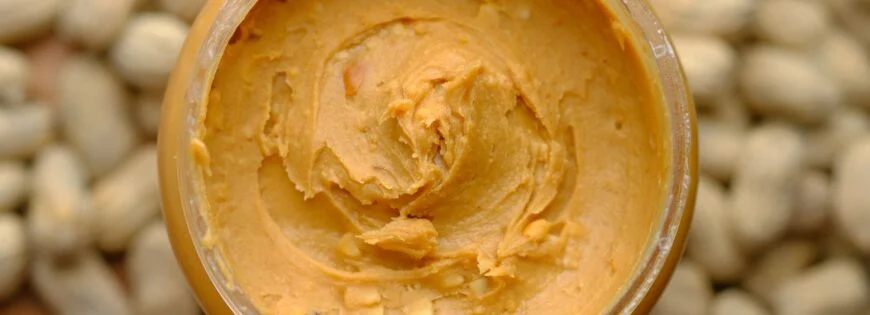
Buying natural peanut butter sounds easy until you are in front of a shelf, or scrolling an online store, and every label says pure, wholesome or premium. Here is how to check what is inside before you pay for it.
Natural peanut butter is best judged by its ingredient list. Look for peanuts first, and ideally only peanuts, with salt as an optional extra. Check for added sugar and added oils, expect some oil on top, and buy from a seller who tells you plainly what goes into the jar.
Why is choosing a good peanut butter so confusing?
The front of a jar is advertising. Words like “natural”, “farm fresh” or “healthy” can sit beside very different recipes, and they tell you little unless you turn the jar around.
The common problems are practical ones. One jar tastes like dessert because it has been sweetened. Another stays perfectly smooth for months because it contains a stabiliser. A third lists nothing clearly at all, which is often the case with loose or unlabelled spreads.
Plenty of added ingredients are ordinary food. You just need to know they are there, so the jar you take home is the one you meant to buy.
What ingredients should natural peanut butter have?
The short list is the one to look for: peanuts, usually roasted. Some people like a pinch of salt, and that is a matter of taste.
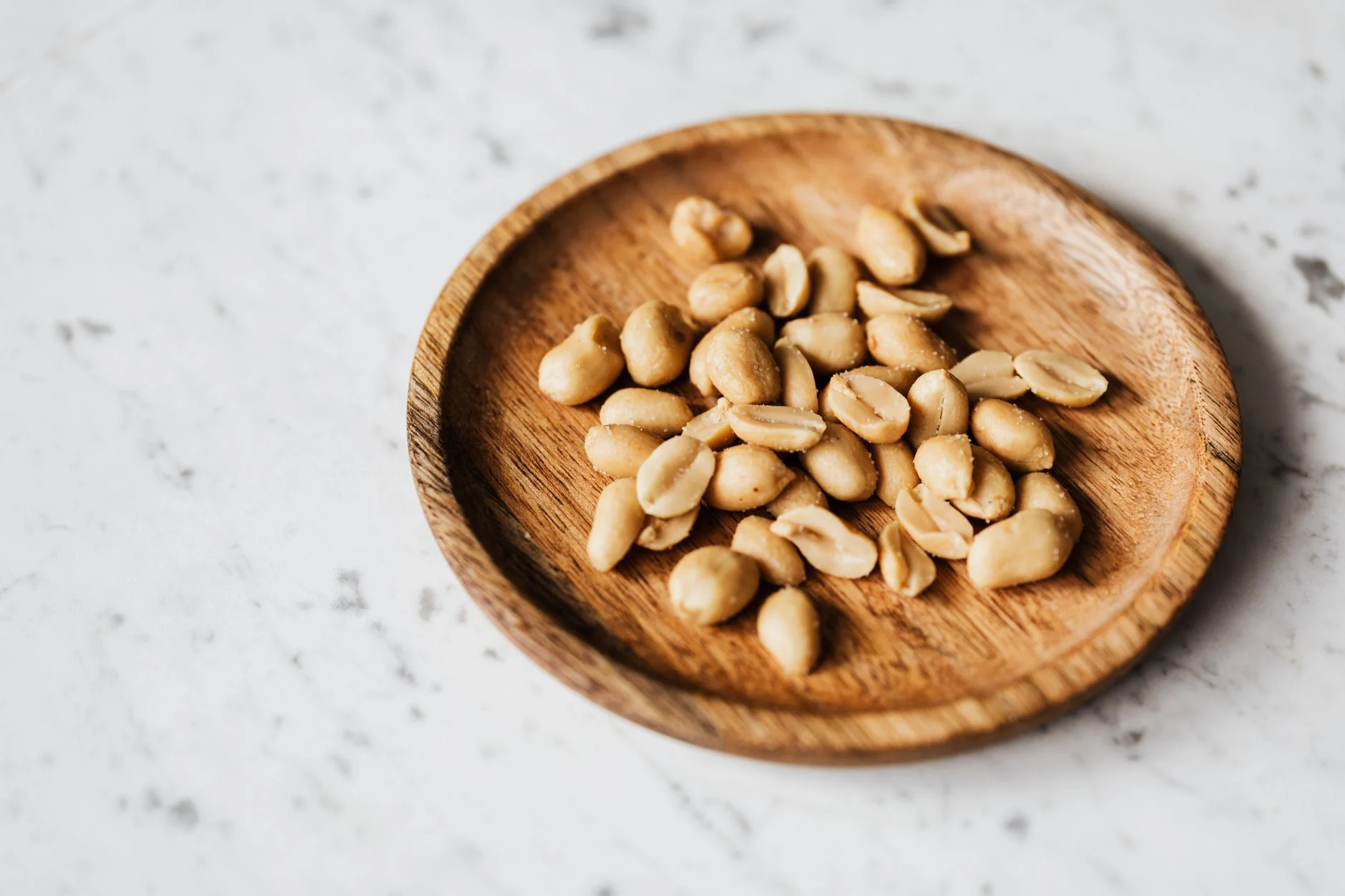
Ingredients are generally listed in order of weight, so the first item makes up the largest share. If sugar or oil appears near the top, peanuts are sharing the jar with a lot of something else.
Here is what the usual extras do:
- Sugar, glucose syrup, honey and jaggery add sweetness. Honey and jaggery still count as added sugars.
- Vegetable oil or palm oil changes the texture and can replace some of the peanut’s own oil.
- Hydrogenated oil keeps the spread from separating. Check the wording, because partially hydrogenated oils are a main source of industrially produced trans fat, which the World Health Organization advises avoiding.
- Emulsifiers and stabilisers hold the oil and solids together.
- Salt lifts the flavour and raises the sodium content.
For a benchmark, the US legal standard for peanut butter limits added seasonings and stabilisers to 10% of the product’s weight, and total fat to 55%. Rules differ between countries, so the ingredient list in your hand matters most.
How do you read the nutrition panel?
Start with the serving size, because brands do not always use the same one. Comparing per 100 g is the fairest way to put two jars side by side.
As a reference point, US Department of Agriculture data for smooth peanut butter shows that 2 tablespoons (32 g) provide about 188 calories, 7 g of protein and 16 g of fat, of which about 3 g is saturated. The same serving supplies magnesium and niacin. Most of the fat in peanuts is unsaturated.
Your jar’s numbers may differ with the recipe. Check these four lines:
- Sugars: peanuts contain a little natural sugar, so a small figure is normal. A much higher figure than other plain jars points to added sweetener.
- Sodium: unsalted jars will be far lower than salted ones.
- Saturated fat: compare jars, since added fats can raise it.
- Protein: more peanuts generally means more protein per 100 g.
Peanut butter is energy dense, so a spoon or two goes a long way. Our peanut butter vs almond butter comparison helps if you are deciding between the two.
Is oil on top of the jar a bad sign?
No. Peanuts are naturally rich in oil, and when they are ground without a stabiliser, that oil slowly rises to the top. It is normal.
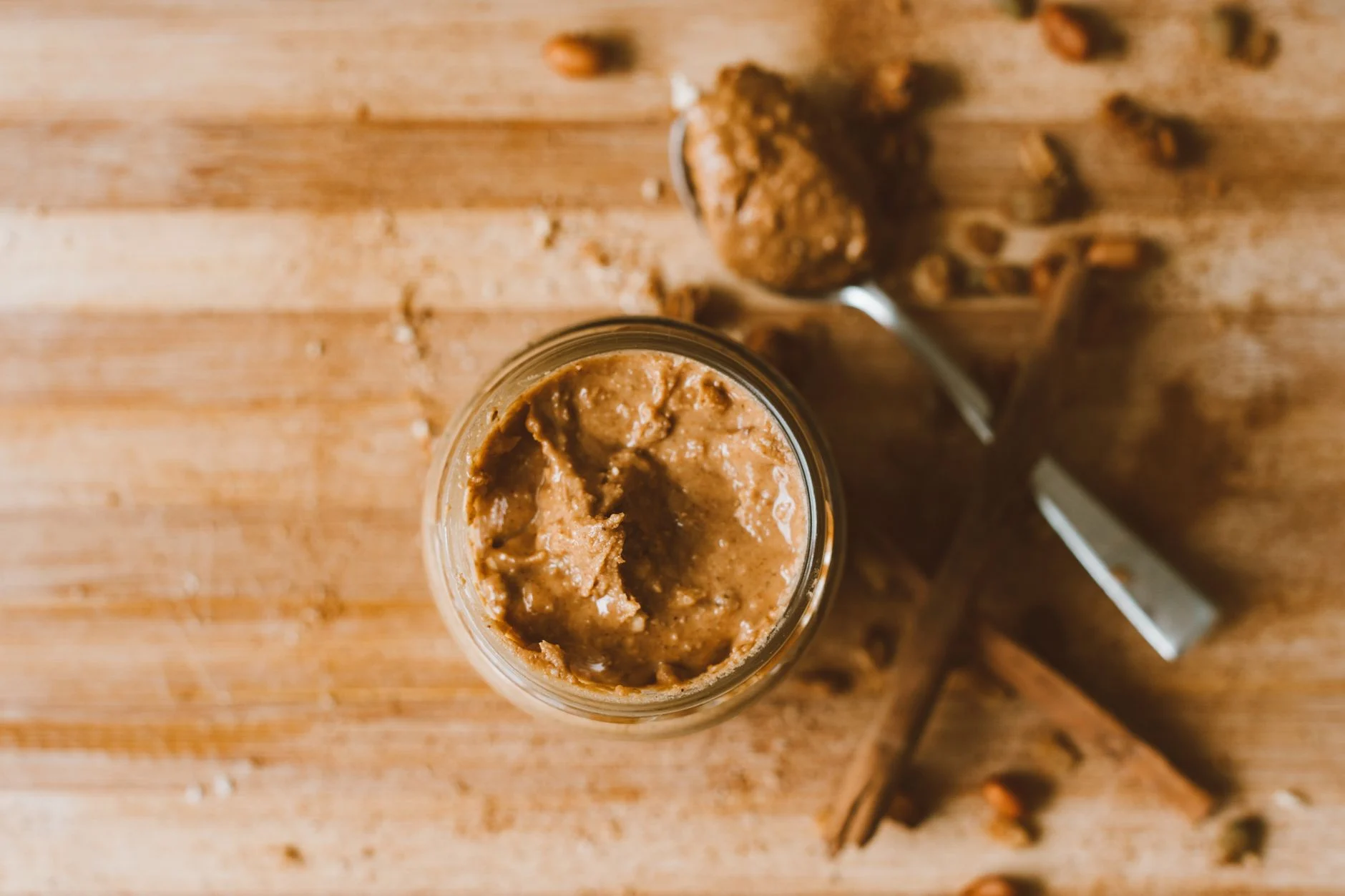
Stir it back in from the bottom with a clean, dry spoon or butter knife. Once mixed, keeping the jar in the fridge slows further separation, although the spread will be firmer. Our guide on why natural nut butter separates covers the easiest way to mix it without spilling.
Separation alone does not prove quality, though. Read the label as well.
What other checks matter before and after buying?
The label cannot tell you how the peanuts or the jar were handled. Poorly dried or badly stored peanuts can grow mould, and some moulds produce toxins that you cannot reliably judge by taste.
Before you buy, look for:
- a sealed, airtight jar with no leaks or damage
- a full ingredient list and net weight
- manufacturing and best-before dates
- a seller you can contact with questions
At home, close the lid tightly, keep the jar away from heat and sunlight, and never dip a wet spoon in it. If you see mould, or notice a stale, paint-like or sour smell, throw it away. Do not scrape off the top and carry on.
Making your own from whole peanuts? The World Health Organization advises discarding any nuts that look mouldy, discoloured or shrivelled.
How can you use it in a winter kitchen?
Plain peanut butter works in both sweet and savoury food, which is a good reason to buy it unsweetened and add flavour yourself.
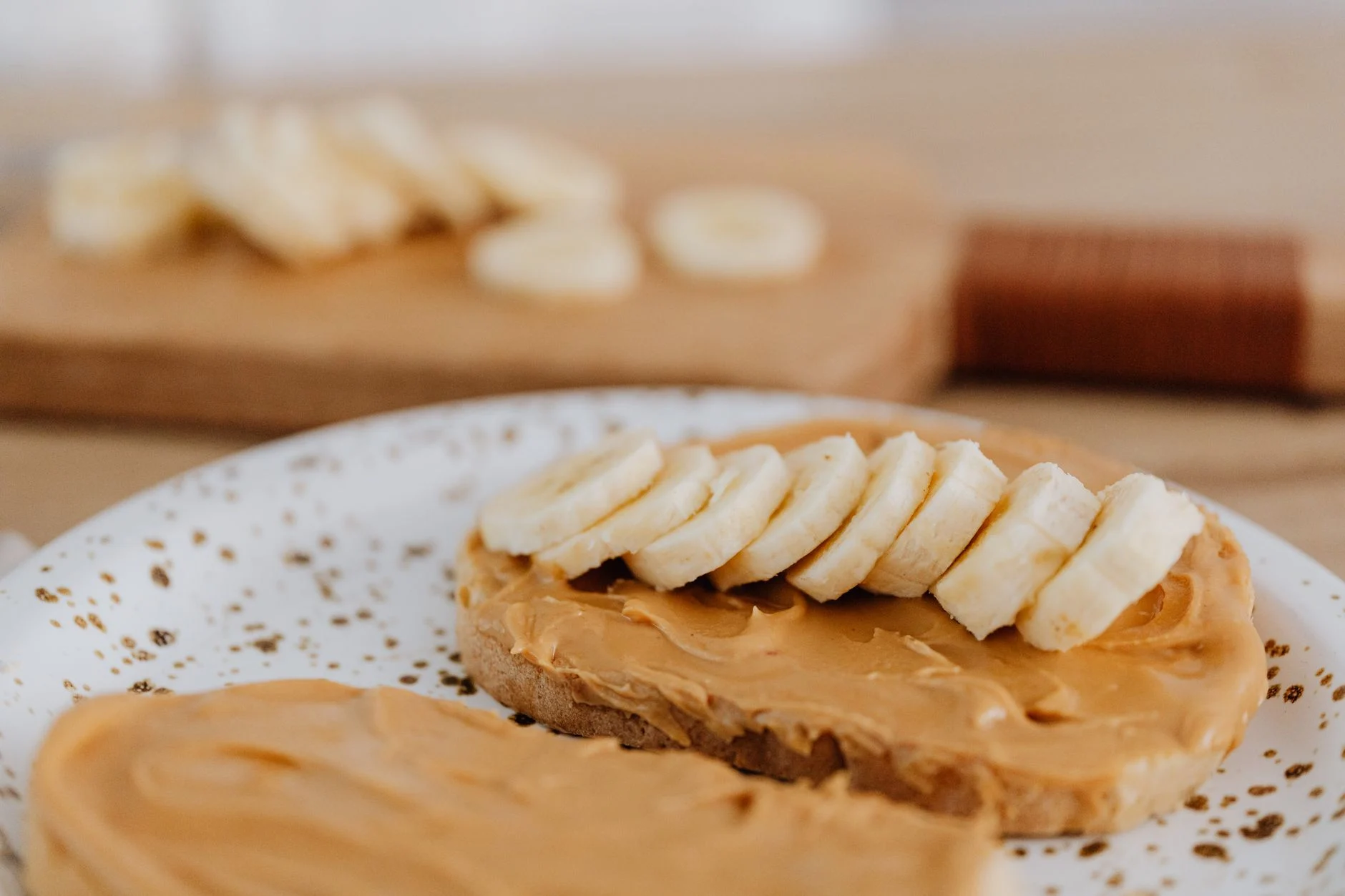
- Spread it on whole wheat toast and top with banana slices.
- Stir a spoonful into hot oats or daliya.
- Serve it as a dip with apple wedges.
- Whisk it with lemon, garlic, chilli and warm water for a noodle or salad dressing.
- Mix it with oats and chopped dates, then roll into small bites.
Peanuts are a common allergen. Ask before serving it to guests, and check school rules before packing it in a lunch box.
What is Organio’s view?
At Organio, we think a buyer should be able to answer three questions quickly: what is in the jar, how much of it is peanut, and how it should be stored.
Hold every brand to that test, including ours. You can read the details on the Organio peanut butter page, or compare it with our other spreads in the nut butter range. If anything is unclear, ask before you order.
Taste matters too. Some households prefer salted and some plain, some like it runny and others thick. Once you can read the label, picking the jar that suits your breakfast gets much simpler.
Frequently asked questions
Does natural peanut butter need to be refrigerated?
Follow the instructions on your jar. Refrigeration slows oil separation and helps keep the flavour fresh, especially in warm weather. In cooler months a tightly closed jar is often kept in a cupboard, but a fridge is the safer choice if you use it slowly.
Is crunchy or smooth peanut butter better?
It mostly comes down to texture. Crunchy versions contain peanut pieces, while smooth ones are ground more finely. If the ingredient lists match, their nutrition is usually similar, so compare the panels and choose the one you enjoy.
Why does my peanut butter taste bitter?
Dark roasting can give a bitter edge. A sharp, stale or paint-like taste suggests the oils have turned rancid. If the flavour has changed since you opened the jar, or you see any mould, do not eat it.
Can you make peanut butter at home?
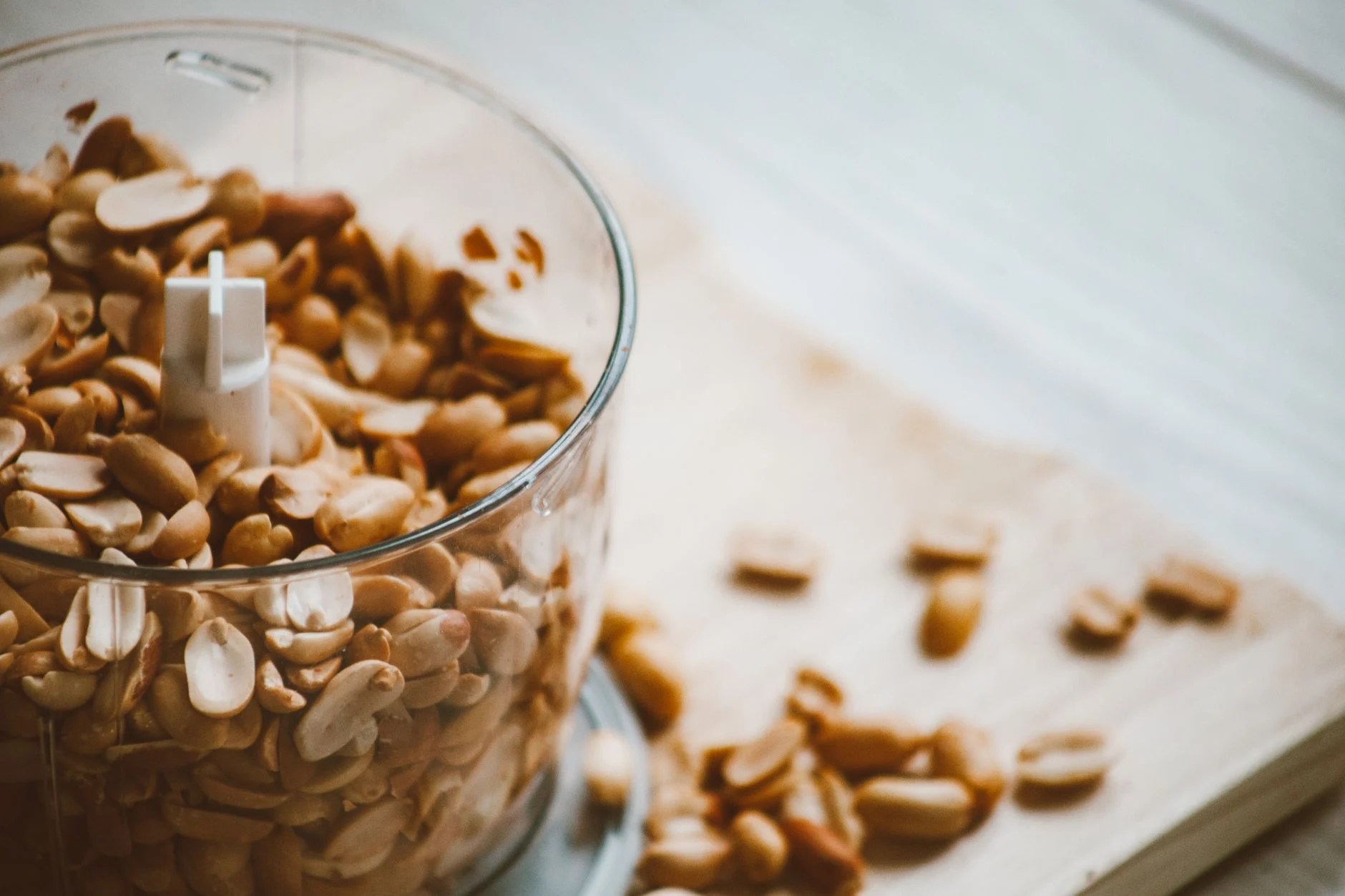
Yes. Grind fresh roasted peanuts in a strong food processor, stopping to scrape the sides. The mixture turns from crumbs to a thick paste and then becomes creamy. Make small batches and store them in a clean, dry, airtight jar in the fridge.