
If you want to store cold pressed oils well, start with where the bottle sits. Many of us keep oil right beside the stove because it is handy. Weeks later it smells flat or stale, and it is hard to say when that started.
Quick answer: Keep cold pressed oil tightly capped, away from sunlight and the stove, in a cool, dark cupboard. Pour with clean, dry utensils and buy a size you can finish within a few months of opening. Nut oils can go in the fridge if your kitchen runs hot.
Why do cold pressed oils go stale?
Oil slowly reacts with oxygen. After enough of this oxidation it turns rancid, with an off smell and a harsh or dull taste.
Three things speed it up:
- Air: fresh oxygen gets in whenever the cap is off. A half-empty bottle also holds more air than a full one.
- Light: direct sun and bright indoor lights both wear oil down.
- Heat: a shelf above the stove or beside the oven warms up every time you cook.
Cold pressed oils are pressed without high heat and are usually less processed than refined oils. People often buy them for their natural aroma and flavour, and poor storage spoils both. We explain the difference in cold pressed oil vs refined oil.
Where should you store cold pressed oils at home?
Pick a closed cupboard or pantry that stays cool through the day. The International Olive Council advises storing olive oil at about 13 to 25 °C, away from light and with the container sealed. The same habits suit other pressed oils. Many Pakistani kitchens get hotter than that in summer, so choose the coolest spot you have.
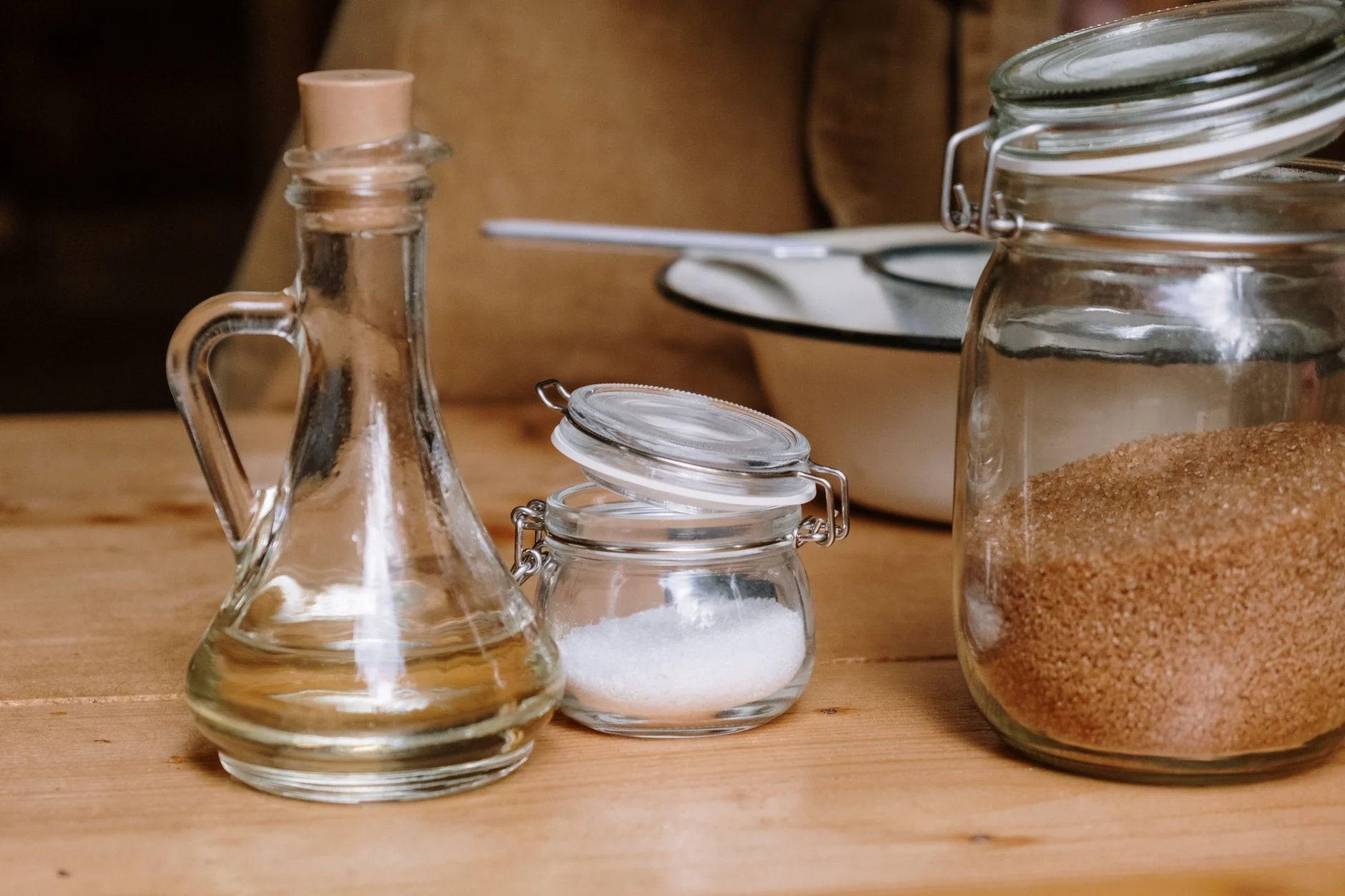
Common trouble spots include:
- the counter next to the burners
- the window sill
- the top of the fridge, which gives off warmth
- a cabinet right above the oven or near a geyser pipe
A low cupboard on an inside wall is usually a better choice. If you like having oil within reach while cooking, fill a small bottle with a week’s worth and leave the main bottle in the cupboard. Wash the small bottle and let it dry fully before you refill it. Topping up old oil with new only mixes the two.
Which container is best for keeping oil fresh?
Dark glass and food-grade tins block light better than clear bottles. A clear bottle is much better off inside a closed cupboard than out on a shelf.
- Close the cap right after pouring.
- Skip open pour spouts that leave the neck exposed.
- Keep water out. Use a dry spoon and never dip a wet one into a jar.
- Wipe the neck so old oil does not build up and turn sticky.
- Write the opening date on a small label.
With the date on the bottle, you never have to guess how long it has been open. Oil also picks up smells, so keep it away from detergents, paint and smoke.
Should you keep cold pressed oil in the fridge?
It depends on the oil. Cold slows oxidation, and it also makes some oils turn cloudy, thick or solid.
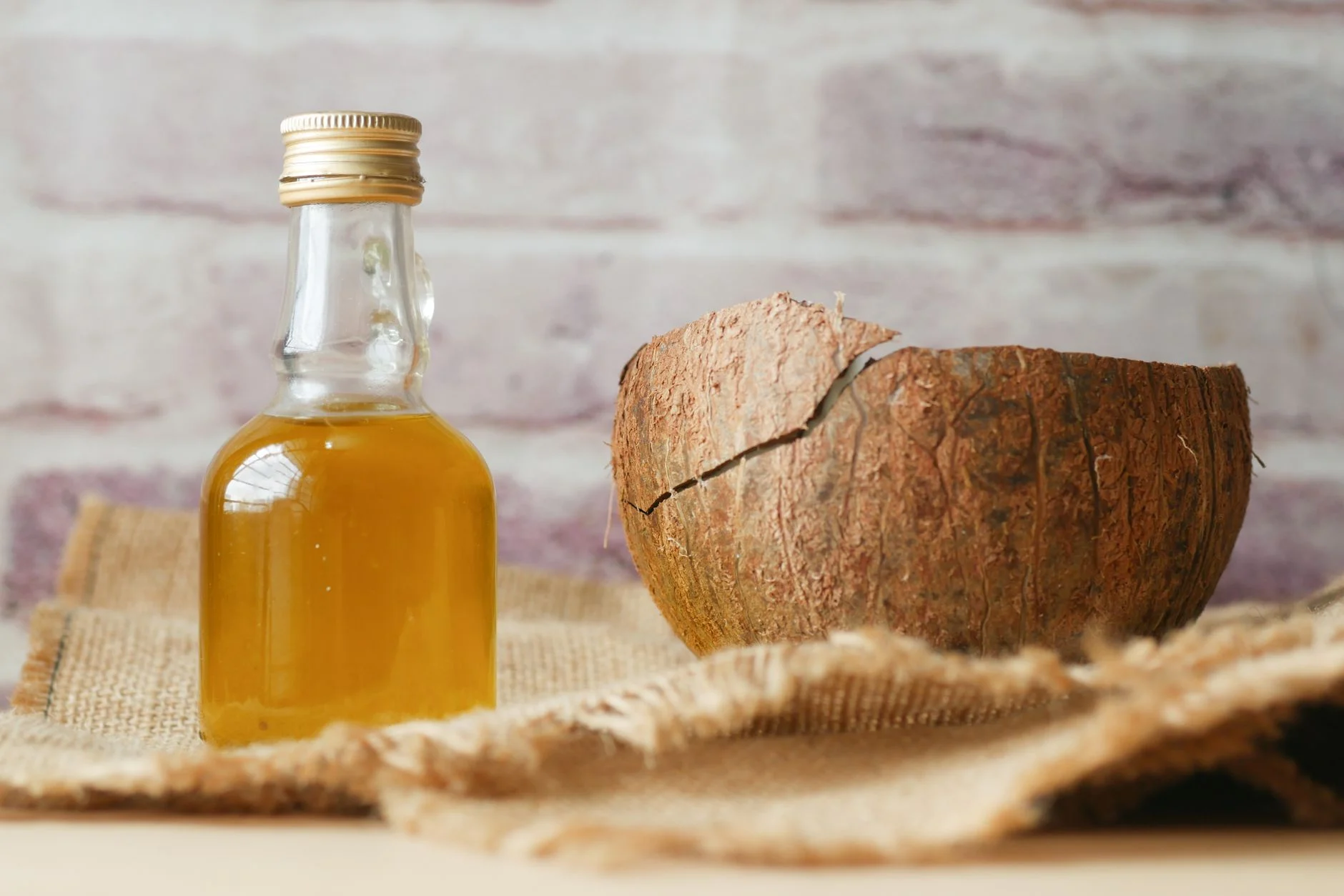
Olive oil does well in the cupboard for everyday use. The trade site About Olive Oil advises against routine refrigeration, since repeated chilling and warming does not reliably help. Cloudiness from cold usually clears once the bottle returns to room temperature.
Nut and seed oils are more delicate. America’s Test Kitchen suggests refrigerating oils such as walnut and sesame. During a Pakistani summer, the same can make sense for almond oil, as long as the label allows it. Let it come back toward room temperature before you use it, and close it tightly so moisture does not collect inside.
Coconut oil does not need the fridge. It sets solid in cool weather and melts again when the room warms up, and that change is normal. Our guide on why cold pressed coconut oil turns solid in winter shows how to soften it safely.
How long does cold pressed oil last after opening?
Always start with the date on your label. Shelf life varies with the oil, how fresh it was when you bought it and how you keep it.
As a rough guide, the International Olive Council suggests using opened olive oil within one to three months. America’s Test Kitchen gives refrigerated nut and seed oils about six months. Sealed bottles keep longer, though they still age.
Bottle size matters here. A large bottle may look like better value, yet if your household uses a spoon or two a week, much of it will sit open for a long time. Two smaller bottles, opened one at a time, are easier to finish while the oil still smells right. Use the older bottle first.
How can you tell if oil has turned rancid?
Use your nose first. Pour a little into a small clean glass, warm it in your hand and smell it.
- A smell like old crayons, putty or paint is a warning sign.
- A stale, sour or musty smell also points to oil past its best.
- A greasy, flat or unpleasantly harsh taste is another clue.
- A thick, sticky feel around the cap shows oil has been sitting exposed.
Colour is not a dependable test, because pressed oils naturally differ in shade. Cloudiness or solidifying in cold weather does not mean spoilage either. If the smell is clearly off, stop using it for food. Cooking will not bring the flavour back.
How does a simple storage routine look?
You need a cupboard, a pen and a few labels.
- When a new bottle arrives, check the date and put it in your cool cupboard.
- Open one bottle of each type at a time and label it.
- Pour what you need, wipe the neck and cap it straight away.
- In peak summer, review where your oils sit and move nut oils somewhere cooler.
- Once a month, smell any bottle you have not used lately.
In winter, when oil often travels from the kitchen to the bedroom for massage, give each bottle a fixed place to return to. Keep a separate bottle for hair or skin use, so fingers never touch the oil you eat.
How does Organio think about oil storage?
We think good oil deserves a little care once it reaches your home. Buy the amount you will actually use. Follow the label, and if a bottle smells wrong before its date, believe your nose.
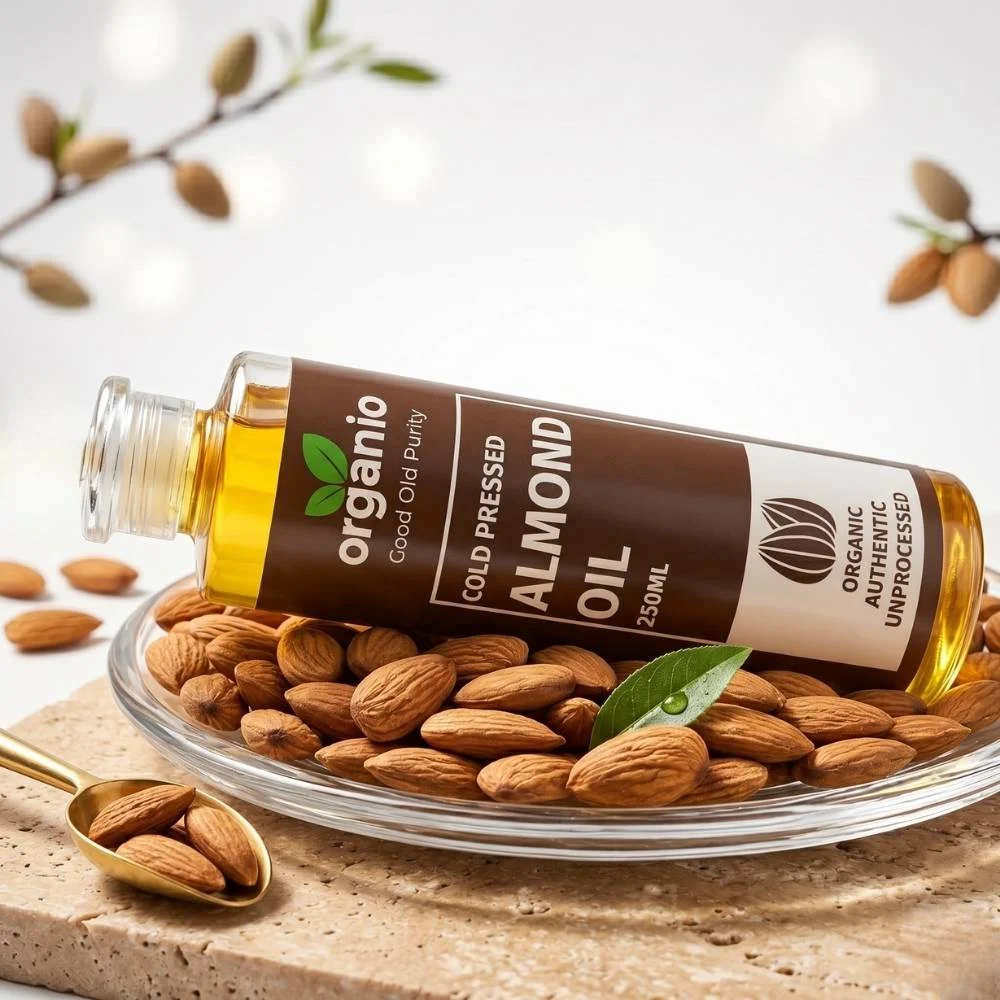
If you cook with olive oil often, you can see our organic olive oil and choose what suits your kitchen. The same habits apply to any bottle, whether it comes from us or another shop.
Frequently asked questions
Can I store cold pressed oil in a plastic bottle?
A food-grade bottle is fine for short periods. Dark glass or a suitable tin is the better pick for longer storage. Do not reuse old water or soft drink bottles, which are hard to clean and let light through.
Can I mix a new bottle of oil with an old one?
It is better not to. Older oil has had more contact with air, and mixing makes it hard to track freshness. Finish the old bottle, clean and dry the container, then refill.
Is cloudy oil spoiled?
Not necessarily. Many oils turn cloudy when cold and clear again at room temperature. Some unfiltered oils also carry fine sediment. Smell and taste tell you more than appearance does.
Does an unopened bottle expire?
Yes, eventually. Sealed oil keeps longer than opened oil, but it still ages. Check the label date and store unopened bottles in the same cool, dark place.