
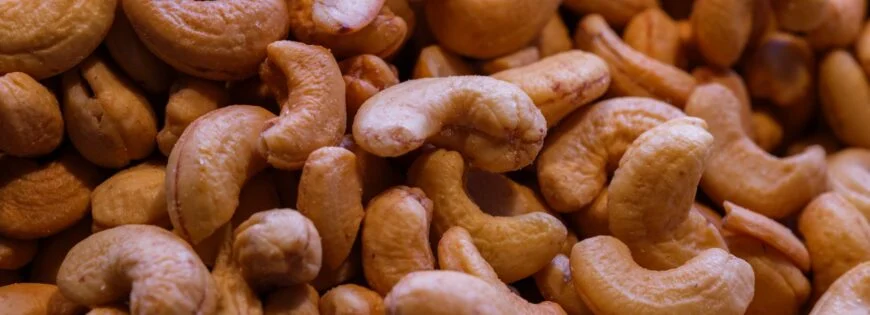
Winter is when a warm bowl of nuts disappears fastest. When you roast nuts at home, you choose the colour, the salt and the batch size. The catch is that they can go from pale to burnt while you are busy answering the door.
The short answer: heat the oven to 175°C (350°F), spread one kind of nut in a single layer, and roast for about 7 to 15 minutes, stirring halfway. Take them out when they smell toasty and look one shade darker. Cool them fully before you eat or store them.
Why do home-roasted nuts burn so easily?
Nuts are small, dry and rich in oil, so the gap between done and scorched is short. They also keep cooking after you take them off the heat. If you wait until they look perfect in the oven, they will usually be darker than you wanted by the time they cool.
Most failed batches come down to a few habits:
- Mixing different nuts on one tray, although each needs its own time
- Piling them up, so the top stays pale while the bottom browns
- Using high heat to save a few minutes
- Leaving them on the hot tray after roasting
- Trusting the timer more than your nose and eyes
The fix is gentle, even heat and an early first check.
What do you need before you start?
You need raw, shelled nuts, a flat baking tray with a rim, and a plate for cooling. Baking paper is optional, but it makes cleanup easier and lets you lift the nuts off the tray in one go.
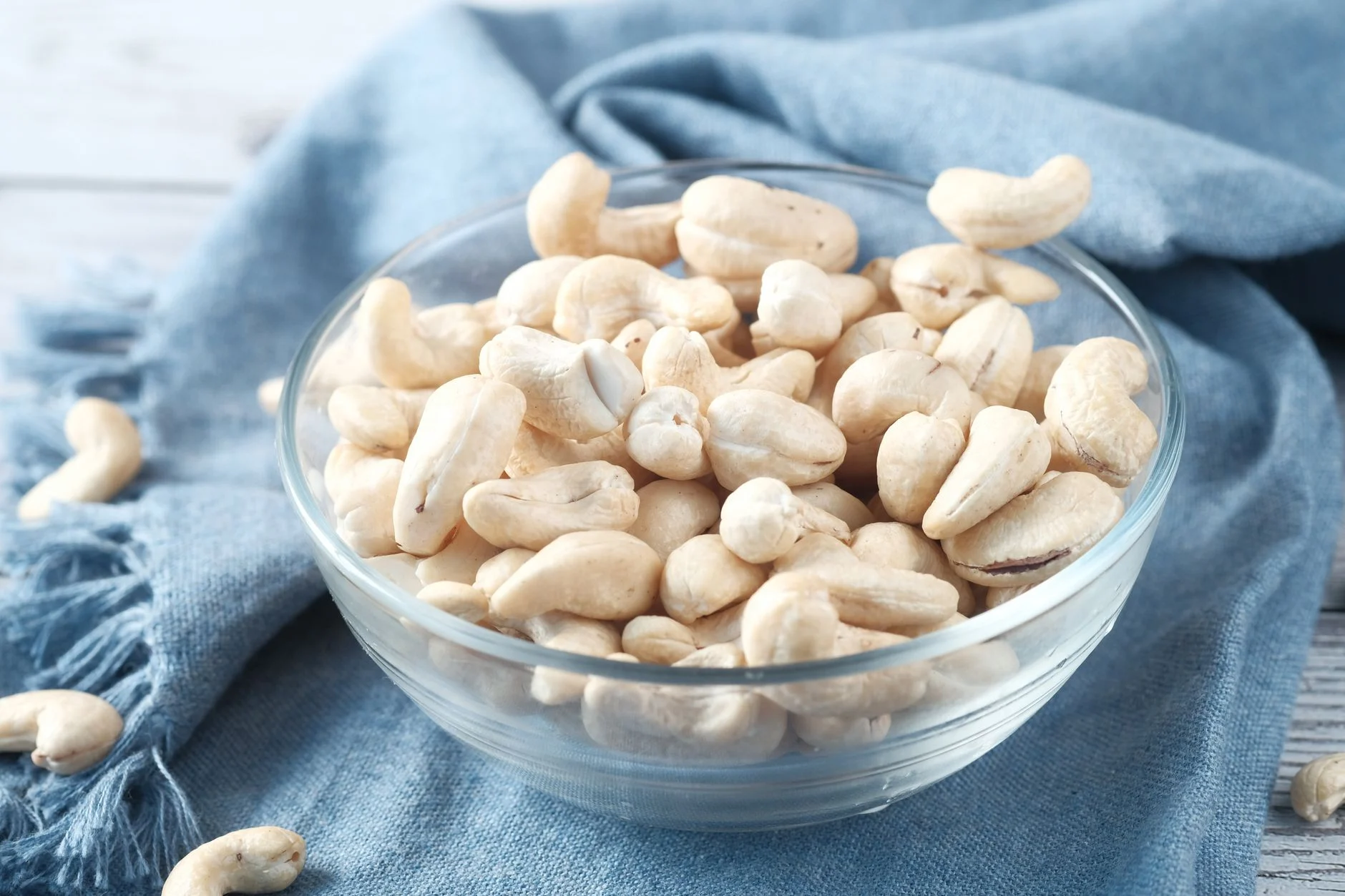
Start with plain, unroasted nuts such as our unroasted cashews or shelled Irani almonds. Roasting nuts that are already roasted tends to make them dark and bitter.
Taste one before you begin. A nut that is bitter, sour or smells like old oil will not improve in the oven, so leave that pack out. If you have washed or soaked the nuts, dry them thoroughly first, because damp nuts steam and take longer to turn crisp.
Oil is optional. Nuts toast well completely dry. A small spoon of oil mainly helps salt and spices cling to the surface.
How do you roast nuts at home in the oven?
The oven is the easiest method for even colour, especially for larger batches. Preheat it fully to 175°C (350°F). If you use the fan setting, try about 20 degrees lower and check sooner.
- Spread one type of nut on the tray in a single layer.
- Place the tray on the middle shelf.
- Stir or shake the nuts halfway through.
- Start checking a few minutes before the shortest time listed below.
- Move the nuts to a cool plate as soon as they are ready.
Use these times as a starting range:
- Whole almonds: 8 to 15 minutes
- Cashews: 8 to 12 minutes
- Walnut halves: 7 to 10 minutes
- Shelled pistachios: 6 to 10 minutes
Ovens differ, and so do nut sizes, so treat the first batch as a test. Write down the time that gave you the colour you liked. Broken pieces and slivers cook faster than whole nuts and need closer watching.
To check doneness, pull out one nut, let it cool for a minute and bite it. Hot nuts feel soft and become crunchier as they cool. For almonds and cashews, cut one in half: the inside should have turned from white to a light cream or golden shade.
Can you roast nuts in a pan without an oven?
Yes. A heavy, dry frying pan or karahi works well for a small quantity. Put it on medium-low to medium heat, add the nuts in one layer and keep them moving with a wooden spoon.
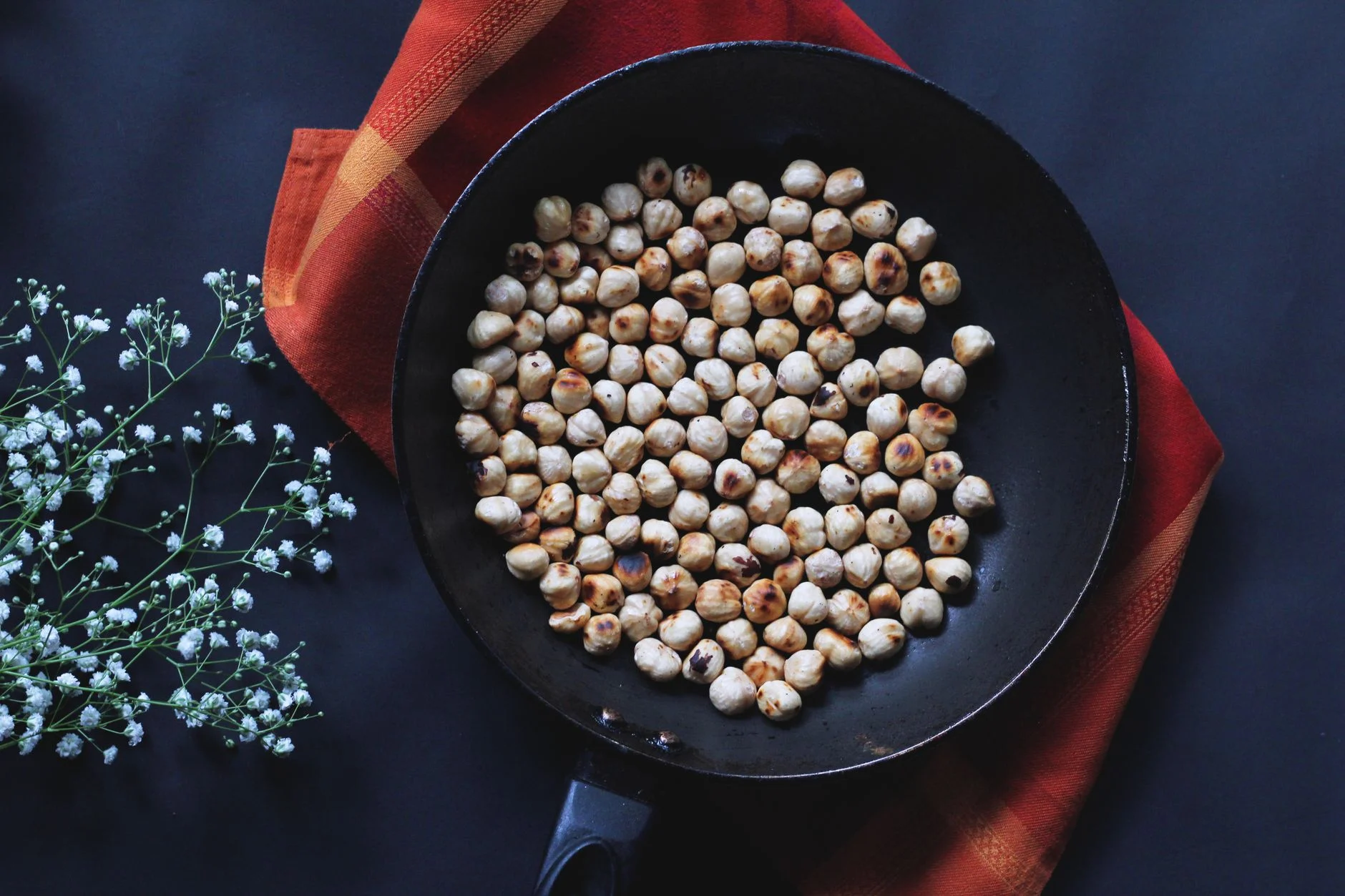
Walnuts and almonds usually take around 4 to 5 minutes over medium heat, but your stove and pan will change that. Lower the flame if dark spots appear while the nuts still taste raw inside.
Stay at the stove the whole time. Once the nuts smell fragrant and show golden patches, tip them straight onto a plate. Leaving them in the pan with the flame off will still darken them.
Pan roasting colours the surface less evenly than the oven. That is fine for a salad topping or a quick snack. For a gift box or a big jar, use the oven.
How do you season roasted nuts?
Season while the nuts are still warm so the flavour sticks. For a simple salted batch, toss them with a few drops of oil and a pinch of fine salt. Add less than you think you need, taste, then adjust.
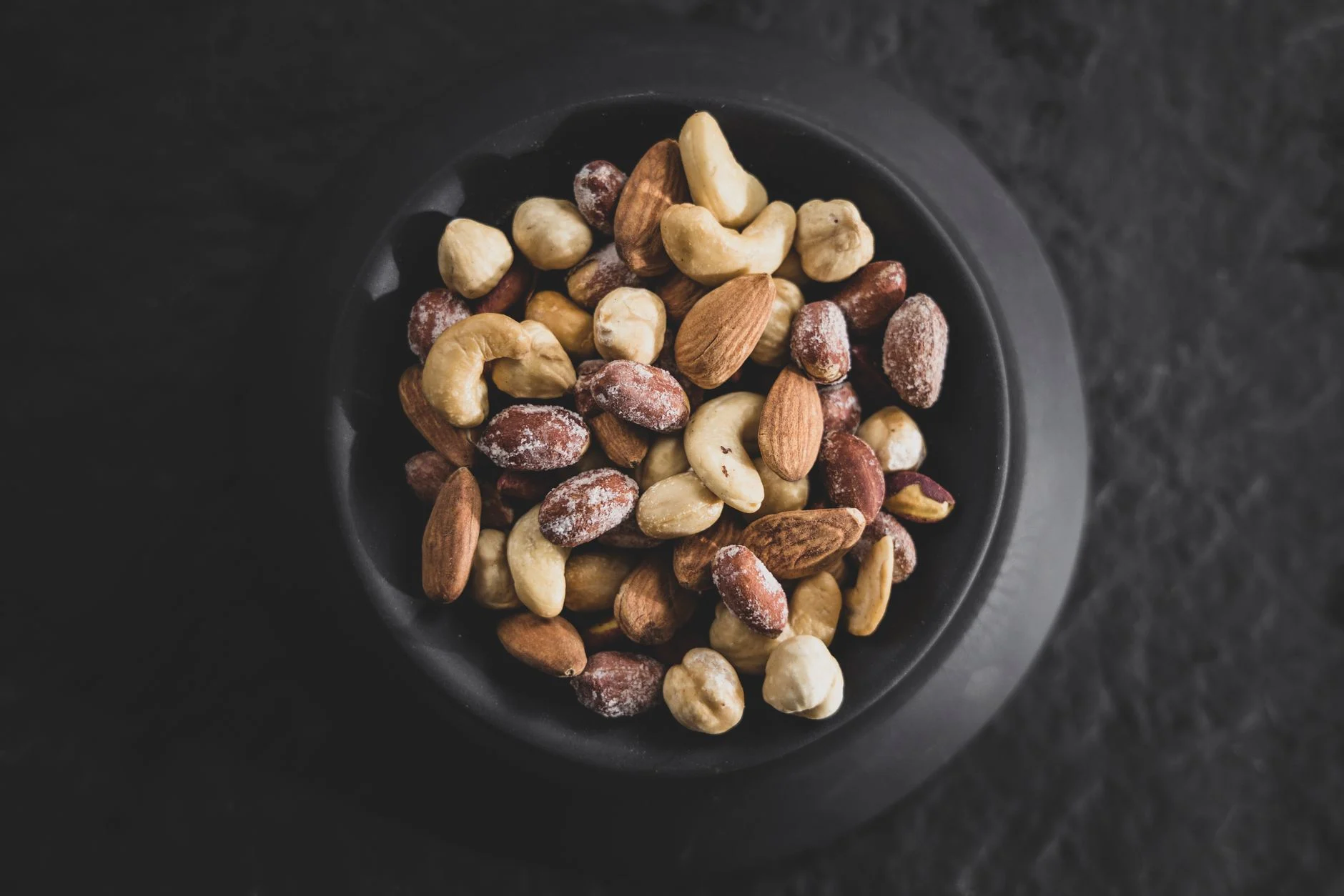
A few easy combinations suit Pakistani kitchens:
- Cashews with black pepper and a pinch of black salt
- Almonds with roasted cumin and red chilli powder
- Pistachios with a squeeze of lemon and fine salt
- Walnuts with cinnamon and a light drizzle of honey
Add ground spices after roasting or in the last couple of minutes, since they scorch quickly. Honey and sugar burn easily too. If you coat nuts in either, use baking paper, lower the heat slightly and separate them while they cool. Eat sweet coated nuts within a few days, as they can turn sticky.
Are roasted nuts still nutritious?
Roasted nuts still provide protein, unsaturated fats and minerals. According to USDA data, 100 grams of dry-roasted almonds without salt contain about 21 grams of protein, 279 milligrams of magnesium and about 24 milligrams of vitamin E. A normal serving is much smaller than 100 grams.
Walnuts also contain ALA, a plant omega-3 fatty acid. Gentle roasting and a moderate colour are sensible choices, since very dark nuts taste harsh. Salt, sugar and added oil change the nutrition of the final snack, so keep the coating light if you eat them often.
How should you store roasted nuts?
Let the nuts cool completely, then seal them in a clean, dry, airtight jar. Warm nuts release moisture inside a closed container and lose their crunch.
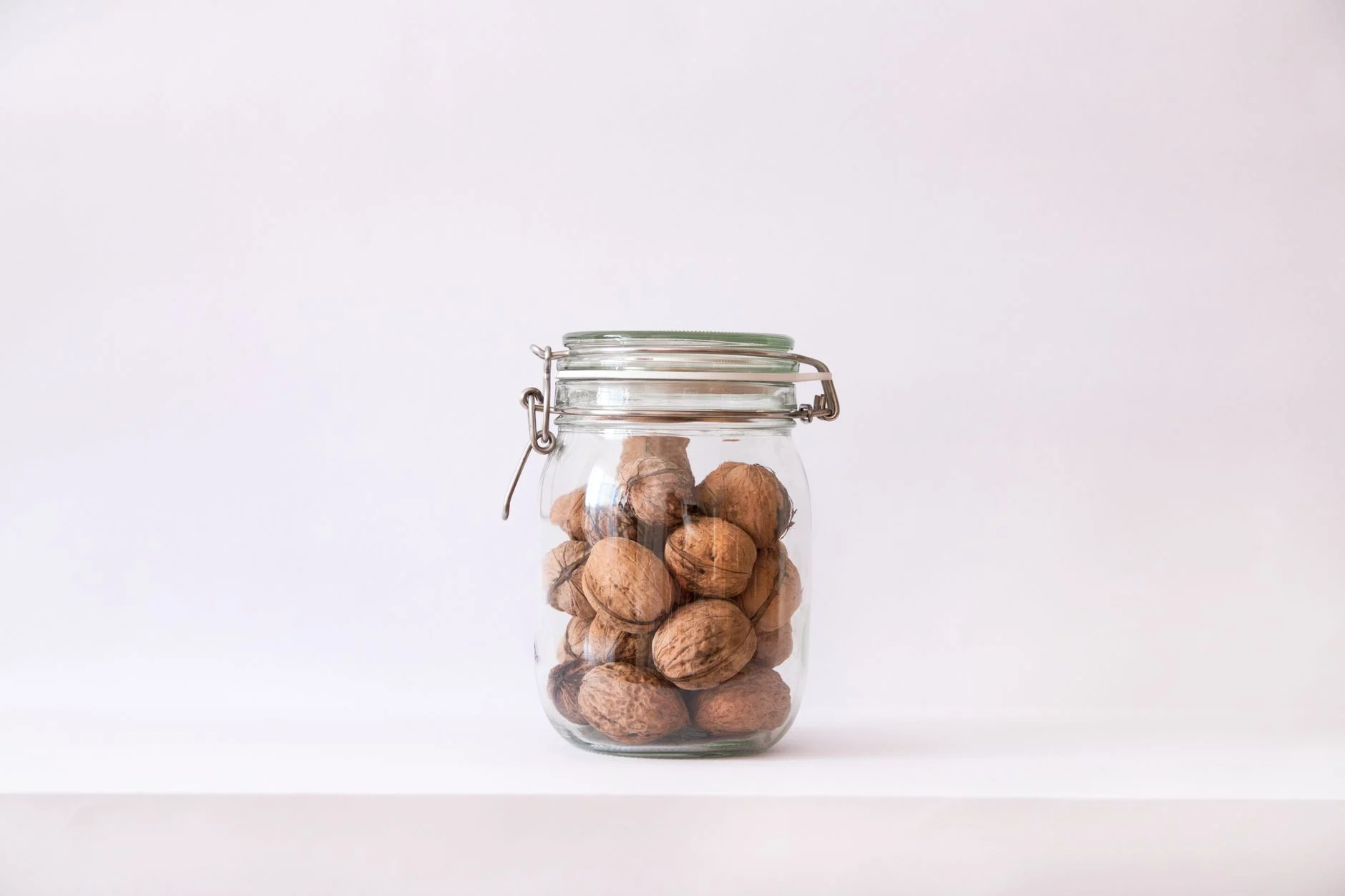
Keep a week’s supply in a cool cupboard away from sunlight and the stove. Put anything extra in the fridge for up to a month, or freeze it for longer storage. Throw out nuts that smell stale or paint-like, or show any mould.
Small batches are the easiest way to keep them tasting fresh. Our guide on how to store nuts and dry fruits covers containers and storage spots in more detail.
What is Organio’s take?
We think home roasting is worth learning because it puts the decisions in your hands. One family likes pale, mild cashews and another wants a deep, smoky almond with chilli. A 15-minute tray lets you have either.
Our suggestion is to buy raw nuts, roast only what you will finish in a week and keep the rest sealed and cold. If you would rather skip the oven, we also sell roasted cashews. Try one small tray this weekend, note the time, and your next batch will be much easier.
Frequently asked questions
Should I soak nuts before roasting them?
You do not need to. Soaking changes the texture and adds drying time. If you soak them, pat them dry and let them air-dry well before roasting, then expect a longer time in the oven and check often.
Can I roast different nuts together?
It is better to roast them separately or on different parts of the tray, so you can remove each kind when it is ready. Mix them after they cool.
Why are my roasted nuts soft?
They may still be warm, so give them time to cool. If they stay soft, they may be underdone or have picked up moisture. Return them to the oven for a few minutes, cool them fully and seal the jar only then.
Do I need oil to roast nuts?
No. Dry roasting works for almonds, cashews, walnuts and pistachios. Use a little oil only if you want seasoning to stick more easily.
Can I use an air fryer?
Yes. Use a lower temperature, around 150°C to 160°C, in a small single layer. Shake the basket every few minutes and check early, because air fryers vary widely and light nut pieces can brown quickly.